
Using 3-D mathematical patterns to track childbirth contractions
By studying the electric activity that causes uterine contractions in pregnant women, researchers at Washington University in St. Louis and their collaborators have developed a multiscale model they believe may aid in predicting preterm birth.
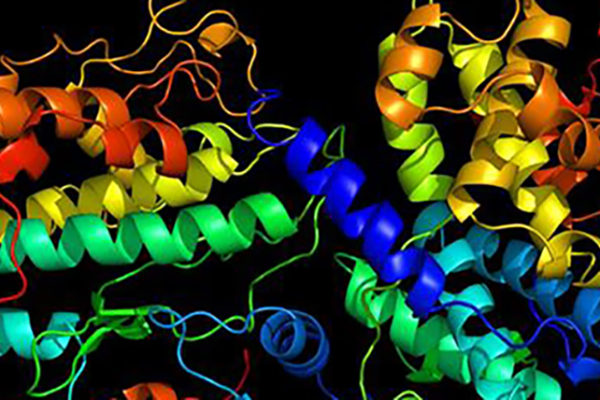
How to stop dividing cancer cells in their tracks
Researchers from Washington University in St. Louis and St. Jude Children’s Research Hospital in Memphis made a discovery that uncovers the molecular logic of how dividing cells are stopped in their tracks. The team zeroed in on a specific protein, whose job is to stop a cell from dividing or to slow the division.

Dudukovic receives Neal Amundson Award
Milorad (Mike) Dudukovic, of the School of Engineering & Applied Science at Washington University in St. Louis, has received the prestigious Neal R. Amundson Award for Excellence in Chemical Reaction Engineering from the International Symposia on Chemical Reaction Engineering.
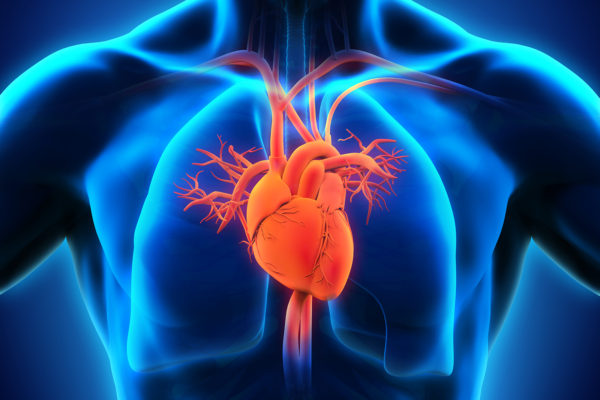
Research suggests new contributor to heart disease
Medical professionals have long known that the buildup of plaque in arteries can cause them to narrow and harden, potentially leading to a whole host of health problems — including heart attack, heart disease and stroke. While high blood pressure and artery stiffness are often associated with plaque buildup, new research from engineers at Washington University in St. Louis shows they are not the direct causes. Their findings suggest a new culprit: elastic fibers in the arterial wall.

Using nighttime air chemistry to track ozone impact
St. Louis’ hazy summers can sometimes be too hot to handle for people with respiratory issues; increased ozone levels can make the air tough to breathe. A team of engineers at Washington University collaborated on a study of St. Louis’ late-summer air quality. They found that naturally occurring compounds processed in the night sky can have a big impact on ozone levels the next day.

WashU Expert: New crowdfunding rules expand entrepreneurial playing field
Today, new rules go into effect that allow anyone to invest in a startup and receive shares of that startup. Previously, the Securities and Exchange Commission required investors backing private companies to have a certain amount of net worth. A Washington University in St. Louis faculty member says the measures will expand the entrepreneurial playing field, to a point.
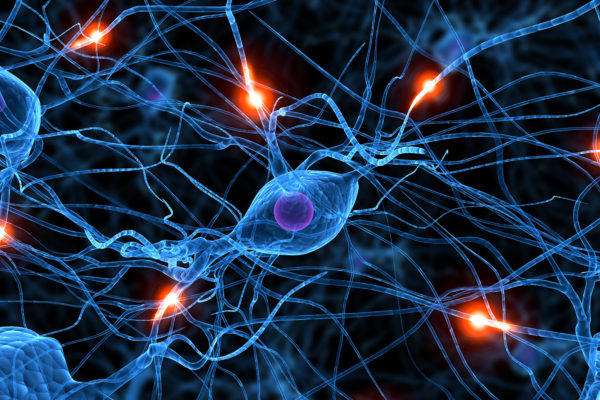
Huntington’s Disease target of $4.5 million in NIH grants
Rohit V. Pappu, the Edwin H. Murty Professor of Engineering in the School of Engineering & Applied Science at Washington University in St. Louis, has received two grants from the National Institutes of Health totaling more than $4.5 million to study the causes behind Huntington’s disease that may ultimately provide clues for a treatment or cure.

What studying hand-washing is teaching about compliance
In many workplaces, standard processes are the key to a successful operation, ensuring efficiency and safety. New research from Olin Business School at Washington University in St. Louis shows that motivating compliance with standard processes via electronic monitoring can be a highly effective approach, despite concerns about employee backlash. However, the research also highlights that managers cannot simply “monitor and forget.”

WashU Expert: The President’s plan to fight tax evasion
On May 6, President Barack Obama introduced executive reforms designed to eliminate loopholes that allow foreigners to conceal tax fraud and evasion in the United States. Olin Business School’s Lamar Pierce said the move is an effort to show U.S. global partners that it is ready to practice what it preaches when it comes to curbing shadowy financial transactions.
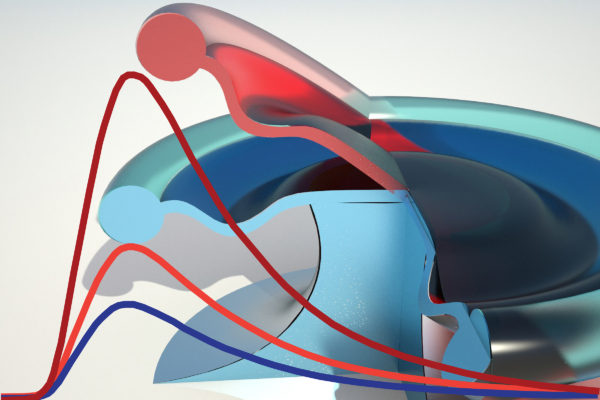
A new route to chaos
Researchers in the School of Engineering & Applied Science at Washington University in St. Louis have discovered a novel route to encode chaos on light in an optomechanical microresonator system.
View More Stories