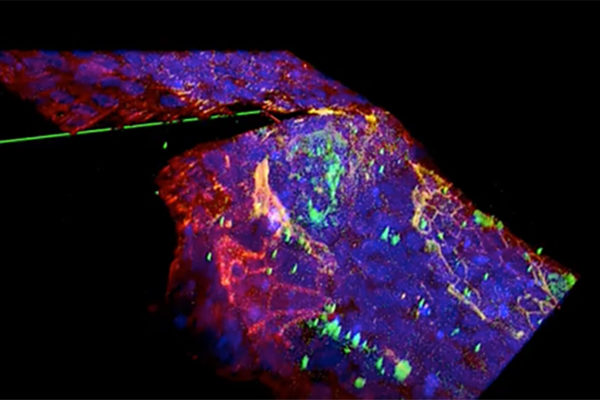
Defects in tissue trigger disease-like transformation of cells
Homeowners know that one little termite can lead to big problems: while termites are efficient at gnawing away at wood, they can do even more damage if the wood is already broken or has another defect. Mechanical engineers at Washington University in St. Louis have found the same effect in some of the body’s tissue.
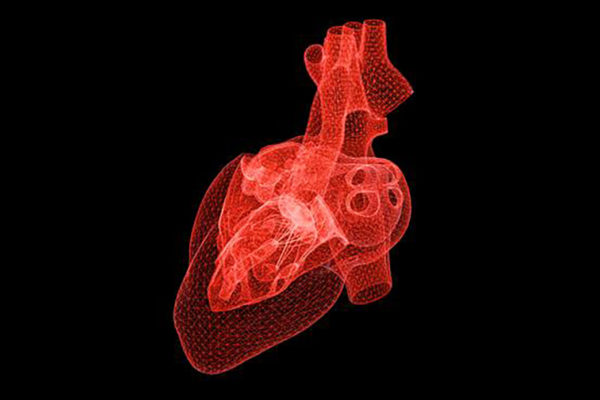
An ‘unprecedented look’ into the protein behind hypertension, epilepsy and other conditions
The seemingly unrelated conditions of hypertension, epilepsy and overactive bladder may be linked by electrical activity in a protein long studied by a biomedical engineer at Washington University in St. Louis. After new technology recently revealed the structure of the protein, his lab will collaborate with two others to take an unprecedented look into its molecular mechanisms, potentially leading to the development of new drugs for these and other conditions.
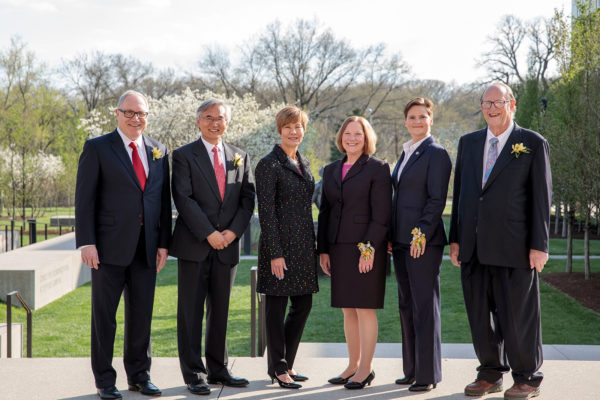
Six engineering alumni honored with achievement awards
Six alumni representing a wide range of careers in the field received Achievement Awards from the School of Engineering & Applied Science on April 26 at the Saint Louis Art Museum.
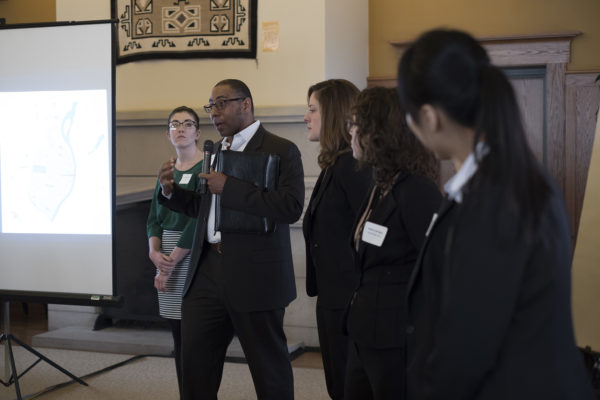
Taking aim at racial disparities in infant mortality
This spring, two teams comprised of multidisciplinary graduate students from the Brown School, Olin Business School and the School of Law took part in the first-ever Social Innovation Initiative, tackling the problem of infant mortality in St. Louis.
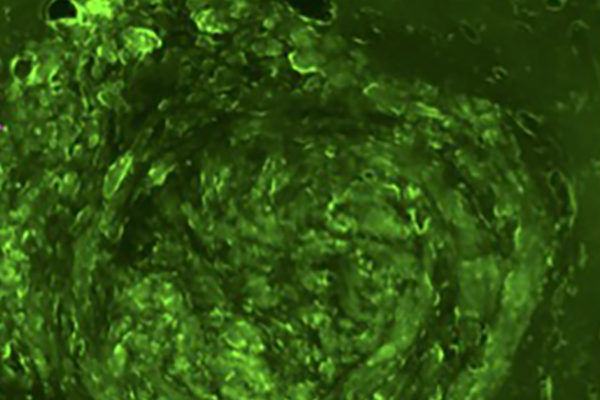
Noninvasive brain tumor biopsy on the horizon
Taking a biopsy of a brain tumor is a complicated and invasive surgical process, but a team of researchers at Washington University in St. Louis is developing a way that allows them to detect tumor biomarkers through a simple blood test.
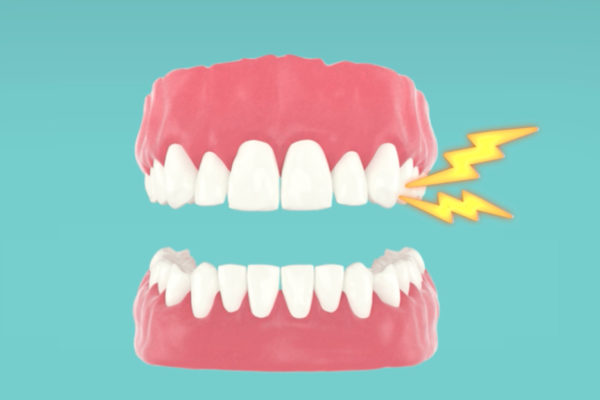
Using tooth sensors to detect disease
An interdisciplinary team of researchers from the School of Medicine and the School of Engineering & Applied Science is redefining the notion of a wisdom tooth. The team is developing technology that could someday be used to detect early signs of certain diseases in high-risk patients.
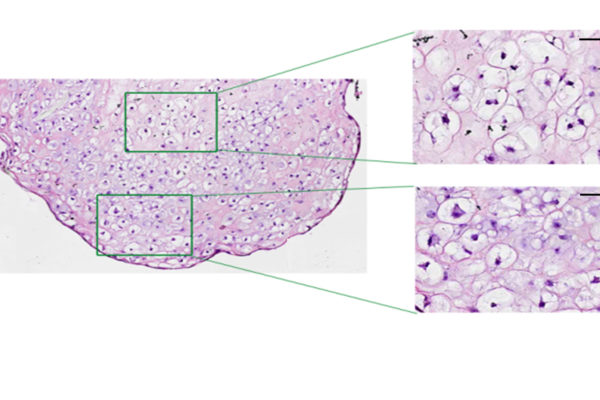
Back to the beginning
As scientists try to find therapy options to fight back and neck pain, considerable interest exists in harnessing stem cells to restore nucleus pulposus, the chief material in discs. Previous research shows human induced pluripotent stem cells (hiPSCs) can express markers for a wide variety of cells, including those that secrete NP. A collaborative team of scientists at Washington University has developed a new process to generate NP-like cells from hiPSCs.
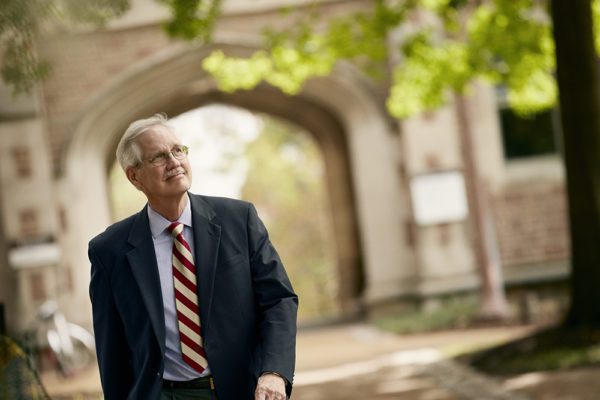
Transitions on Washington University’s global team
James Wertsch, vice chancellor for international relations, director of the McDonnell International Scholars Academy and the David R. Francis Distinguished Professor in Arts & Sciences, has announced his plan to conclude his tenure as vice chancellor July 1, 2018, and from his director role at the end of the calendar year.
New cellular insights in bone development
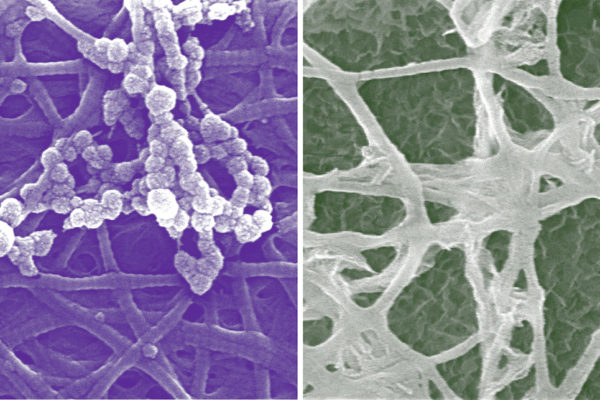
Most of us don’t think about our teeth and bones until one aches or breaks. A team of engineers at Washington University in St. Louis looked deep within collagen fibers to see how the body forms new bone and teeth, seeking insights into faster bone healing and new biomaterials.
Trap, contain and convert
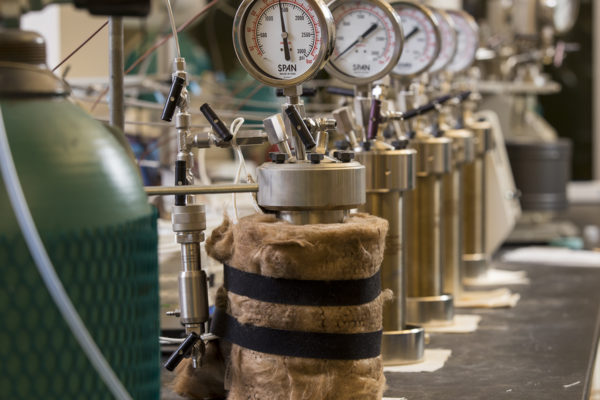
Injecting carbon dioxide deep underground into basalt flows holds promise as an abatement strategy. Now, new research by scientists at Washington University in St. Louis sheds light on exactly what happens underground during the process, illustrating precisely how effective the volcanic rock could be in trapping and converting CO2 emissions.
View More Stories