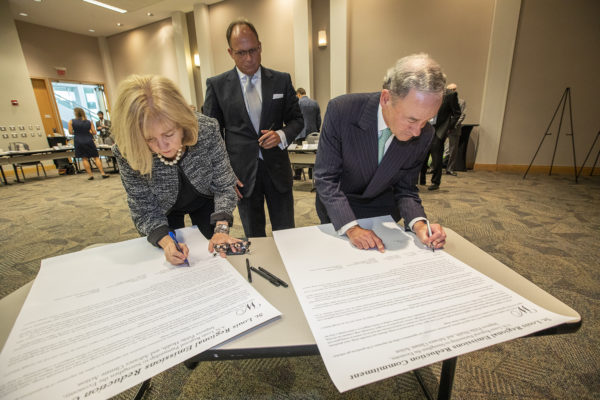
International coalition, regional partnership tackles climate change
Washington University in St. Louis is now a member of the University Climate Change Coalition or UC3, a network of research universities dedicated to accelerating climate change solutions. As part of its commitment, the university recently partnered with regional leaders to collaborate for a greener, cleaner St. Louis.
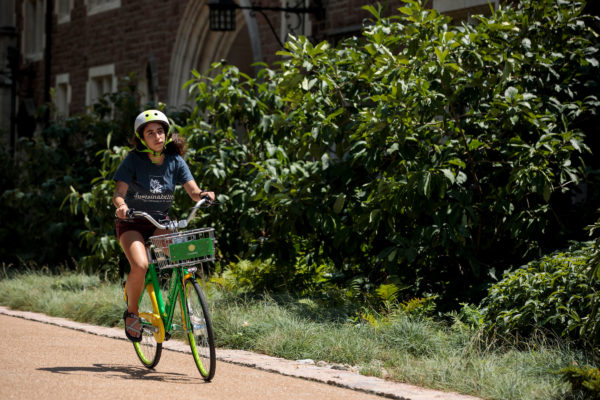
Lime arrives at Washington University
Washington University in St. Louis is now partnering with Lime to bring bike sharing to campus.
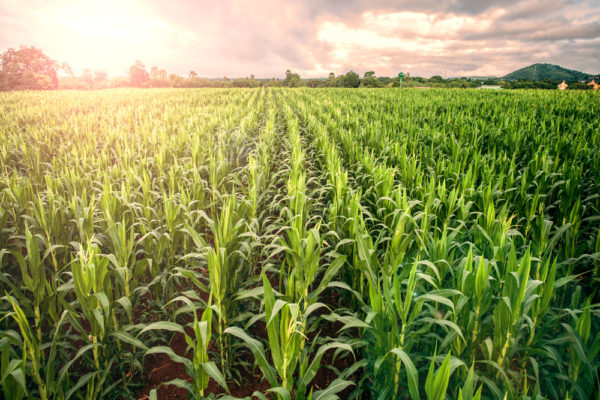
Machine learning used for helping farmers select optimal products suited for their operation
Washington University in St. Louis, in partnership with The Climate Corporation, a subsidiary of Bayer, are working to explore unique new technologies to advance the science behind hybrid selection & placement.
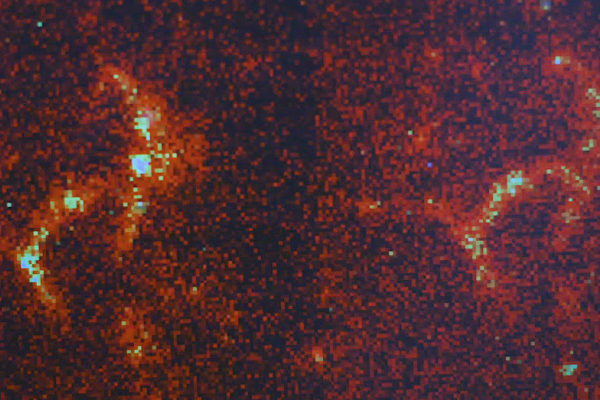
‘Blink’ and you won’t miss amyloids
Tiny protein structures called amyloids are key to understanding certain devastating age-related diseases, but they are so minuscule they can’t be seen using conventional microscopic methods. A team of engineers at Washington University in St. Louis has developed a new technique that uses temporary fluorescence, causing the amyloids to flash or “blink”, allowing researchers to better spot these problematic proteins.

In sync: How cells make connections could impact circadian rhythm
If you’ve ever experienced jet lag, you are familiar with your circadian rhythm, which manages nearly all aspects of metabolism. Every cell in the body has a circadian clock, but until now, researchers were unclear about how networks of cells connect with each other over time. Researchers at Washington University in St. Louis and collaborating institutions have developed a new method that sheds light on these circadian rhythm networks.
Leading the way
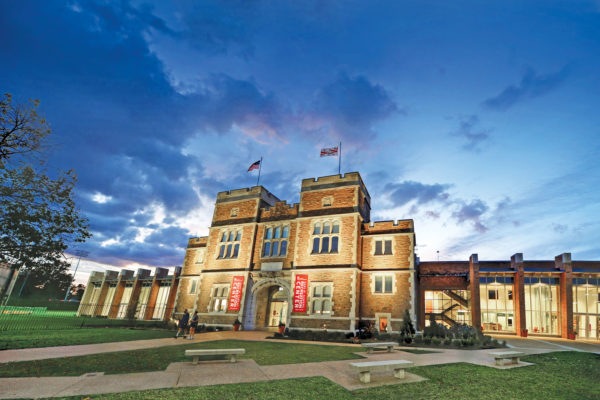
Washington University in St. Louis is being recognized nationally for its institution-wide sustainability efforts: the school recently earned a gold STARS rating from the Association for the Advancement of Sustainability in Higher Education.
Washington University represented at University Alliance of the Silk Road meeting
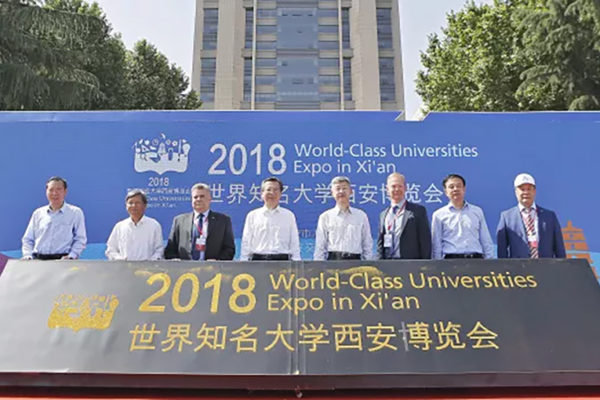
This summer, representatives from Washington University took part in an executive council meeting of the University Alliance of the Silk Road, held at Xi’an Jiaotong University (XJTU) in China. A member institution of the McDonnell International Scholars Academy, XJTU is a key strategic international partner for Washington University.

Africa initiative seeks campus input
Washington University’s Africa initiative is asking faculty members to offer ideas and input through a new online survey.
Role of cell group behavior target of $1.9 million award
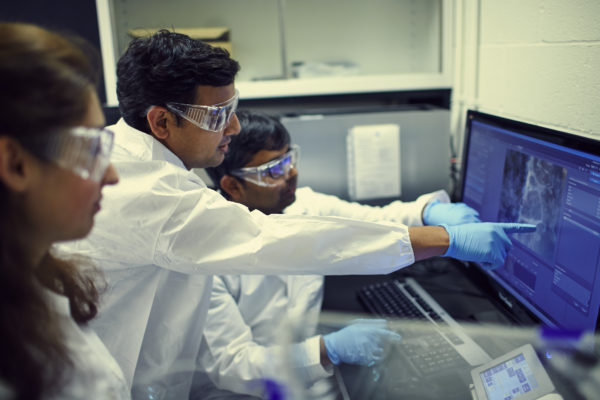
Amit Pathak, a mechanical engineer at Washington University in St. Louis who specializes in mechanobiology, plans to take a closer look at various aspects of cell group behavior — and their implications for diseases such as cancer — with a prestigious five-year, $1.9 million grant for early-stage investigators from the National Institutes of Health (NIH).
New patch boosts brightness in medical diagnostic tests
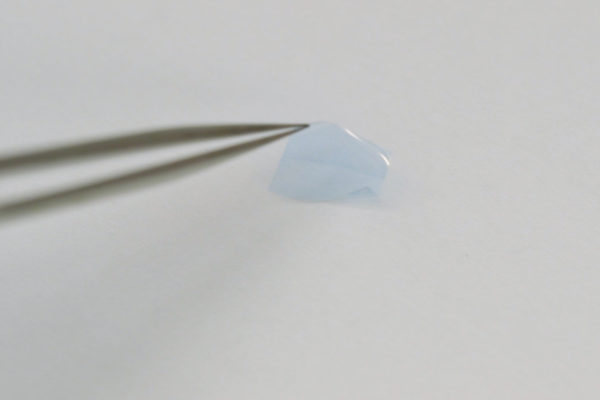
A multidisciplinary team from Washington University in St. Louis and the Air Force Research Laboratory at Wright-Patterson Air Force Base has developed a high-tech fix that brings some medical diagnostic tests out of the dark and into the light.
View More Stories