Amy Eyler studies how policies, along with the built and natural environment, impact chronic disease prevention though behaviors such as physical activity and healthy eating. Her work is focused on evidence-based policy solutions to reduce the burden of obesity, diabetes, and heart disease.
She served as the Deputy Director of The Prevention Research Center in St. Louis for ten years and helped lead the center in managing multiple center projects. Dr. Eyler was the founding leader of the Physical Activity Policy Research Network PAPRN), which was pivotal in advancing an understanding of the impact of policy in this research area.
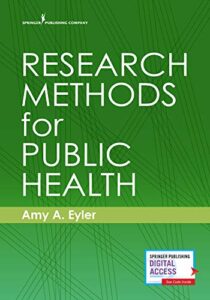
She is author of 135 peer-reviewed publications in journals such as American Journal of Public Health, American Journal of Preventive Medicine, and Journal of Public Health Management and Practice. She is author of three books including Research Methods for Public Health which was published in 2021, with a second edition coming out in 2026.
If you see a health claim that seems too good – or too bad – to be true, take a moment to mentally run the evidence through these three questions before deciding what to believe, write Amy Eyler and Kimberly Johnson.
Adults with a history of cancer are less likely to be physically active than those without a cancer history, finds a new study from Washington University in St. Louis.
The stay-at-home orders during the peak of the COVID-19 pandemic in 2020 led to a decrease in children’s physical activity and in increase in screen time, finds two new studies from the Brown School.
Female authors are underrepresented as sole and first authors and as members of authorship teams in readings for undergraduate college courses, finds a new analysis from the Brown School at Washington University in St. Louis.
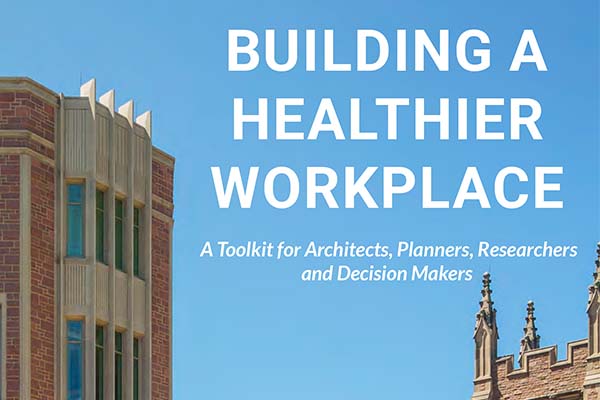
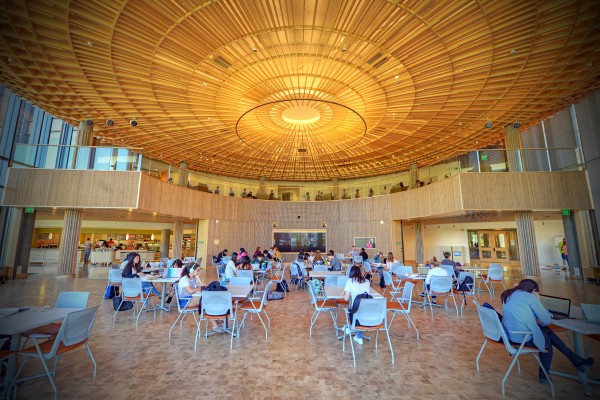
A team of Washington University in St. Louis researchers designed a study — and made a toolkit available to the public — to measure the effects that a deliberately designed environment can have on physical activity, the environment and collaboration.
State health departments are lagging in planning for the replacement of retiring employees, according to a survey from the Brown School at Washington University in St. Louis.
The United States earns failing grades when it comes to the number of people walking to work and school and the number of walkable communities, finds a new national report. Amy Eyler, associate professor at the Brown School, serves on the advisory panel for the National Walking and Walkable Communities Report Card, released Sept. 14.
Exercise. Eat right. Make time to relax. Most of us know what it takes to keep our bodies healthy. But what makes a building healthy? Amy Eyler, PhD, assistant professor at the Brown School at Washington University in St. Louis, wants to find out. Using the Brown School’s new Hillman Hall as a laboratory, Eyler […]
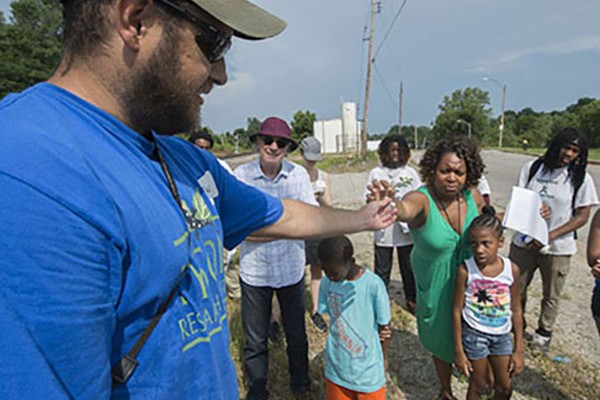
Victims of chronic flooding, dozens of homes in Baden neighborhood will be demolished this summer. But a team of Washington University in St. Louis researchers, together with the City of St. Louis, the Missouri Botanical Garden and the Missouri Department of Conservation, are determined to help the community create something better in the neighborhood.
Open Streets initiatives temporarily close streets
to automobile traffic, so that people may use them for walking,
bicycling, dancing, playing and socializing. Although the movement
is gaining popularity in the United States — more than 100 different
cities have hosted Open Streets events since 2008 — little is known
about planning and implementing them. Brown School researchers Amy Eyler,
PhD, and J. Aaron Hipp, PhD, explore the development and implementation
of Open Streets initiatives and make recommendations for increasing the
capacity of organizers to enhance their success.
This book presents information on research methods in a way that is complementary to other public health coursework. Epidemiology digs deep into specific methods for identifying distribution and determinants of health issues. An understanding of basic research methods serves as a foundation for mastery of epidemiology. Biostatistics is another component of public health preparation. The […]
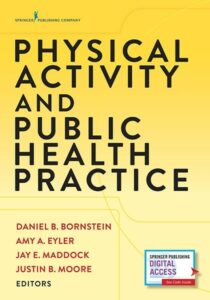
Presented from both a research and a practice perspective while discussing the best available research, this book provides the basis for planning and implementing physical activity programs that work and can build healthier communities. This hands-on text incorporates learning objectives, real-world examples, case studies, and bulleted lists whenever possible so that the content can be […]