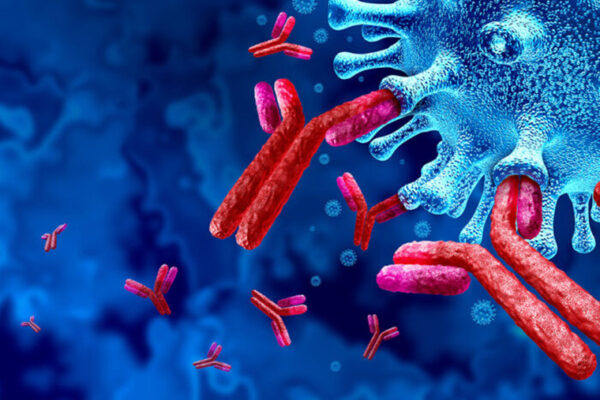
Antibodies improve in quality for months after COVID-19 vaccination
Antibodies elicited by COVID-19 vaccination become steadily more powerful for at least six months after vaccination, according to a study by researchers at Washington University School of Medicine that involved the Pfizer-BioNTech COVID-19 vaccine.

A debt of gratitude
Health-care workers at the Washington University School of Medicine have contributed greatly to regional and world health during the pandemic, and we owe them so much appreciation.
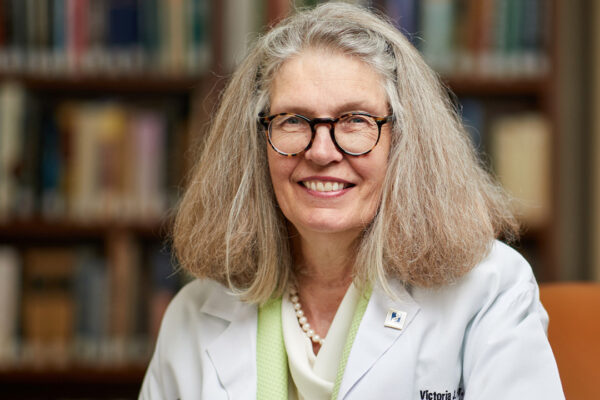
Smoothing the path
Medical trailblazer Victoria Fraser, MD, focuses on creating equity in academic medicine.
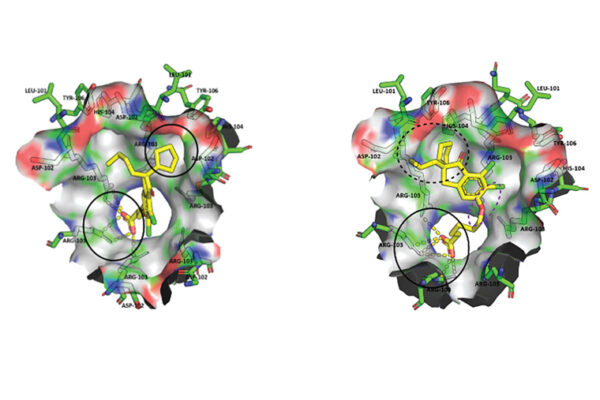
Diabetes, metabolic syndrome in mice treated with novel class of compounds
Researchers at Washington University School of Medicine have shown, in mice, that a new class of compounds they developed can improve several aspects of metabolic syndrome. Such conditions often lead to cardiovascular disease, the leading cause of death worldwide.

Six innovators named National Academy of Inventors senior members
Five researchers from the School of Medicine and one from the McKelvey School of Engineering have been named senior members of the National Academy of Inventors.

Boyer elected to orthopedic surgery board
Martin I. Boyer, MD, the Carol B. and Jerome T. Loeb Professor of Orthopaedic Surgery at the School of Medicine, has been named a director-elect for the American Board of Orthopaedic Surgery.
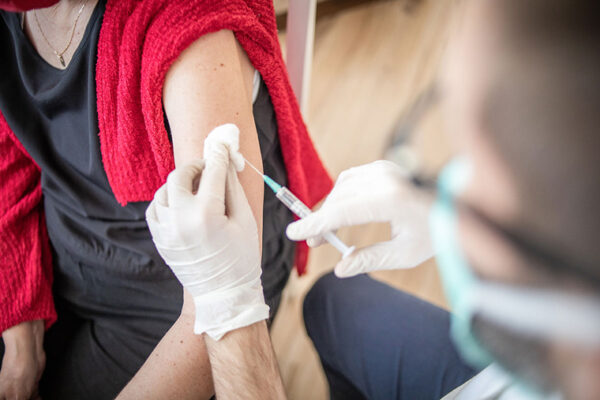
Washington University participates in clinical trial of Moderna omicron booster
Washington University School of Medicine is participating in a nationwide phase 2 clinical trial to evaluate whether an investigational omicron-specific booster of the Moderna COVID-19 vaccine is safe and capable of eliciting a strong immune response.
Researchers unravel omicron’s secrets to better understand COVID-19
In two recent studies, researchers at Washington University School of Medicine found evidence that the omicron variant of the virus that causes COVID-19 causes less severe disease than previous variants — at least in rodents — but that many antibody-based therapies may not be effective against it.
Garwood honored with Walentik leadership award
The Missouri Foundation for Health has honored Sarah Garwood, MD, with the 2021 Dr. Corinne Walentik Leadership in Health award.

Promoting resilience in health-care workers aim of new grant
The COVID-19 pandemic has raised stress levels among health-care workers, leading to burnout, depression and more. Researchers at Washington University School of Medicine have received a grant that aims to reduce workers’ burnout and promote their mental health and wellness.
View More Stories