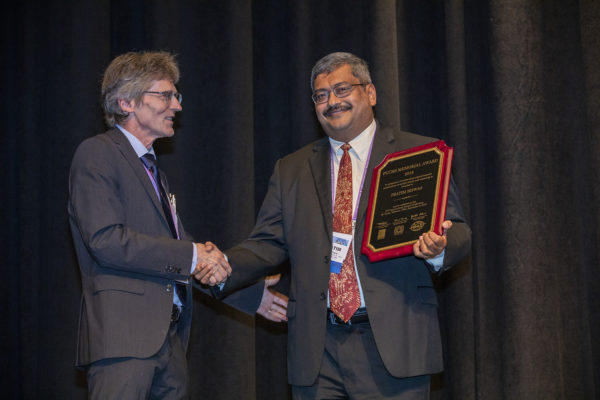
Biswas elected to National Academy of Engineering
Pratim Biswas, the Lucy & Stanley Lopata Professor in the McKelvey School of Engineering at Washington University in St. Louis, has been elected to the National Academy of Engineering, considered one of the highest honors in the field of engineering.
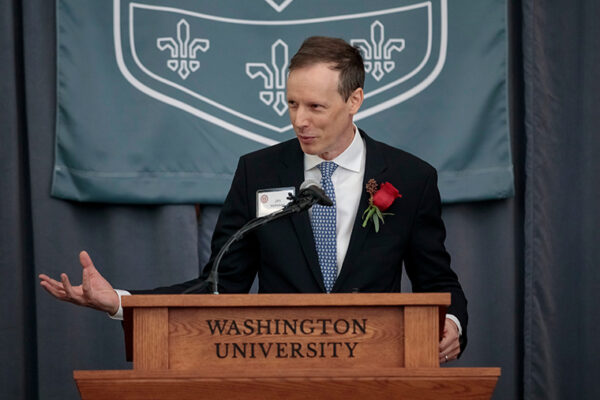
New era in engineering to begin at Washington University
The School of Engineering & Applied Science will be renamed the James McKelvey School of Engineering, in honor of trustee and distinguished alumnus Jim McKelvey Jr., who has made an unprecedented and transformative investment in the school.
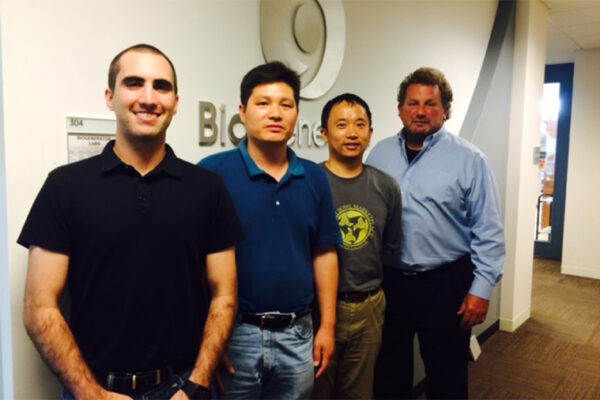
Engineering a third option
Working with budding local tech companies can be good for researchers, good for startups and good for the local economy — even if, in the end, the researcher decides to head back to the lab. Here’s the story of what one PhD student is learning about his options.
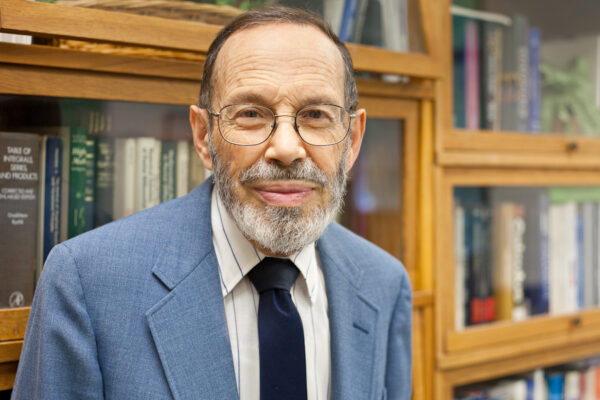
Obituary: I. Norman Katz, senior professor of electrical and systems engineering, 86
I. Norman Katz, longtime professor of electrical and systems engineering at Washington University in St. Louis, died Tuesday, Jan. 15, 2019, in New Jersey. He was 86.
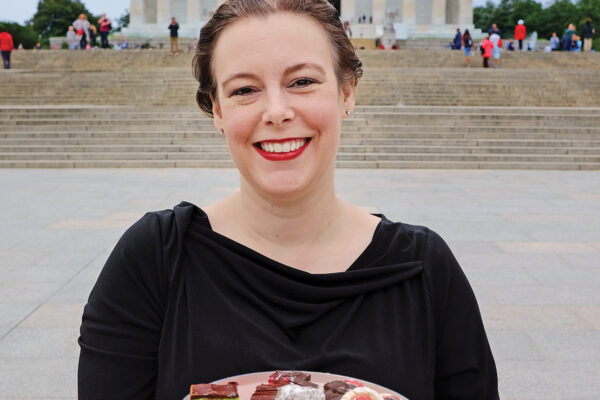
Creating her own recipe for change
Alumna Amy DuVall, BS ’95, a lawyer turned environmental lobbyist turned pastry chef, bakes purpose into whatever she pursues, including her service to Washington University.
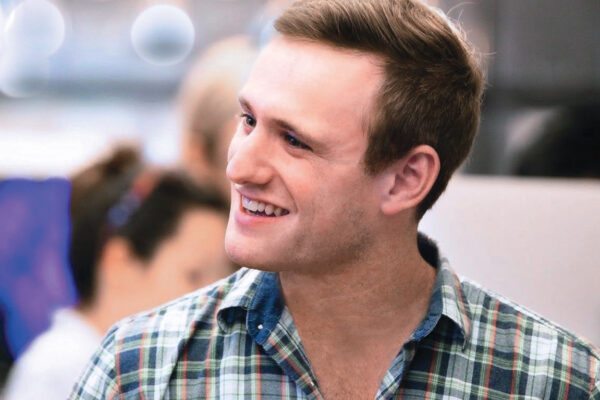
An entrepreneurial drive
As a student, JD Ross, BSBA ’11, BS ’11, ran two businesses. Ever entrepreneurial, after graduating from the university, Ross created a new way to sell homes with Opendoor.
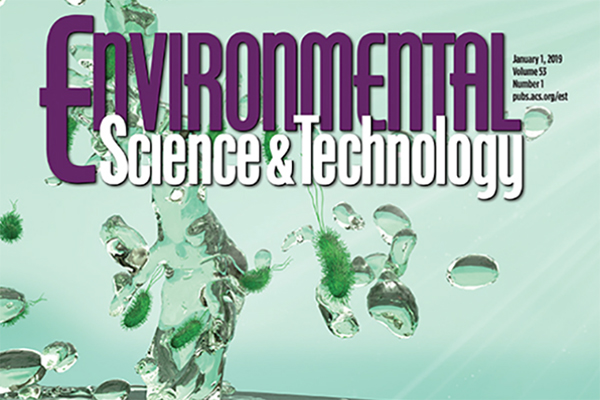
Using bacteria to create a water filter that kills bacteria
Engineers have created a bacteria-filtering membrane using graphene oxide and bacterial nanocellulose. It’s highly efficient, long-lasting and environmentally friendly — and could provide clean water for those in need.
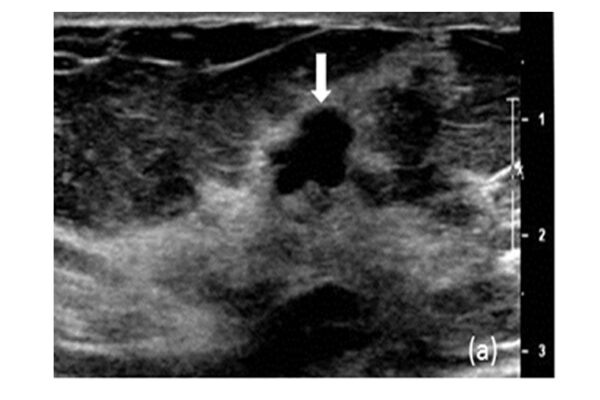
Novel imaging technology may help reduce biopsies for breast tumors
Scientists at Washington University in St. Louis plan to use a new imaging technique to get a better look at breast tumors and reduce unnecessary biopsies.

Faculty win Emerson teaching awards
Six faculty members from Washington University in St. Louis have won Emerson Excellence in Teaching awards.
Board grants faculty appointments, promotions
At the Washington University in St. Louis Board of Trustees meeting Dec. 7, a few faculty members were appointed, promoted or granted tenure, effective that day unless otherwise noted.
View More Stories