Geetika Khanna, MD, a professor of radiology, has been named chief of pediatric radiology for Mallinckrodt Institute of Radiology at Washington University School of Medicine in St. Louis. Khanna, who served as interim chief for the past year, also assumes the role of radiologist-in-chief at St. Louis Children’s Hospital.
School of Medicine researchers have identified a pathway in the brain that seems to connect exposure to adverse experiences during early childhood with depression and problems with physical health in teens and preteens.
Garland E. Allen, professor emeritus of biology in Arts & Sciences at Washington University in St. Louis, will receive the History of Science Society’s 2017 Sarton Medal for lifetime scholarly achievement Nov. 10 at the society’s annual meeting in Toronto.
There is no question the early darlings of the young NHL season are the Vegas Golden Knights. Of course, in just a few years, the Golden Knights won’t be the only game in town. The Oakland Raiders will be relocating to Las Vegas by either 2019 or 2020. The question this begs, of course, is what will happen to the commercial success of the Golden Knights once the Raiders come to town?
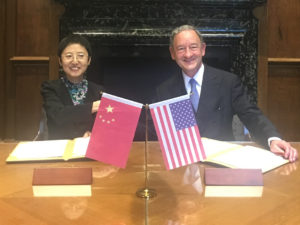
A newly drafted partnership, signed last month in New York by Chancellor Mark S. Wrighton and officials with the China Scholarship Council, will bring up to 15 new PhD students per year from China to study at Washington University in St. Louis.
A new oral history series on the contributions of pioneering plant genetics researchers includes online video interviews with two professors who have strong ties to Arts & Sciences at Washington University in St. Louis: Glenn Stone and Mary-Dell Chilton.
The volleyball team will host a Green Dot match at 7 p.m. Tuesday, Oct. 31, against Greenville University. The university’s Green Dot program encourages bystanders to intervene and help prevent sexual assault and violence.
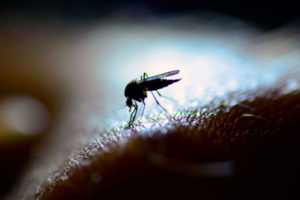
Researchers at the School of Medicine have identified how the malaria parasite gets into and out of red blood cells, and chemical compounds that block the process. The findings could lead to desperately needed new drugs for the deadly mosquito-borne disease.
Mary Shelley’s “Frankenstein” (1818) is one of the most influential artistic creations of the last two centuries. On Sunday, Oct. 29, the Washington University Symphony Orchestra will present three world premiere student compositions, inspired by Shelley’s book, in the E. Desmond Lee Concert Hall.