Since the industrial revolution, coal, oil and natural gas have driven unprecedented growth in life span, population, income, education and quality of life. They have done so by providing us with energy 24/7/365, and the International Energy Agency projects that fossil fuels will account for a whopping 77 percent of our energy use in 2040.
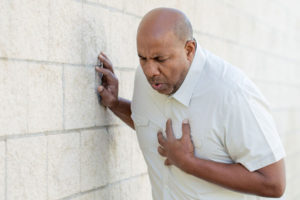
Ten million people come to the ER with chest pain each year in the United States. A new School of Medicine study shows that these patients are getting more testing than is necessary to rule out heart attacks and that such patients do not need CT scans or cardiac stress tests, according to the researchers.
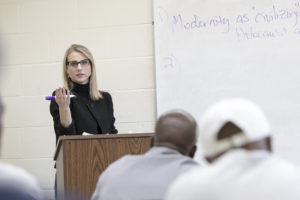
Jennifer M. Hudson, program manager for the Washington University Prison Education Project, discusses the project, its animating philosophy and the importance of the liberal arts.
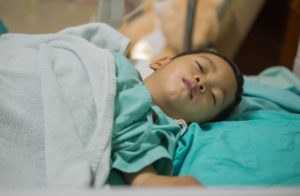
A team of scientists at Washington University in St. Louis is developing a new way to look inside the brains of the littlest patients — a technique that will provide precise measurements without requiring children to stay perfectly still or the use of ionizing radiation.
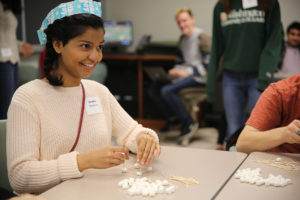
Question: In 2013, WashU student (now engineering graduate) Molly Harrison performed in the Macy’s Thanksgiving Day Parade in New York. Which activity did she showcase during the parade?
A $10 million commitment from Andrew Taylor, a life trustee at Washington University, and his wife, Barbara, will establish the Taylor Family Scholarship Challenge, which will match all new and increased gifts for undergraduate scholarships received by the conclusion of Leading Together: The Campaign for Washington University on June 30, 2018, as well as pledges to be paid by June 30, 2023.
The next universitywide blood drive will be held Wednesday, Nov. 15, at seven locations throughout the campuses. All faculty, staff and students are encouraged to participate.
The Office of Sustainability has a goal of reaching 100 certified Green Offices by the end of 2017. Learn more, and certify your office by Wednesday, Nov. 15, for a raffle entry to win an office prize.
As the search gets underway for the next chancellor of Washington University, the search committee is eager to hear from members of the university community. To begin gathering input, the committee will host listening sessions for Danforth Campus faculty, students and staff Nov. 29 and Dec. 4 and 5. Listening sessions on the Medical Campus will be held in early 2018.