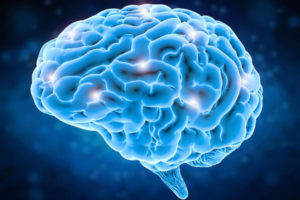
Very slow brain waves may be more important than anyone had realized. Researchers at the School of Medicine have found that very slow waves are directly linked to state of consciousness and may be involved in coordinating activity across distant brain regions.
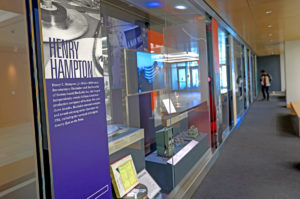
The new Thomas Gallery in Olin Library at Washington University in St. Louis unveiled this week its debut exhibition — “Lasting Legacies,” a tribute to noted alumni. The exhibit is the first of many to showcase University Libraries’ Department of Special Collections, which is among academia’s largest and most diverse.
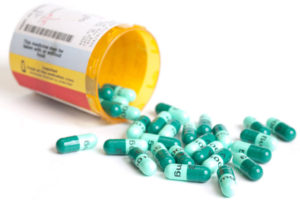
Consumers can pretty easily discern how automobile manufacturers and their suppliers make money, for example. But fewer understand how their $20 co-pay for anti-cholesterol medication gets split between the drugmaker, the insurance company and the pharmacy benefit manager. New research from Olin Business School aims to explain.
The next universitywide blood drive will be held Wednesday, April 4, at seven locations throughout the campuses. All faculty, staff and students are encouraged to participate.
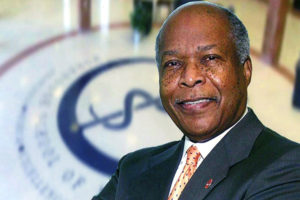
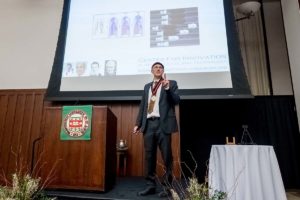
Louis W. Sullivan, MD, former U.S. Health and Human Services secretary, will deliver the Brown School’s annual Youngdahl Lecture at Washington University in St. Louis at 6 p.m. Thursday, April 5, in Hillman Hall.
School of Medicine scientists have combined the gene-editing tool CRISPR with a deactivated virus to deliver a healthy gene to a precise location in the bodies of living mice. And more importantly, the researchers demonstrated that the inserted gene remained properly activated in mice for at least six months.
Guy Genin, an internationally renowned expert in mechanobiology, was installed as the Harold and Kathleen Faught Professor of Mechanical Engineering at Washington University in St. Louis on Feb. 12.
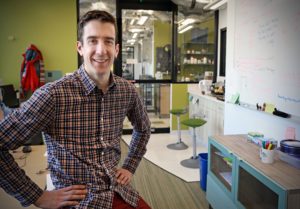
Keith Hengen, assistant professor of biology in Arts & Sciences, collects more than 20 terabytes of data a day. Through big data, new technology and good coffee, Hengen has set out to discover how systems of neurons interact. And, in doing so, he created a new sort of workspace that is both functional and fun.
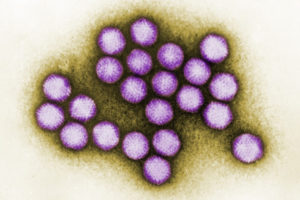
Doctors recommend against taking antibiotics for viral infections because they don’t kill viruses — and they promote antibiotic resistance. A new study from the School of Medicine suggests another reason to avoid the pills: Taking antibiotics increases susceptibility to subsequent viral infection, at least in mice.
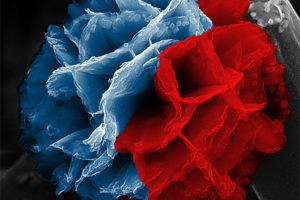
Research from the Department of Chemistry in Arts & Sciences advances the understanding of the chemical mechanisms involved with depositing rust and forming polymers, which will allow scientists to more easily manipulate and engineer the structures of the materials they make.