The federal Office of Fossil Energy has granted researchers at the McKelvey School of Engineering nearly $7 million to refine a new power plant that’s suitable for fossil fuels and renewables — and will emit almost no carbon.
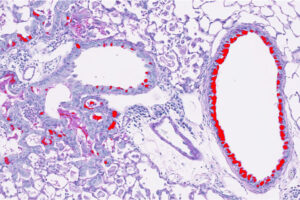
School of Medicine researchers have received a $3.9 million grant supporting new technologies and therapeutics to advance a drug to treat debilitating lung diseases, including asthma and chronic obstructive pulmonary disease. The research is led by Michael J. Holtzman, MD.
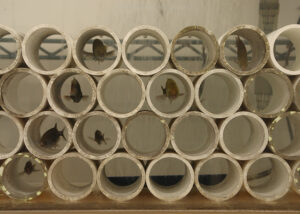
African fish called mormyrids communicate using pulses of electricity. New research from biologists in Arts & Sciences shows that a time-shifted signal in the brain helps the fish to ignore their own pulse. This skill has co-evolved with large and rapid changes in these signals across species.
Ganesh M. Babulal, assistant professor of neurology at the School of Medicine, received a five-year $3,984,843 grant from the National Institutes of Health (NIH)’s National Institute On Aging for research titled “The Impact of Depression and Preclinical Alzheimer Disease on Driving Among Older Adults.” This study will investigate how depression, preclinical Alzheimer’s disease and antidepressant use […]
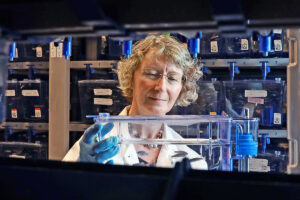
Lila Solnica-Krezel, the Alan A. and Edith L. Wolff Distinguished Professor and head of the Department of Developmental Biology at Washington University School of Medicine in St. Louis, has been elected president of the International Zebrafish Society.
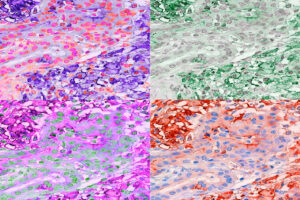
In a mouse study, researchers at Washington University School of Medicine in St. Louis have found that an antibody that targets the protein TREM2 empowers tumor-destroying immune cells and improves the effectiveness of cancer immunotherapy.
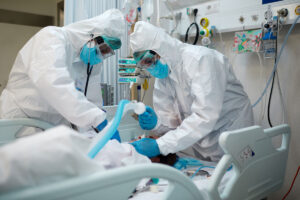
School of Medicine researchers are investigating whether a drug approved by the Food and Drug Administration to treat rare diseases of an overactive immune system could help critically ill patients hospitalized with COVID-19.
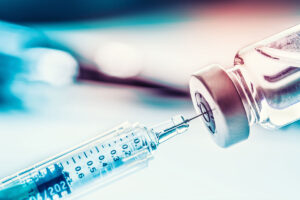
Researchers at Washington University School of Medicine in St. Louis have created a COVID-19 vaccine candidate from a replicating virus. This experimental vaccine has proven effective at preventing pneumonia in mice.
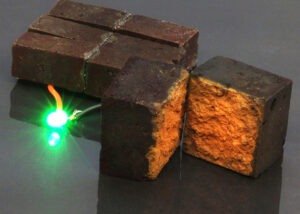
Red bricks — some of the world’s cheapest and most familiar building materials — can be converted into energy storage units that can be charged to hold electricity, like a battery, according to new research from chemists in Arts & Sciences.