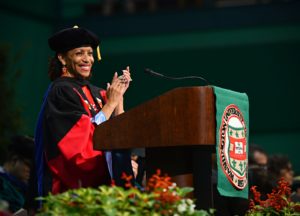
Lori White, vice chancellor for student affairs and the newly installed board chair of NASPA, speaks frankly about the challenges facing today’s universities, her goals to improve access and the graduate-student experience at Washington University, and what it will be like to work with her husband, incoming associate provost Anthony Tillman.
The “Eyes on the Prize” series on the civil rights movement will be rebroadcast by the Nine Network this weekend. A follow-up documentary features previously unaired materials from University Libraries’ Henry Hampton Collection and airs at 7:30 p.m. Friday, May 6.
Kosi Onyeneho and Natalia Guzman Solano, both graduate students in the Department of Anthropology in Arts & Sciences, have been selected as digital editorial
fellows for the Political and Legal Anthropology Review.
Fair Saint Louis will held in Forest Park July 2-4 for the third year in a row. In the spirit of community partnership, and given the proximity of the park to campus, Washington University has once again agreed to sponsor Fair Saint Louis by providing access to several campus parking areas during the fair, beginning at 4:30 p.m. Friday, July 1.
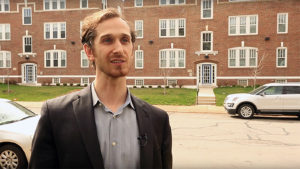
An ongoing experiment — an “architectural twin study” — conducted by students, faculty and staff at Washington University on two 100-year-old St. Louis brick buildings produced some remarkable results.
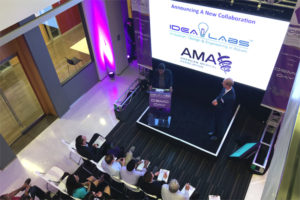
IDEA Labs, a student-run bioengineering and design incubator started at Washington University in St. Louis, will expand its national reach through a partnership with the American Medical Association. The collaboration is aimed at supporting cutting-edge medical technology development from the next generation of young entrepreneurs.
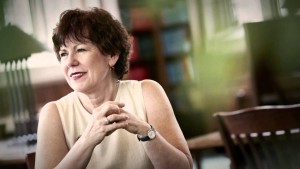
Sarah Gehlert, E. Desmond Lee Professor of Racial and Ethnic Diversity at the Brown School, has been named to the steering committee of the California Breast Cancer Research Program.
Those on the Medical Campus, take note: At about 9 a.m. Tuesday, May 3, the Campus Renewal Project safety team will demonstrate the importance of construction workers wearing fall-protection gear and having a rescue plan.
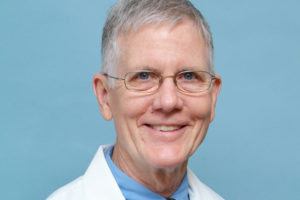
Robert Charles Strunk, MD, a beloved and acclaimed pediatric allergist at Washington University School of Medicine in St. Louis, died of cardiac arrest Thursday, April 28, 2016, in his native Chicago. He was 73.
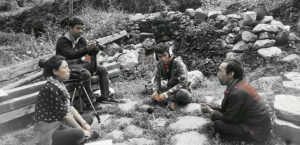
The dramatic 7.8 magnitude earthquake that hit Nepal one year ago left behind a landscape littered with crumbled homes, buildings and roads. While infrastructure can be rebuilt, the disaster may have a more lasting impact on the nation’s culture, suggests an interdisciplinary team studying the aftermath as part of a rapid response grant from the National Science Foundation (NSF).