On February 28, President Donald Trump announced in a prerecorded message on Truth Social that “major combat operations” against Iran had begun. Operation Epic Fury, Trump said, would prevent Iran from ever acquiring a nuclear weapon. It would destroy Iran’s ballistic missiles and launchers, “annihilate” Iran’s navy, and reduce Iran’s material support for regional proxy groups such as Hamas and Hezbollah. These steps, Trump continued, would ensure Iran could no longer threaten the region or the United States.
At the end of the eight-minute speech, Trump beckoned the Iranian people to rise up and overthrow their government. Now, he declared, would be their “only chance for generations.” The U.S. was taking its opportunity to degrade Iran’s offensive capabilities. This would create additional opportunities for an oppressed people to seize freedom. Opportunity abounded.
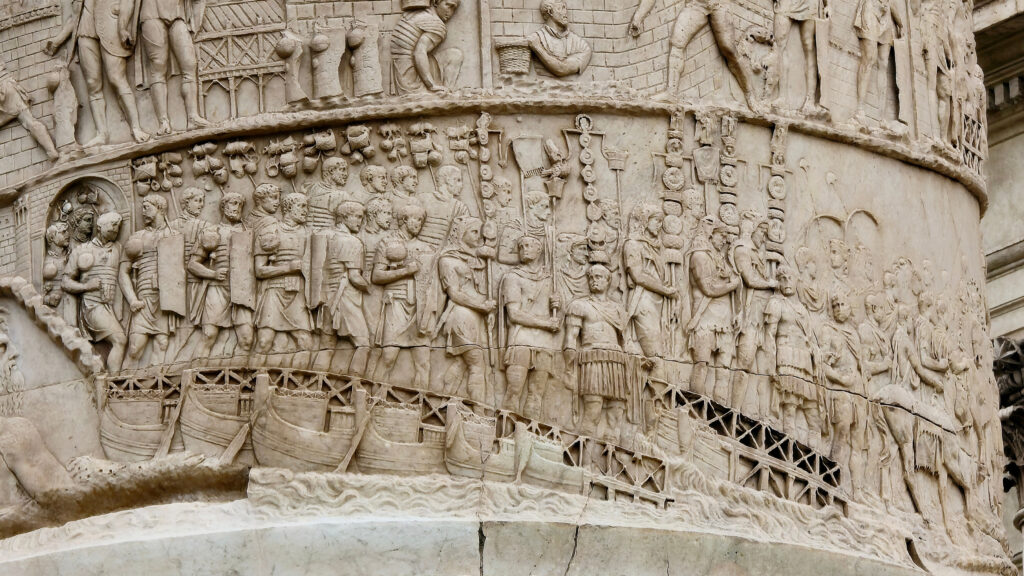
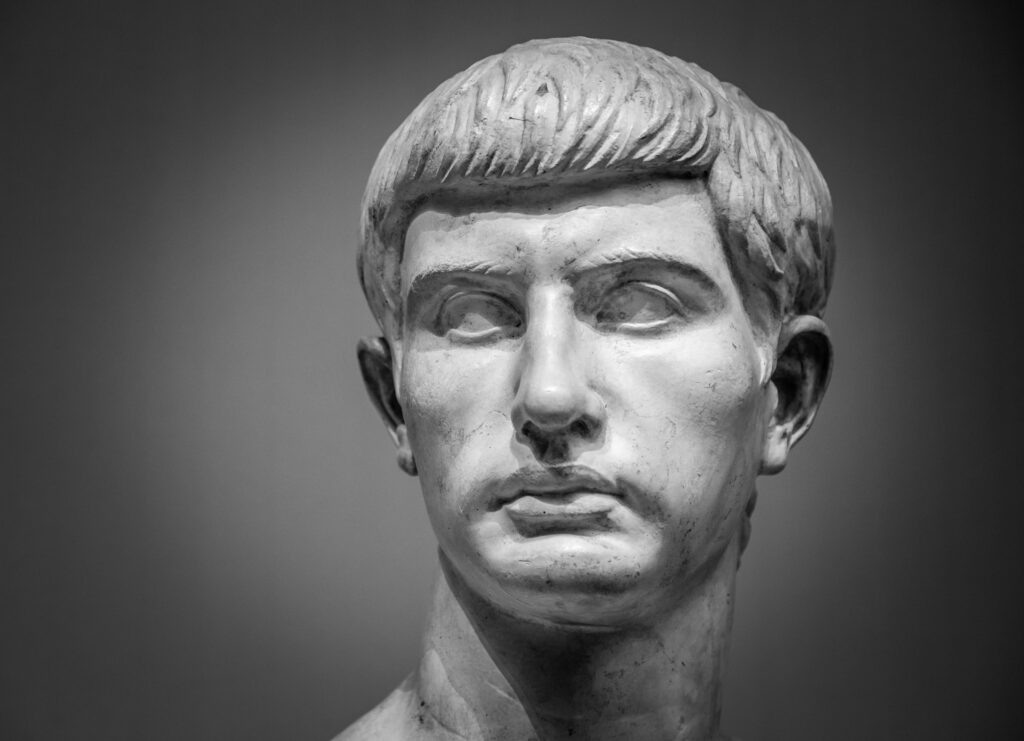
Trump’s opportunity doctrine recalls another moment in history. Following his assassination of Julius Caesar, Markus Junius Brutus, seeking to save the Roman Republic, launched the Liberator’s Civil War of 43-42 BC. With Gaius Cassius Longinus, Brutus led the Liberator faction against the Triumvirate forces of Mark Antony, Octavius and Marcus Aemilius Lepidus.

At the Battle of Philippi, Brutus faced Octavius while Cassius squared off against Anthony. Brutus carried the day, but Cassius was defeated. Hearing false reports that Brutus also had lost, Cassius committed suicide. Brutus then rallied both armies to fight again, but this time was overwhelmed. He too committed suicide. Octavius, seizing his own opportunity, became Roman Emperor in 27 BC.
Despite occurring in vastly different historical periods, the Liberator War and the U.S. War in Iran share certain elements. The Triumvirs fought to consolidate power for the strong man Octavius. Trump fights to prevent the strong man Khamenei and the “evil” Iranian regime from becoming a greater threat — and from undermining détente between Arab States and Israel. In both cases, rogue regimes, blocking the path to the future, had to be eliminated.
There is also the element of revenge. Antony and Octavius sought to avenge their beloved Caesar. Trump, fearing an Iranian assassination plot, said of killing Supreme Leader Ayatollah Ali Khamenei: “I got him before he got me.”
Finally, both the U.S. and the Triumvirate deployed overwhelming force. Anthony and Octavian had 28 legions, or 120,000-168,000 centurions, plus 33,000 cavalry. Though Brutus had 18 legions and 80,000 soldiers from the Eastern kingdoms, many were veterans of Julius Caesar’s army and of doubtful loyalty. The U.S. deployed at least 50,000 forces, hundreds of aircraft, sophisticated intelligence, surveillance and reconnaissance capabilities, and two major aircraft carrier task forces — all against an outdated Iranian Air Force of Soviet-era MiG jets and a small navy that now mostly lies at the bottom of the Persian Gulf.
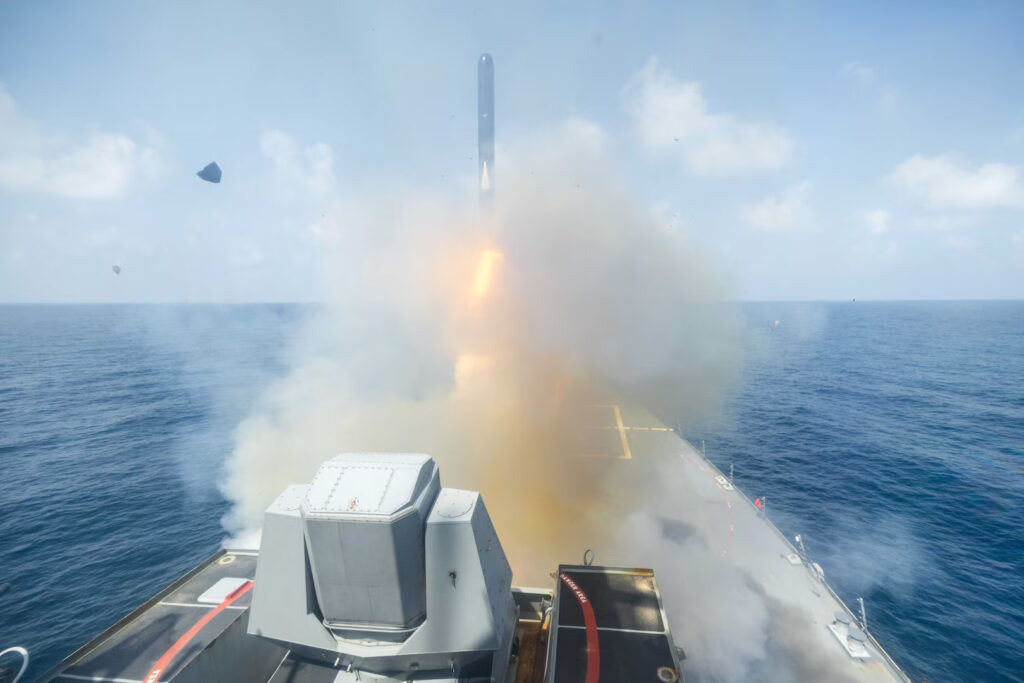
Of course there are notable differences. Iran’s navy is ruined but Republican ships scored a major victory in the sea campaign against the Triumvirate. And Brutus, for a time, pushed Octavius back. Iran has yet to show any military victories and is losing capacity by the day.
What is most captivating, however, is the way two principals — Trump and Brutus — loom over these campaigns. Both articulated similar rationales for war. At Philippi, Brutus outwitted Triumvirate commanders Gaius Norbanus Flaccus and Lucius Decidius Saxa, forcing them to leave a strategic perch. But the quick victory went to Brutus’ head. When Cassius, the better tactician, counselled caution—rightly at it turned out—Brutus brushed him off.
We do not know what Brutus actually said to Cassius, but we do know what Shakespeare has him say in Act 4, Scene 3 of Julius Caesar. Brutus opines:
There is a tide in the affairs of men
Which taken at the flood leads on to fortune;
Omitted, all the voyage of their life
Is bound in shallows and in miseries.
On such a full sea are we now afloat,
And we must take the current when it serves,
Or lose our ventures.
That is, Brutus urges Cassius to take decisive action. Victory, Brutus insists, awaits! Trump too argues for preemptive invasion. Both claim to seize an opportunity already at hand. For Brutus, the tide at flood stage is the golden moment. Taken, it will lead to success. Passed over, it will lead to regret and misfortune. Trump conjures the image of a mushroom cloud. If the U.S. does not act now, Trump suggests, he and future presidents will regret it.
A sense of destiny, and perhaps idealism, drives both men. Brutus seeks to save the Roman Republic. Trump proclaims his desire to protect America and rescue the Iranian people. Success or failure will be theirs alone.
But what of consequences? Brutus sealed his own fate. In seeking victory, greatness and fame, Brutus overstepped. The gods (or simply better war fighting on behalf of the Triumvirs) would not have it.
Trump’s fate still awaits him. If the U.S. achieves its strategic objectives, with limited loss of blood and treasure, minimal damage to the region, then mild market dips and a temporary surge in energy prices will seem small prices to pay. Trump will claim victory and play the hero.
But if the operational goals do not achieve the strategic aim and the Iranian regime survives — the more likely outcome, since airpower alone has yet to achieve such a change — then Operation Epic Fury will have failed. Trump will be found wanting. As with Brutus, Trump’s hubris, overreach and insatiable appetites will have led him to tragedy.
Krister Knapp is a teaching professor in history in Arts & Sciences; a faculty research fellow in the Weidenbaum Center on the Economy, Government and Public Policy; and coordinator of Crisis & Conflict in Historical Perspective (CCHP), all at Washington University in St. Louis. He teaches courses in U.S. national security and foreign policy.
Knapp will present a free lecture titled “Assessing the War in Iran” at 5:30 p.m. Thursday, March 19, as part of the spring CCHP Lecture Series. The talk will take place in Busch Hall, Room 100. For more information, click here.
Knapp also will speak on “The Unfolding War in Iran” at 11:30 a.m. Thursday, March 26, for the Weidenbaum Center. That talk will take place in the Weidenbaum Center Conference Room, Seigle Hall, Suite 170. For more information, click here.