
Aid package will only postpone inevitable housing crisis
As part of the new $900 billion federal stimulus package, the moratorium on evictions for renters will be extended by one month, through the end of January. The help could not come soon enough, says an expert on social and economic development at the Brown School. However, without more intentional, long-term solutions and investments, this aid will only postpone an inevitable housing crisis.
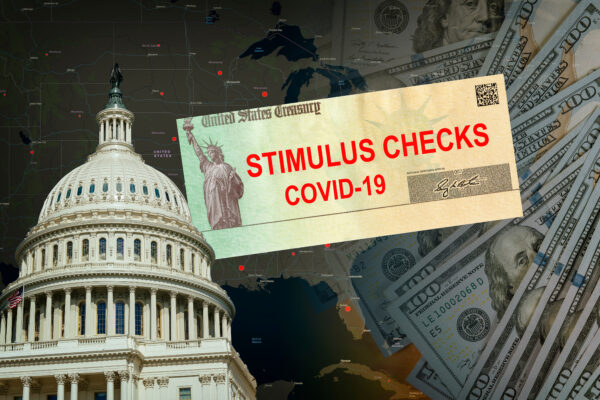
We need economic rescue, and we need it now
After months of failed negotiations that have left many Americans, businesses and the economy in the lurch, lawmakers are scrambling to reach a deal on an economic stimulus plan that could top $900 billion. If Congress passes the deal, will it do enough to help struggling Americans and businesses stay afloat? To answer that question, three business and economics experts at Washington University in St. Louis shared their thoughts on the proposed plan, what lawmakers got right, what is missing and what ticking time bombs remain.

China probe returns with ‘treasure trove’ of moon rocks
The Chinese space agency announced Dec. 16 the return of a lunar probe bringing back the first fresh samples of rock and debris from the moon in more than 40 years. Bradley L. Jolliff, the Scott Rudolph Professor of Earth and Planetary Sciences in Arts & Sciences at Washington University in St. Louis, reflects on the scientific value of the samples.

Shareholder influence more effective than mandates in diversifying boards
Olin Business School’s Todd Gormley discusses his research on efforts to increase gender diversity on governance boards through shareholder pressure, and the potential impact of a new policy proposed by Nasdaq.

The vexing vax supply chain
The cold, hard fact is: Pfizer blazed a trail in creating a touted COVID-19 vaccine, but now it must help to equally pioneer an unprecedented way to distribute the drug across the United States and the globe, says a supply chain expert at Washington University in St. Louis.
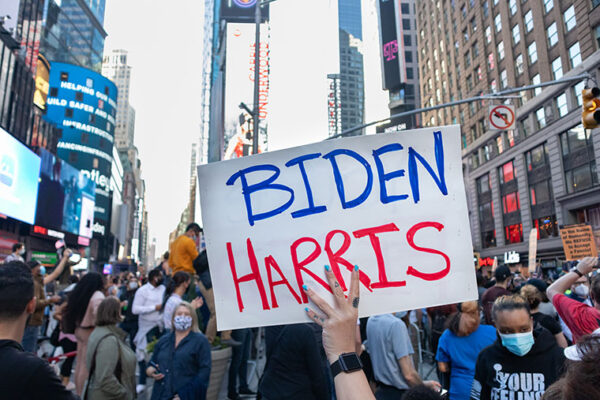
The Electoral College
On Nov. 7, Joe Biden was declared the winner in Pennsylvania, making him president-elect of the United States. Yet it had been clear since Americans went to the polls Nov. 3 that Biden would win the popular vote. The days of uncertainty and drama were entirely due to the arcane and archaic mechanics of the Electoral College, says Rachel Brown, an assistant professor at Washington University in St. Louis.
The historic 2020 election, and what’s next
After the contentious 2020 presidential election, Washington University in St. Louis faculty experts offer their predictions and perspectives on the legal battle ensuing, the election process, the transition of power and the future for both President-elect Joe Biden’s administration and President Donald Trump’s.

Remembering Kim Massie
Blues singer Kim Massie, who died Oct. 12, was a beloved figure in St. Louis — a grandmother of six who held court downtown twice each week for more than two decades. Washington University’s Paige McGinley, who wrote about Massie in her 2014 book “Staging the Blues,” remembers the singer.
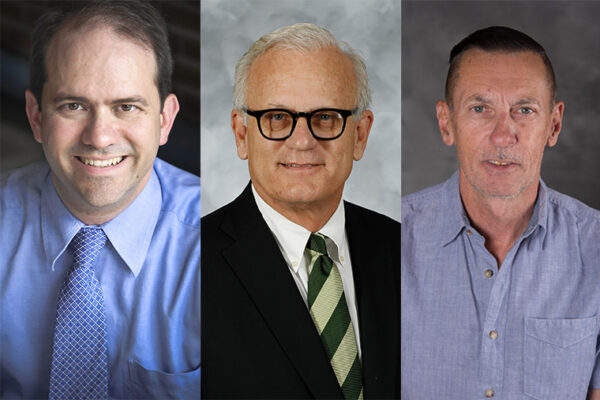
2020 election and the economy
Three experts from the Olin Business School at Washington University in St. Louis weigh in on President Trump’s record, the state of the economy and what to expect from a second Trump term or a Biden administration.
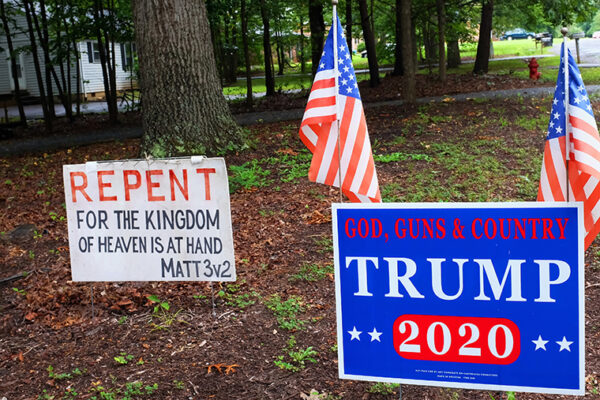
Religion and the 2020 election
According to Lerone A. Martin, director of American Culture Studies and associate professor of religion and politics and of African and African-American studies, all in Arts & Sciences at Washington University in St. Louis, modern evangelical voters have supported political candidates for myriad reasons, not all of which are in line with traditional Christian values.
View More Stories