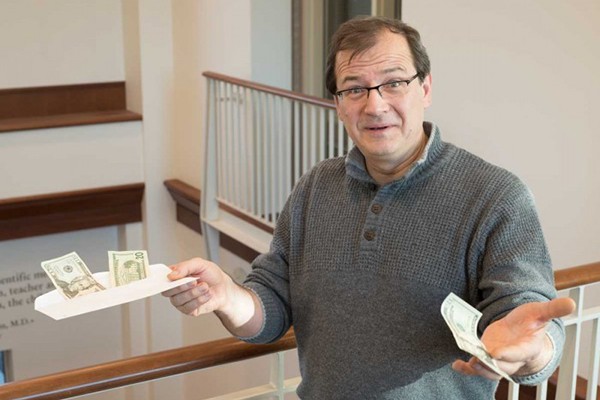
Genes influence choice between small rewards now or bigger ones later
Opting for smaller rewards immediately instead of waiting for bigger payoffs later is associated with problems such as impulsivity and addiction to food, drugs and alcohol. School of Medicine researchers led by Andrey Anokhin, PhD, are reporting that such decision-making tendencies have a genetic link to brain pathways that underlie those disorders.
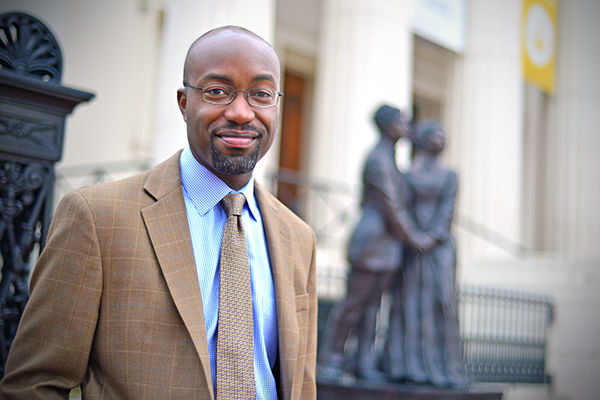
WashU Expert: Better health care not enough to address health disparities
More and better health care will be necessary, but not sufficient, to advance better overall population health and to address lingering health disparities, says Jason Purnell, an expert on public health at Washington University in St. Louis. Purnell has written a chapter in the newly released book “What It’s Worth: Strengthening the Financial Future of Families, Communities, and the Nation.”
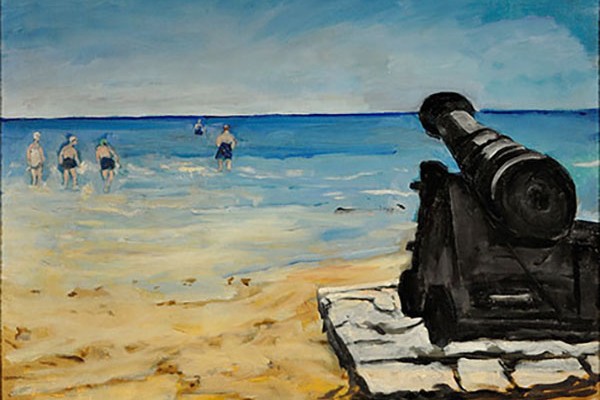
VIDEO: The Paintings of Sir Winston Churchill
In 1915, at age 40, Winston Churchill was ousted as First Lord of the Admiralty during Britain’s disastrous Gallipoli campaign. It was a low point for the future prime minister, but recovery began in the most unlikely of places: in the garden, with a box of paints.

Most Americans live surprisingly close to their mothers
Most Americans live within 25 miles of their mothers, according to a study co-authored by an economics researcher at Washington University in St. Louis. The study calls into question a widespread belief that when children grow up, they’re likely to move far away and not be on hand to help out when their mothers get […]

The geography of Antarctica’s underside
Scientists were able to deploy ruggidized seismometers that could withstand intense cold in Antarctica only recently. A line of seismometers strung across the West Antarctic Rift Valley and the Marie Byrd Land have given geologists their first good look at the mantle beneath the ice and rocks, revealing areas of hot rock that might affect the behavior of the overlying ice sheet.

The fine line between travel incentive, reward
What happens when seasoned travelers sign up for, but don’t receive, customer loyalty rewards? New research from Cynthia Cryder, PhD, assistant professor of marketing at Olin Business School, shows the fiercest road warriors might be the most likely to turn on their favorite firms when they don’t achieve those all-important incentive goals.
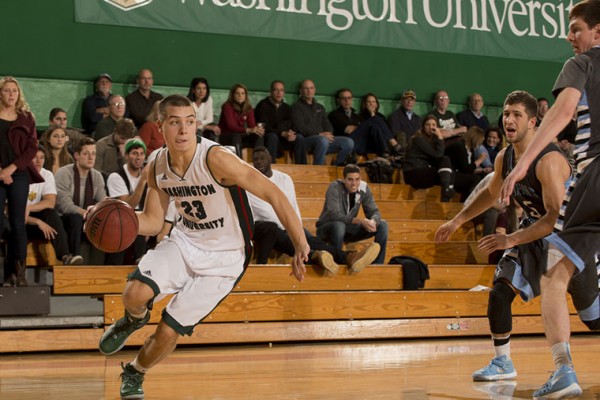
The View From Here 12.7.15
Images captured in and around the Washington University campuses.

Hayes wins American Chemical Society’s 2015 Saint Louis Award
Sophia Hayes, PhD, professor of chemistry in Arts & Sciences at Washington
University in St. Louis, has won the American Chemical Society St. Louis Section’s 2015 Saint Louis Award.
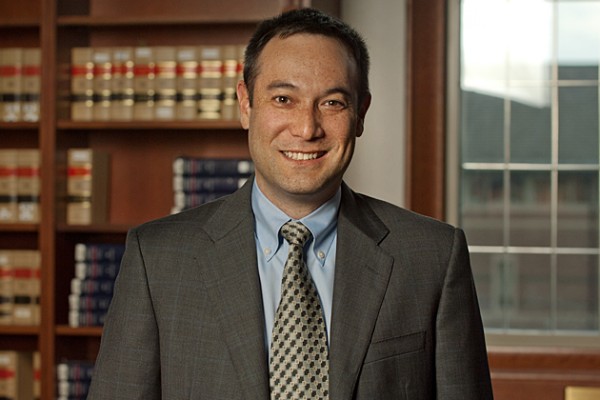
WashU Expert: ‘Thoughts and prayers’ for San Bernardino highlight our deep differences
It’s a response made all too often by politicians in the wake of a mass shooting or violent act of terrorism: Keeping all in “thoughts and prayers.” This week, in the wake of the Dec. 2 shooting incident in San Bernardino, Calif., that sentiment seemed to reached a breaking point and shed light on the wide political and rhetorical chasm dividing the country, said John Inazu, JD, an expert on law and religion at Washington University in St. Louis.
Kulkarni named editor-in-chief of Cancer Genetics journal
Shashikant Kulkarni, PhD, an associate professor of pathology and immunology at the School of Medicine, has been named editor-in-chief of the journal Cancer Genetics.
View More Stories