
WashU Expert: The central issue of the Panama Papers
Journalists continue to sort through and process the so-called “Panama Papers,” millions of financial documents offering a look at how politicians and public figures hide massive amounts of money in offshore accounts. A faculty member at Washington University in St. Louis says the case offers proof of the difficulty of government economic intervention.
Academy of Science-St. Louis honors researchers
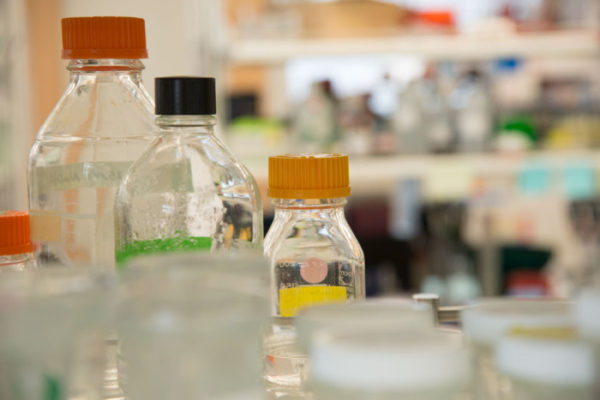
Four researchers at Washington University in St. Louis are being honored as outstanding scientists by the Academy of Science-St. Louis. University recipients of this year’s honors are faculty members Lilianna Solnica-Krezel, Robi D. Mitra, Gary J. Patti and Gary D. Stormo.
Kranzbergs to provide key support for artistic, cultural initiatives at Washington University
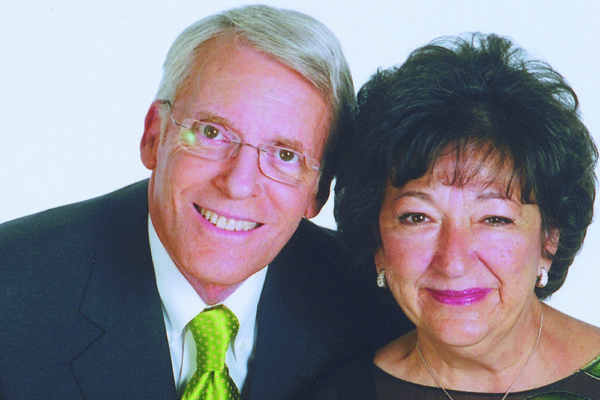
Citing their wish to expand arts and education opportunities, leading local arts patrons Kenneth and Nancy Kranzberg have expressed their intention to make a $2 million gift to Washington University in St. Louis.

Marking territory stifles workplace creativity
Companies often pride themselves on creating a collaborative culture that encourages the free-flow of ideas between colleagues. But a recent study co-authored by Olin Business School’s Markus Baer shows that territorial marking in the office can quickly squash much sought-after workplace creativity.
A radical plan to save the delta
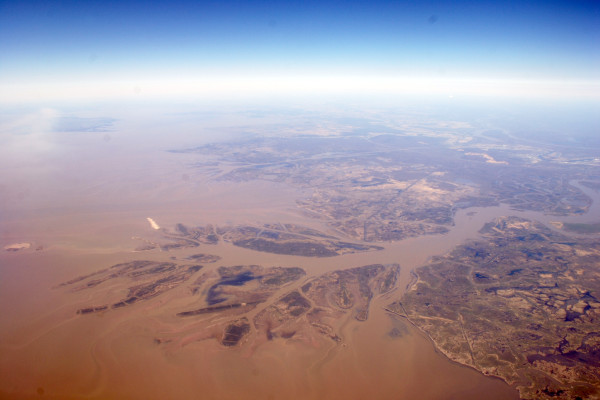
An international cohort of designers, engineers, hydrologists, planners and other professionals — along with a handful of Washington University faculty, students and young alumni — have won a global competition charged with developing a 100-year plan for stabilizing the Mississippi River delta. A delta, says the Sam Fox School’s John Hoal, that’s on life support.

From college student to college adviser
Erin Waddles is one of five Washington University graduates hired to serve the College Advising Corps, a national organization that puts advisers in high schools that serve low-income students. Waddles works full-time at Vashon High School in St. Louis, helping students find the right school, navigate the application process and prep for the ACT.
Challenging an old idea
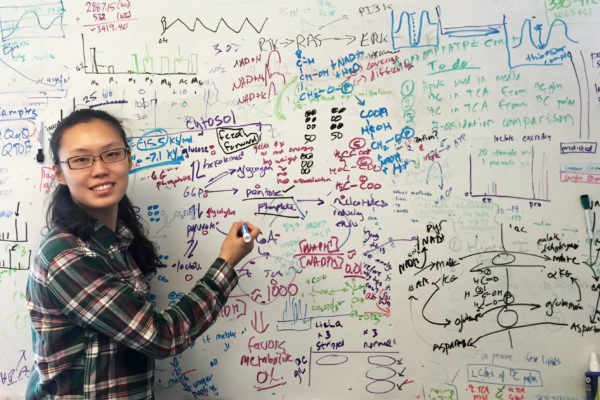
For more than 80 years, scientists have thought that cancer cells fuel their explosive growth by soaking up glucose from the blood, using its energy and atoms to crank out duplicate sets of cellular components. But is this really true? Work in a metabolomics laboratory at Washington University in St. Louis suggests not.

From gowns and grotesques to the little black dress
The Sam Fox School of Design & Visual Arts will present its 87th annual Fashion Design Show April 24 at the Missouri History Museum. The show will feature dozens of models wearing scores of outfits by more than 20 sophomore, junior and senior fashion design students.
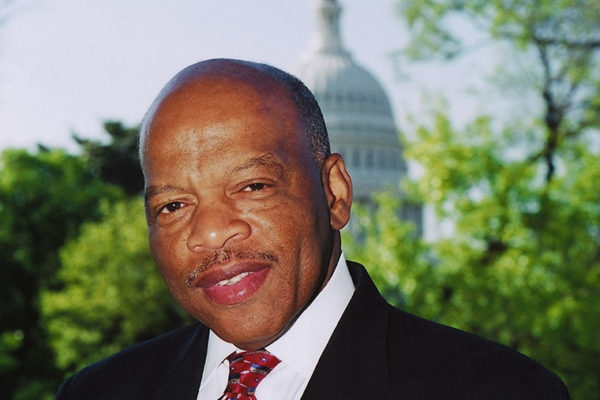
Commencement speaker John R. Lewis: Champion of civil rights
U.S. Congressman John R. Lewis, considered one of the most courageous and influential leaders in the civil rights movement, will give the 2016 Commencement address.
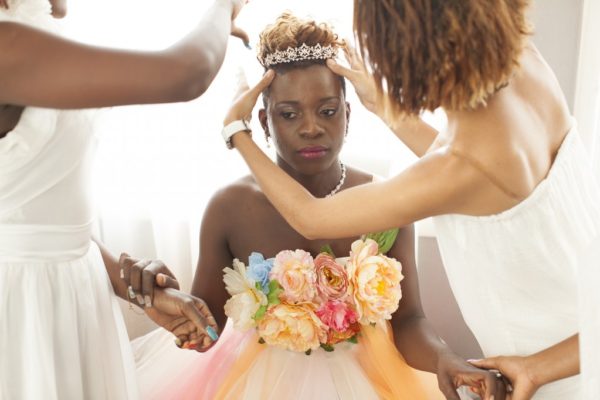
Annual African Film Festival celebrates cultural, linguistic diversity
The African Film Festival, which begins Friday, April 1, offers a lineup of award-winning films that provide a nuanced look at Africa’s cultures and concerns. The festival, which is free and open to the public, runs through Sunday, April 3.
View More Stories