WashU Expert: Advice to Congress on immigration
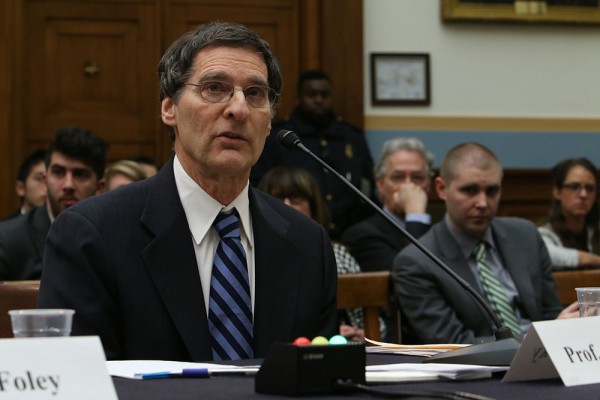
Stephen Legomsky, the John S. Lehmann University Professor Emeritus and noted expert on immigration law, urges the new Congress to pass comprehensive immigration reform.

WashU Expert: Advice to Labor
Adia Harvey Wingfield, professor of sociology in Arts & Sciences at Washington University in St. Louis, specializes in research that examines how the intersections of race, gender and class can affect social processes in the workplace. She offers advice to the Trump administration’s Department of Labor: “I urge the Department of Labor to be mindful of […]
WashU Expert: Advice to public, press, House
Lamar Pierce, associate professor of organization and strategy in the Olin Business School at Washington University in St. Louis, co-authored a 2015 paper, titled “Losing Hurts: The Happiness Impact of Partisan Electoral Loss.” His work focuses on the psychological and economic motivations for productive and destructive behaviors. He offers advice about the need for watchdogs […]

WashU Expert: Advice to public on evidence, science
Joan E. Strassmann is a member of the National Academy of Sciences and the Charles Rebstock Professor of Biology in Arts & Sciences at Washington University in St. Louis, where she studies the evolution of conflict and cooperation. She writes a popular blog on becoming a biology professor with the goal of diversifying the professoriate. […]
Advice to public mindset
Alan Lambert is an associate professor of psychological and brain sciences in Arts & Sciences at Washington University in St. Louis, where he directs the attitude and social cognition laboratory. He offers advice regarding the Trump administration mindset, especially regarding Russia and international relations: “If there is anything that Americans should have learned from Donald […]

WashU Expert: Advice to Congress on environment
Maxine Lipeles, director of the Interdisciplinary Environmental Clinic, urges Congress to continue U.S. participation in the international Paris Accord.
WashU Expert: Advice to FDA, NIH
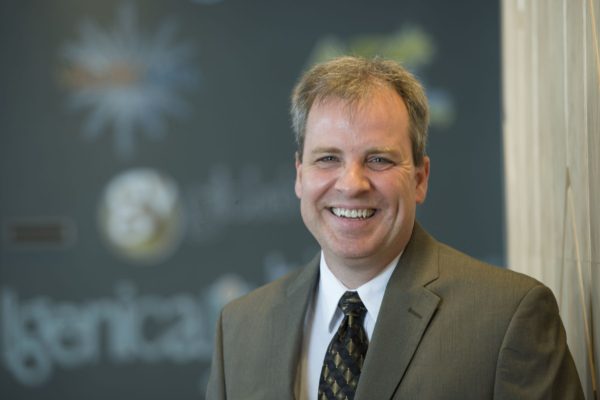
Michael S. Kinch, associate vice chancellor and professor of biochemistry and molecular biophysics in the School of Medicine at Washington University in St. Louis, is director of the Centers for Research Innovation in Biotechnology & Drug Discovery at the university. He is also author of the newly published “Prescription for Change,” an analysis of the looming crisis in the pharmaceutical industry.
WashU Expert: Advice to activists
Clarissa Rile Hayward, an associate professor of political science who studies the politics of power and resistance to power, offers advice for activists and others mobilizing to fight possible attacks on progressive programs during the Trump Administration.

WashU Expert: Advice to journalists
Denying access to journalists is bad government practice, says Greg Magarian, professor of law and expert on Constitutional law, including freedoms of press and of free speech.
WashU Expert: Advice to … First Dog?
Richard Chapman, senior lecturer in film and media studies in Arts & Sciences at Washington University in St. Louis, is a veteran screenwriter and producer from his days in television and film. He offers advice to an animal that doesn’t yet exist because, at last reporting, the Trumps own no pets: “I know things are […]
View More Stories