
Even with genetic predisposition for lung cancer, quitting smoking reduces risk
Quitting smoking improves health and lowers odds of developing lung cancer. But a new study led by the School of Medicine shows that even among smokers with a genetic predisposition to smoking heavily and developing lung cancer at a young age, the benefits of quitting are significant.

Business continuity, emergency management programs merge
In an effort to streamline operations and ensure a seamless response to crises and emergencies, Washington University in St. Louis has integrated its business continuity and emergency management efforts into a unified program that spans the Danforth and Medical campuses.

Don’t cheat sleep
Sleep has been proven to boost grades and happiness. So why do college students deprive themselves of sleep when they need it most? Washington University in St. Louis experts have researched that question and, in response, have launched a new sleep campaign.
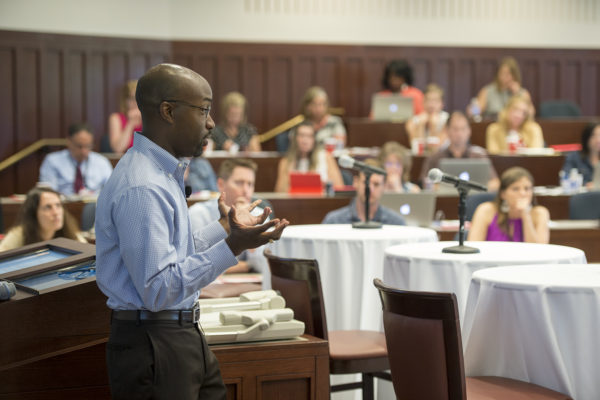
For the Sake of All: The next steps
It’s been three years since the launch of For the Sake of All, the groundbreaking multidisciplinary project on the health and well-being of African Americans in St. Louis. The initiative, led by Jason Purnell, assistant professor at the Brown School, continues to gather momentum as it moves into its third phase: implementation of recommended strategies.
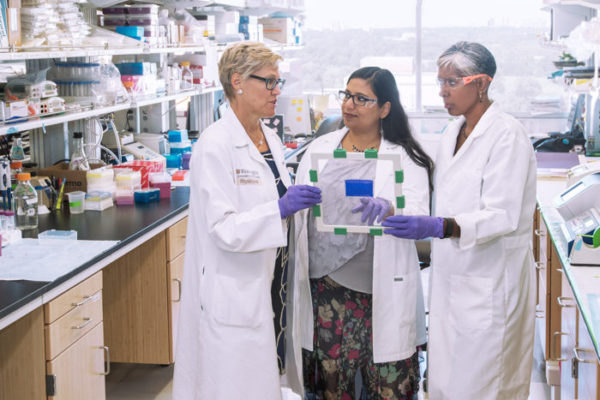
New center focuses on women’s and men’s reproductive health
A new center at Washington University School of Medicine in St. Louis aims to bring together a cadre of faculty members to conduct basic, translational and clinical research focused on reproductive health.

WashU Expert: EpiPen controversy highlights need for price controls
Recent scandals involving high-priced generic drugs should prompt us to consider price controls for pharmaceutical companies, says an expert on the health care industry at the School of Law at Washington University.
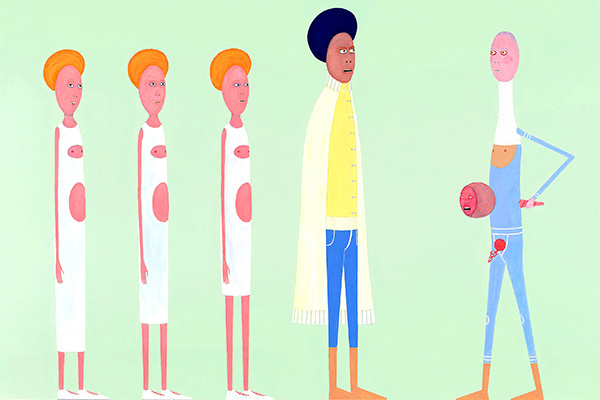
Sam Fox School fall Public Lecture Series
The Sam Fox School of Design & Visual Art will launch its fall Public Lecture Series Sept. 14 and 19 with architect Xiaodu Liu and artist Dario Robleto. Subsequent speakers will include legendary illustrator Seymour Chwast and celebrated alumni Laylah Ali and Tom Friedman.
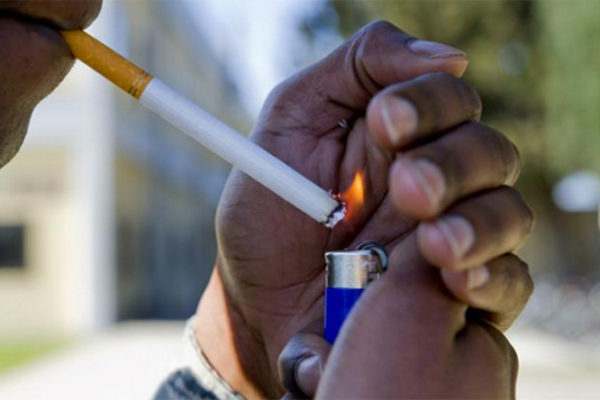
Helping low-income smokers quit
The Brown School’s Health Communication Research Laboratory (HCRL) at Washington University in St. Louis has received a five-year, $2.6 million grant from the National Institutes of Health (NIH) and National Cancer Institute to study ways to help low-income smokers quit smoking through specialized quitlines and helping with basic needs.

Harvard leader appointed associate vice chancellor, dean of Center for Diversity and Inclusion
Emelyn dela Peña, assistant dean of student life for equity, diversity and inclusion in the Office of Student Life at Harvard College, has been appointed associate vice chancellor for student affairs and dean of the Center for Diversity and Inclusion at Washington University in St. Louis, effective Oct. 31.

Why ‘O’ blood types may be more likely to die of cholera
People with blood type O often get more severely ill from cholera than people of other blood types. New research from Washington University School of Medicine in St. Louis may explain why.
View More Stories