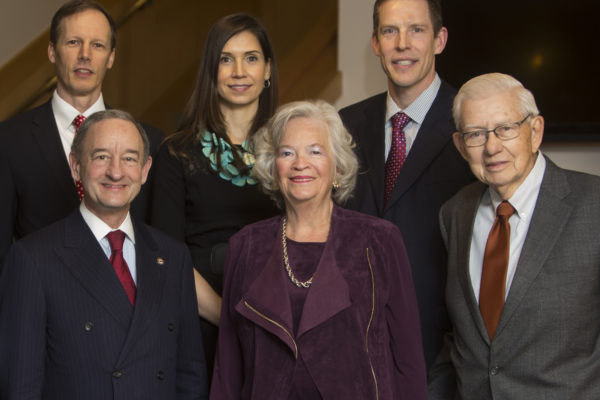
New engineering building to be named for school’s former dean
Washington University in St. Louis has announced that the next building in its engineering complex will be named in honor of James M. McKelvey Sr., for 27 years the dean of the School of Engineering & Applied Science. James M. McKelvey, Sr. Hall will house the Department of Computer Science and Engineering and is made possible by a lead commitment of $15 million from Washington University alumnus and McKelvey’s son, Jim Jr.
Mental illness genetically linked to drug use and misuse, study finds
If mental illness runs in your family, your genetic makeup may also make you more likely to use drugs and alcohol, suggests new research from Washington University in St. Louis.
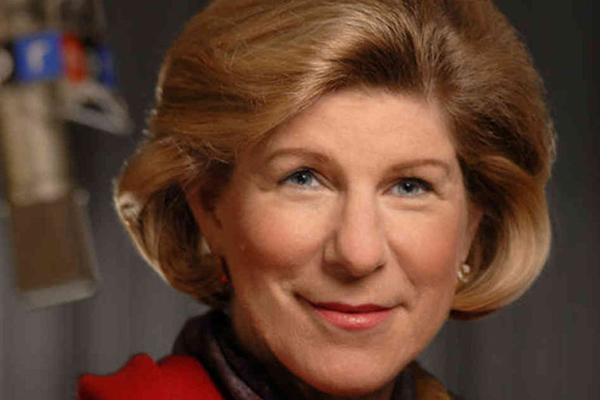
Totenberg to headline annual Founders Day celebration
Supreme Court expert Nina Totenberg will headline this year’s Founders Day celebration on Nov. 5 at St. Louis Union Station. Other highlights of the event include presentation of the university’s Distinguished Faculty Awards and Distinguished Alumni Awards.
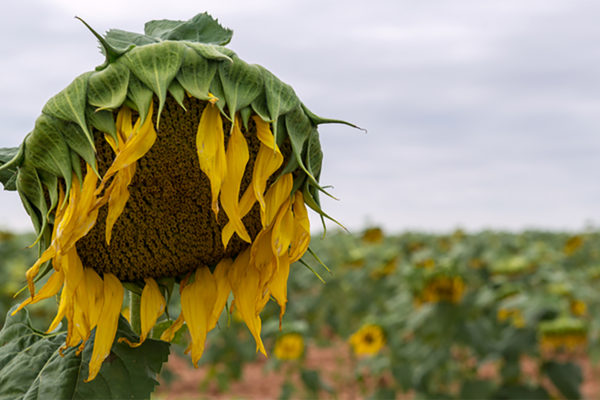
Mutant plants reveal temperature sensor
In a serendipitous moment, scientists studying light sensing molecules in plants have discovered that they are also temperature sensors.The discovery may eventually allow them to design crop varieties that are better able to cope with a warming world.
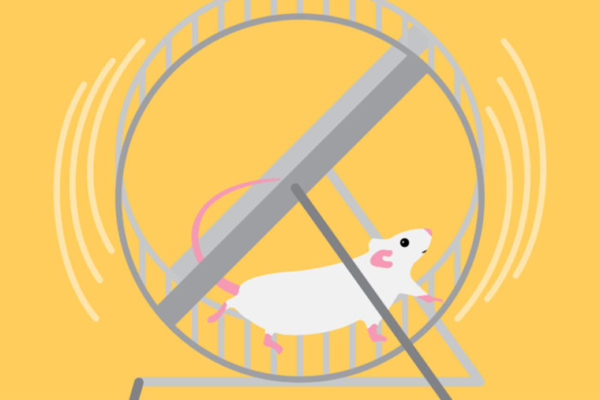
Natural compound reduces signs of aging in healthy mice
Scientists at the School of Medicine have shown that supplementing healthy mice with a natural compound called NMN can compensate for a loss of energy production in aging cells, reducing typical signs of aging such as gradual weight gain, loss of insulin sensitivity and declines in physical activity.
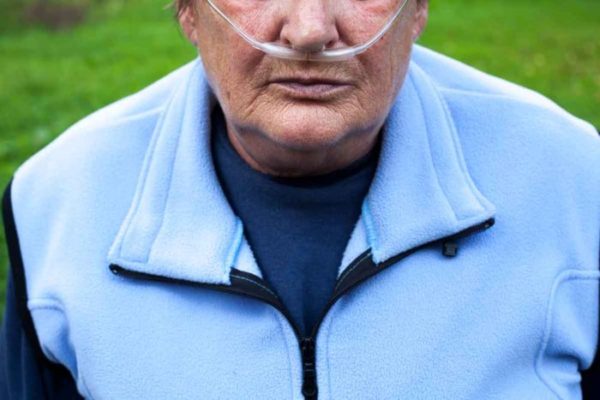
For some COPD patients, portable oxygen treatment provides no benefit
Patients with chronic obstructive pulmonary disease (COPD) often receive portable oxygen therapy to help raise oxygen levels and allow them to breathe easier. But a major study published Oct. 26 in The New England Journal of Medicine indicates that supplemental oxygen does not benefit a large group of patients with COPD: those with moderately low levels of oxygen in the blood.
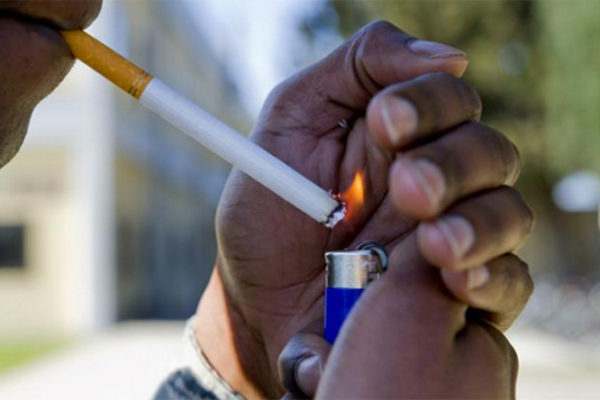
Examining the effects of regulating tobacco sales
State actions to regulate retail sales of tobacco nearly doubled between 2012 and 2014, according to new research from the Brown School at Washington University in St. Louis, but much of the activity was directed at e-cigarettes, perhaps the least harmful tobacco product.
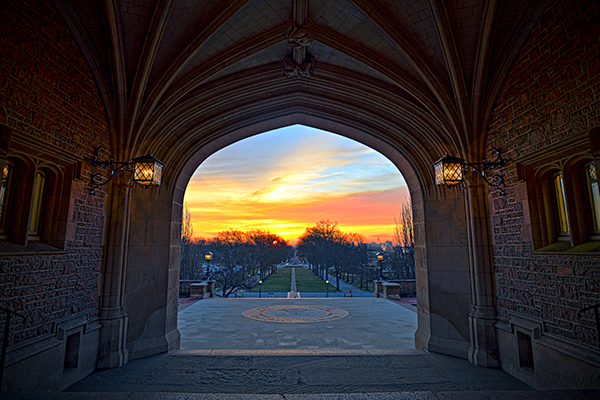
Washington University honored as International Humanitarian of the Year
In recognition of significant contributions to solving global humanitarian issues, the World Affairs Council of St. Louis has selected Washington University to receive the 2016 International Humanitarian of the Year Award. The university will be honored at a gala event to be held Thursday, Oct. 27, at the Chase Park Plaza hotel.
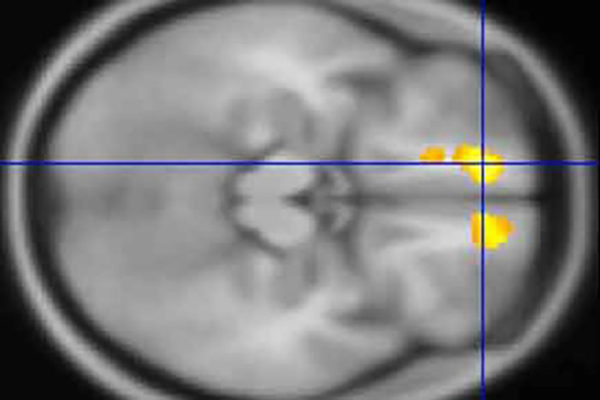
Brain scans of children with Tourette’s offer clues to disorder
Using MRIs, researchers at the School of Medicine have identified areas in the brains of children with Tourette’s syndrome that appear markedly different from the same areas in the brains of children who don’t have the neuropsychiatric disorder. The findings were published online Oct. 25 in the journal Molecular Psychiatry.
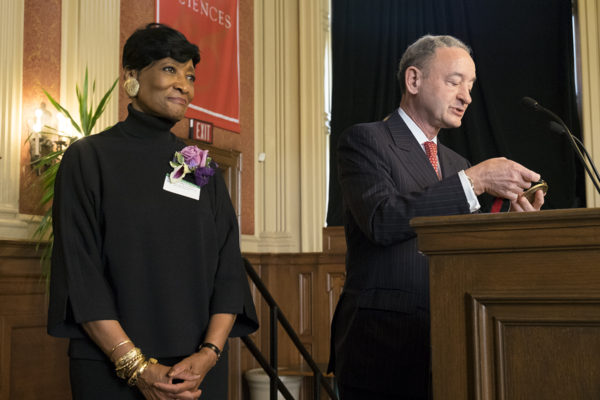
Camp Yeakey named Marshall S. Snow Professor
Carol Camp Yeakey, a professor of education, of urban studies, of international and area studies and of American culture studies, all in Arts & Sciences, has been named the Marshall S. Snow Professor in Arts & Sciences at Washington University in St. Louis.
View More Stories