
Eggs significantly increase growth in young children
Eggs significantly increased growth and reduced stunting by 47 percent in young children, finds a new study from a leading expert on child nutrition at the Brown School at Washington University in St. Louis. This was a much greater effect than had been shown in previous studies.
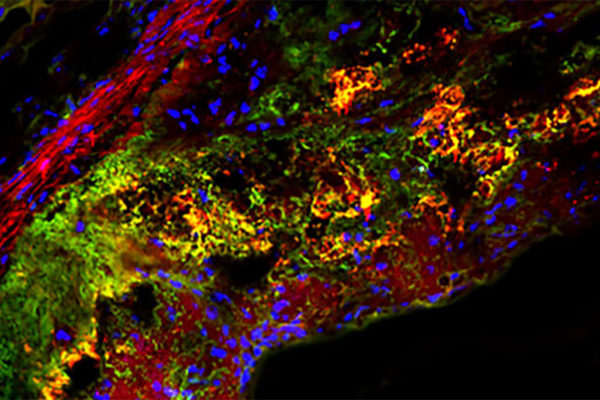
Type of sugar may treat atherosclerosis, mouse study shows
Researchers from the School of Medicine have found that the immune system may be triggered to treat atherosclerosis and possibly other metabolic conditions, including fatty liver disease and type 2 diabetes.
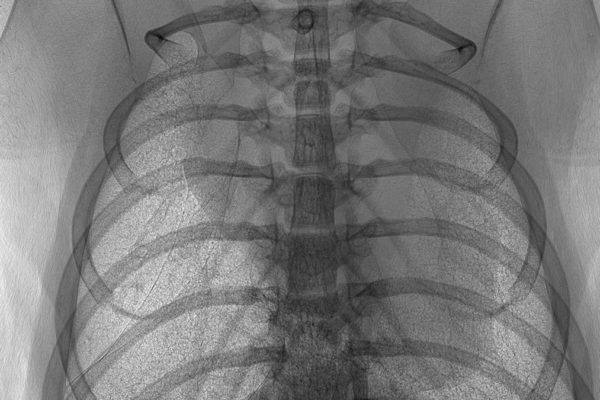
A better look at the lungs
The National Institutes of Health awarded a biomedical engineer at Washington University in St. Louis a 4-year, $1.7 million grant to attempt to develop a new way to image airflow in lungs. The research could someday make diagnoses of lung disease easier and more cost-effective.
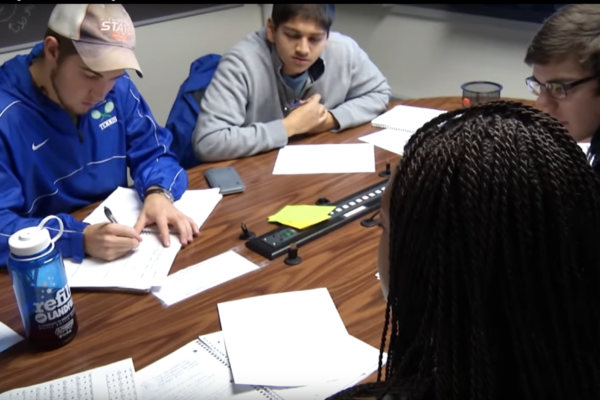
Washington University selected for $1 million HHMI Inclusive Excellence Initiative
Washington University in St. Louis is one of 24 schools selected to receive $1 million grants as part of a new HHMI initiative to help colleges and universities foster success in science for all students, especially undergraduates who enter four-year institutions via nontraditional pathways.

WashU Expert: Trump’s withdrawal from Paris Agreement a play to his base
President Donald Trump has made the decision to pull the U.S. out of the 2015 Paris climate agreement, a move that that cannot be justified on the stated grounds for withdrawal, says an expert in environmental law at Washington University in St. Louis.
Statement from Chancellor Wrighton regarding President Trump’s decision to withdraw the United States from the Paris Climate Change Accord
On behalf of Washington University, Chancellor Mark S. Wrighton issued a statement regarding President Trump’s decision to withdraw the United States from the Paris Climate Change Accord.
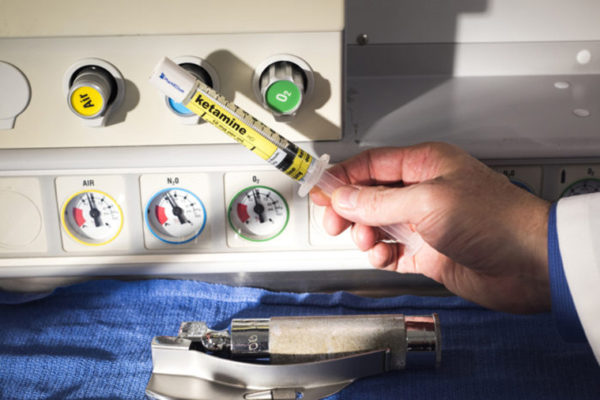
Drug believed to reduce postoperative pain and delirium does neither
A new study by anesthesiologists at Washington University School of Medicine in St. Louis and the University of Michigan Medical School sheds new light on the drug ketamine.
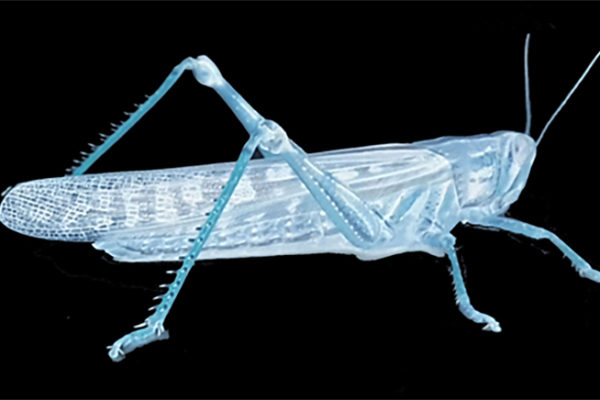
What a locust’s nose taught engineers about monkeys’ ears
A team of biomedical engineers at Washington University in St. Louis recently completed a study offering profound implications for how sensory information may be encoded in the brain.
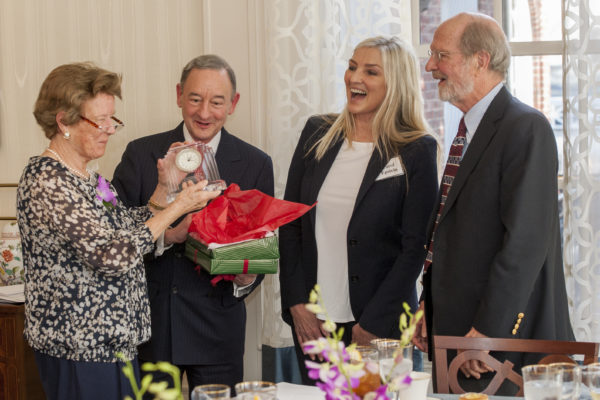
Anne and John McDonnell receive Harris award
Philanthropists Anne and John McDonnell became the 18th couple awarded the annual Jane and Whitney Harris St. Louis Community Service Award, which honors a St. Louis husband-and-wife team who contributed in an outstanding manner to the civic and cultural well-being of the region.
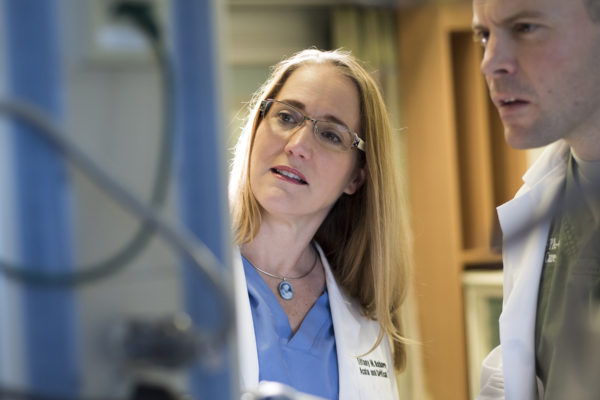
Study urges aggressive treatment for sepsis
Tiffany M. Osborn, MD, professor of surgery and of emergency medicine at Washington University School of Medicine in St. Louis is a leading expert in sepsis. She co-authored a study published May 21 in The New England Journal of Medicine that stresses the need for an aggressive response to the condition.
View More Stories