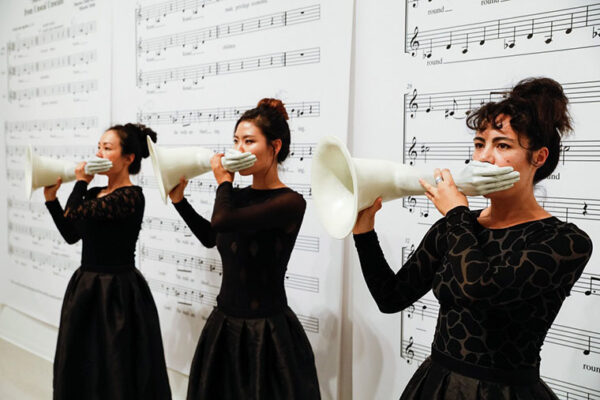
Elana Mann and Erik L. Peterson win Stone & DeGuire Contemporary Art Awards
Los Angeles sculptor Elana Mann and Chicago public artist Erik L. Peterson have won the 2019 Stone & DeGuire Contemporary Art Awards, presented by the Sam Fox School of Design & Visual Arts at Washington University in St. Louis. Each winner will receive $25,000 to advance their studio practice.
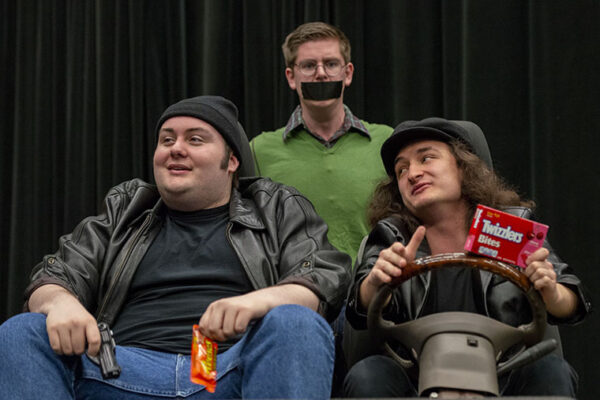
PAD presents ‘Florida’ April 11-14
The Performing Arts Department presents the world premiere of “Florida,” a new play by recent alumnus Lucas Marschke, April 11-14 in the A.E. Hotchner Studio Theatre. Workshopped last fall as part of the A. E. Hotchner Playwriting Festival, the play recounts a dysfunctional vacation for the ages.
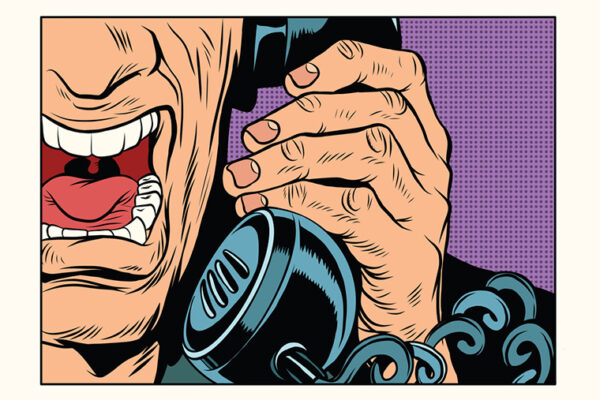
It doesn’t pay to play angry when negotiating
A new paper, authored by Washington University in St. Louis faculty and alumni from Olin Business School, reports findings from five different studies of subjects in a negotiation agreement. The takeaway: inorganic anger generally leaves parties of both parts feeling guilty, distrusted and needing to make amends afterward.

Creating sustainable bioplastics from electricity-eating microbes
Researchers in Arts & Sciences at Washington University in St. Louis have figured out how to feed electricity to microbes to grow truly green, biodegradable plastic, as reported in the Journal of Industrial Microbiology and Biotechnology.
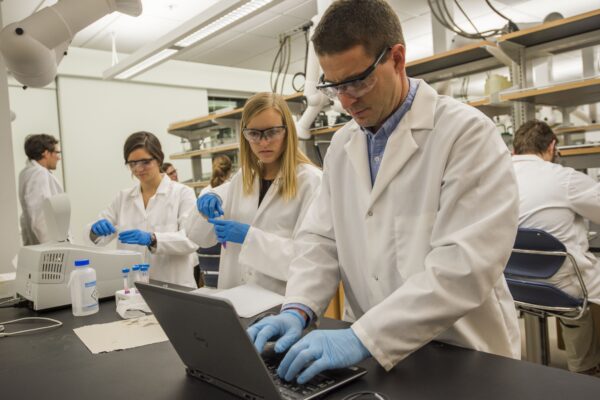
McKelvey School of Engineering debuts undergraduate environmental engineering degree
Beginning in the fall of 2019, Washington University in St. Louis will welcome its first cohort of students who will graduate with a bachelor’s degree in environmental engineering. Unlike traditional environmental engineering programs with strong ties to civil engineering, this new degree will have a chemical engineering flavor.
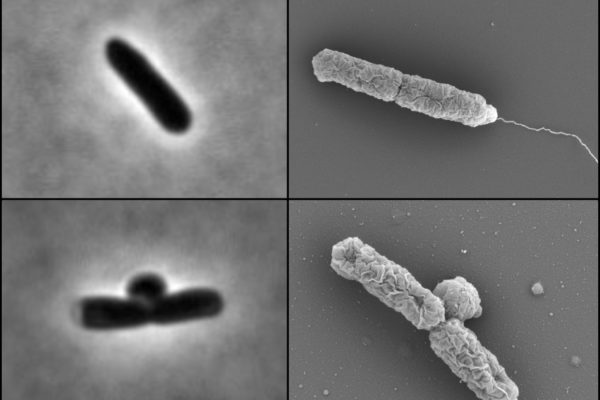
Specialist enzymes make E. coli antibiotic resistant at low pH
New research from Arts & Sciences suggests that many “redundant” enzymes are actually specialists that ensure maximal growth across different environments. They also seem to increase resistance to antibiotics in conditions like those in the GI tract or urinary tract — raising concerns that current antibiotic susceptibility tests are inadequate.
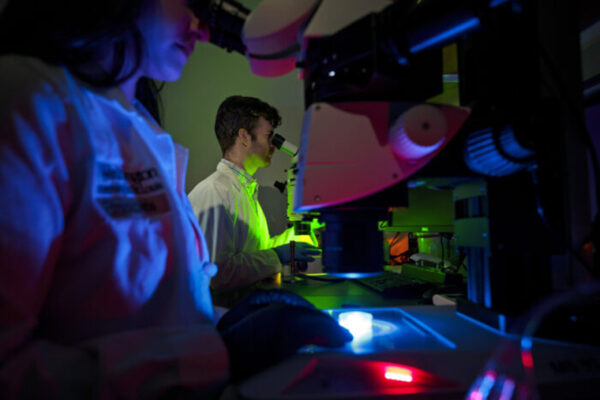
Centene and Washington University collaborate to advance personalized medicine research
Centene Corp. and the School of Medicine announced a partnership April 8 to transform and accelerate research into treatments for Alzheimer’s disease, breast cancer, diabetes and obesity. As part of the partnership, Centene will fund up to $100 million over 10 years in research at the university.

Olin Award-winning research: Sifting inhuman options for human choices
Two Olin Business School faculty members at Washington University in St. Louis collaborated to create a new customer choice algorithm designed to better populate six available slots for products in online stores hosted by Alibaba. Their model produced 28% higher revenues in one week — or nearly $22 million. The study earned them the 2019 Olin Award.
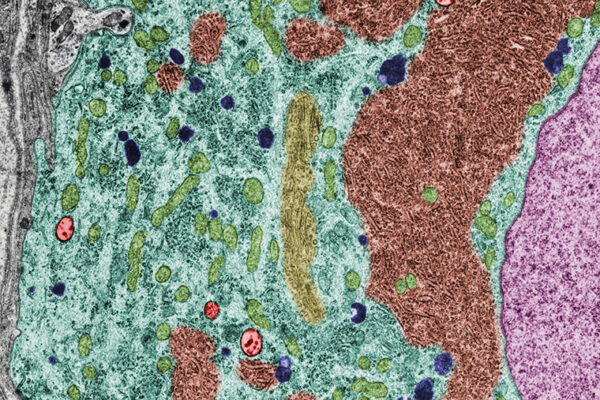
Tidying up: A new way to direct trash to autophagy
Marie Kondo herself couldn’t do it any better. Now researchers at Washington University in St. Louis have uncovered a previously unknown structural feature of living cells that is critical to tidying up.
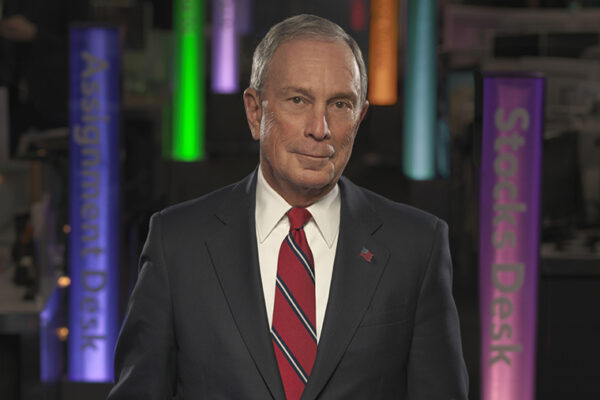
Michael Bloomberg to deliver Commencement address
Michael R. Bloomberg, 108th mayor of New York City and founder of Bloomberg LP and Bloomberg Philanthropies, will deliver the 2019 Commencement address May 17 at Washington University in St. Louis, according to Chancellor Mark S. Wrighton.
View More Stories