
Allman, Solnica-Krezel receive faculty achievement awards
Jean Allman and Lilianna Solnica-Krezel will receive Washington University’s 2021 faculty achievement awards, Chancellor Andrew D. Martin announced. Also, Aaron DiAntonio and Jeffrey Milbrandt, at the School of Medicine, will be recognized for innovation and entrepreneurship.

Sugar-sweetened drinks linked to increased risk of colorectal cancer in women under 50
A new study led by the School of Medicine has found a link between consuming sugary drinks and an increased risk of colorectal cancer among women under 50. The findings could help explain the rising rates of colorectal cancer among younger adults.

Clothes, confidence and the stubbornness of joy
Fashion design majors from the Sam Fox School of Design & Visual Arts will present their work at 4 p.m. May 15 as part of the 92nd Annual Fashion Design Show. Filled with sleek silhouettes, saturated palettes and crazy-quilt textures, the show — titled “The Collective” — is a full-throated rejection of pandemic-era dourness.
Six to receive honorary degrees from Washington University
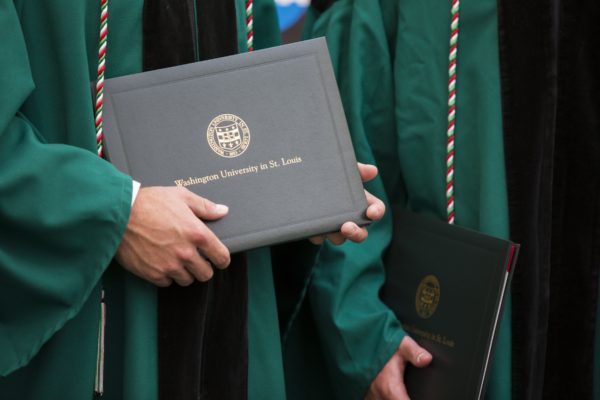
The university will award six honorary degrees during its 160th Commencement ceremonies, May 20-21. Among the recipients is NBA great and humanitarian Kareem Abdul-Jabbar, who will deliver the Commencement address.

Olin earns rare triple accreditation, launches online MBA for digitally enabled leaders
Washington University in St. Louis’ Olin Business School is the only highly ranked business school in the United States to earn triple accreditation. Fewer than 1% of all business schools globally hold this distinction.
FDA menthol ban would benefit Black, younger Americans
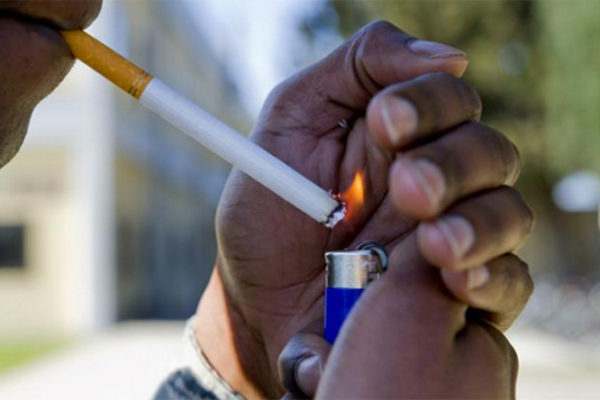
The U.S. Food and Drug Administration’s proposed ban on menthol flavored cigarettes and all flavored cigars could be particularly beneficial for Black and young people, says an expert on tobacco control at Washington University in St. Louis.
Bai lab develops stable, efficient, anode-free sodium battery
The lab of Peng Bai has developed a stable, anode-free sodium ion battery that is highly efficient, will be less expensive and is significantly smaller than a traditional lithium ion battery.
Wealth, status could not shield 19th-century families from parasitic infection
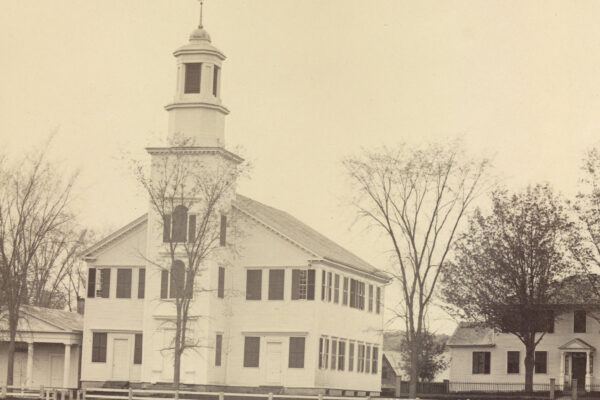
New research conducted by Theresa Gildner, assistant professor of archaeology in Arts & Sciences, suggests that parasitic disease was likely widespread in New England during 19th century, even in remote rural areas and in wealthy households.
Public Safety Committee recommendations to be adopted, implemented
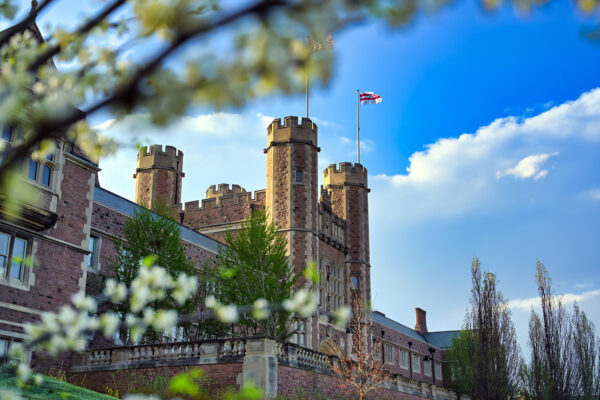
Washington University in St. Louis announced details of its plan to adopt recommendations made in a recent Public Safety Committee report.
Inside the Lewis Collaborative
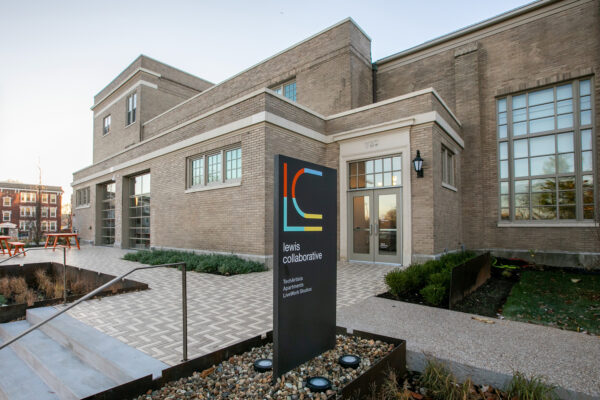
The charge was ambitious. Conditions were complicated. The results have been transformative. Here’s how the Lewis Collaborative reinvented a century-old University City landmark.
View More Stories