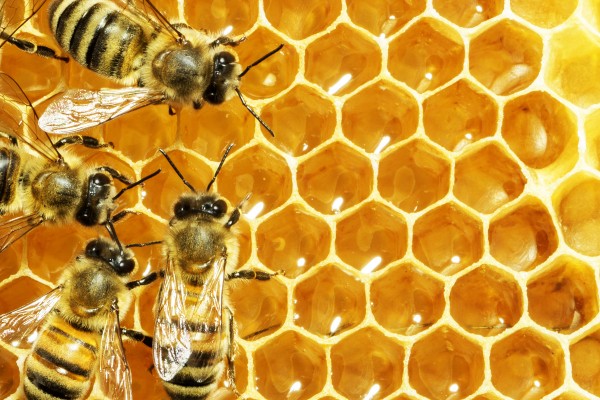
The secret life of bee genes
Genes inherited from mothers (matrigenes) and fathers (patrigenes) usually work harmoniously in the offspring. However, kin selection theory predicts these genes may be in conflict in interactions among relatives in which they are unequally represented (half-siblings). In honey bees, patrigenes are predicted to favor daughters that lay eggs themselves rather than remaining sterile and rearing their half-sisters’ offspring. An experimental test bears out this prediction.

Is your toddler ready for reading lessons?
Even before they can read, children as young as three years of age are beginning to understand how a written word is different than a simple drawing — a nuance that could provide an important early indicator for children who may need extra help with reading lessons, suggests new research from Washington University in St. Louis.
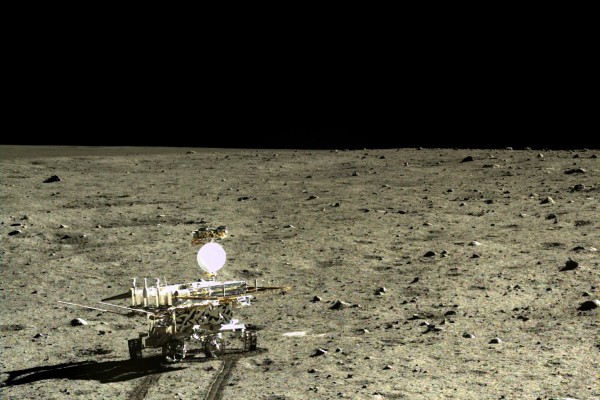
New moon rock offers clues to moon’s formation
The Moon was never a fully homogenized body like Earth, analysis of Moon rocks made by the Chinese rover, Yutu, suggests. The basalts the rover examined are a new type, chemically different from those retrieved by the Apollo and Luna missions 40 years ago.

Forensic seismology tested on 2006 munitions depot ‘cook-off’ in Baghdad
Curious seismologists who looked at the recordings made by a seismic station four miles away from the “cook-off” of an ammunition holding area in Iraq in 2006 found they could distinguish, mortars, rockets, improvised explosive devices, helicopters and drones. Seismology is increasingly being used for investigative purposes, they said, not just to detect earthquakes.
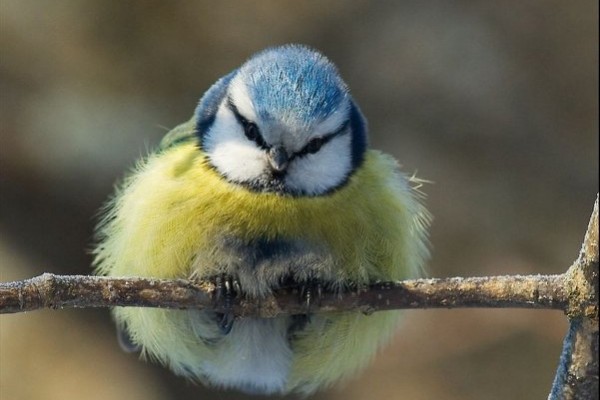
Why animals have fur, blubber and big ears
Biologists have long thought that body size is correlated with temperature zone: larger animals live in colder regions and smaller ones in warmer ones. Newly compiled physiological data allowed this rule to be put to the test. Animals adapt by coordinated changes in their metabolic rates and “insulation.” Body size plays only a minor role.
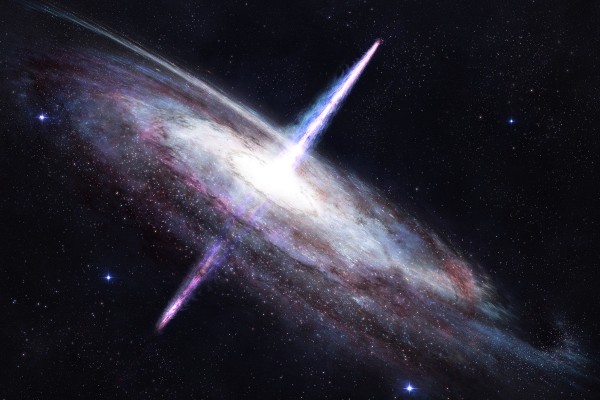
Spectacular outburst lets scientists peer into quasars
An outburst from a distant quasar known as PKS 1441+25 in April of this year gave astronomers at the gamma-ray telescope VERITAS an opportunity to measure the density of the optical “fog” that lies between the quasar and Earth and to deduce the surprising separation of the high-energy emission from the black hole that drives it.
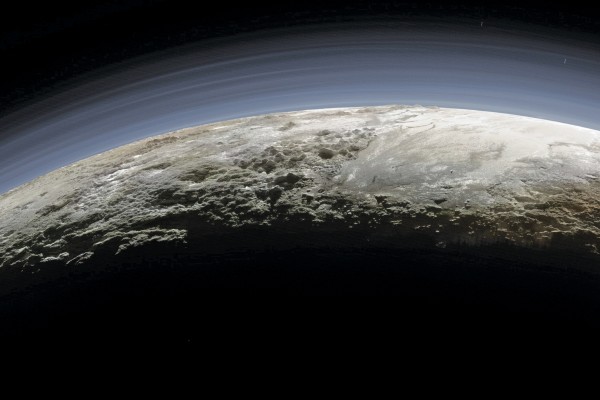
Discovering new horizons
After a nearly 10-year wait, planetary scientist William McKinnon, PhD, provides an inside look at New Horizons’ spectacular flyby of Pluto and its first discoveries coming into focus.
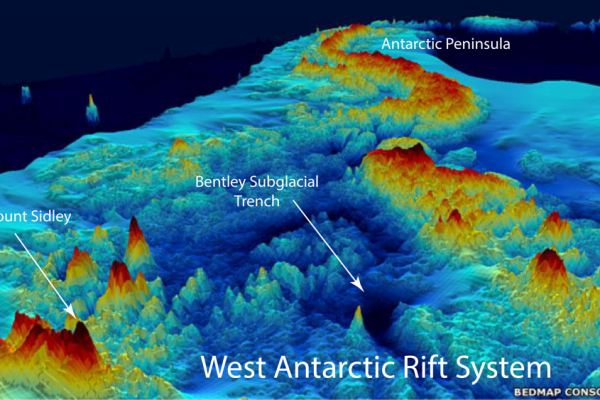
The geography of Antarctica’s underside
Scientists were able to deploy ruggidized seismometers that could withstand intense cold in Antarctica only recently. A line of seismometers strung across the West Antarctic Rift Valley and the Marie Byrd Land have given geologists their first good look at the mantle beneath the ice and rocks, revealing areas of hot rock that might affect the behavior of the overlying ice sheet.
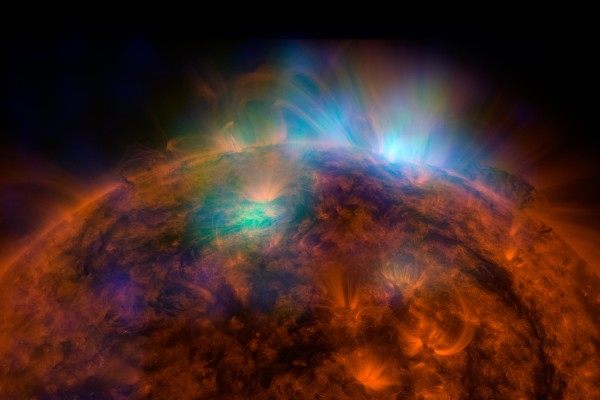
Physicist awarded $1.3 million for development of detectors for hard X-ray telescopes
Henric Krawczynski, PhD, professor of physics in Arts
& Sciences at Washington University in St. Louis, has won a $1.3 million NASA grant to develop semiconductor detectors and their readout electrons for the
next generation of X-ray telescopes.

Marijuana dependence influenced by genes, childhood sexual abuse
Genetic variation within the endocannabinoid system may explain why some survivors of childhood adversity go on to become dependent on marijuana, while others are able to use marijuana without problems, suggests new research from Washington University in St. Louis.
Older Stories