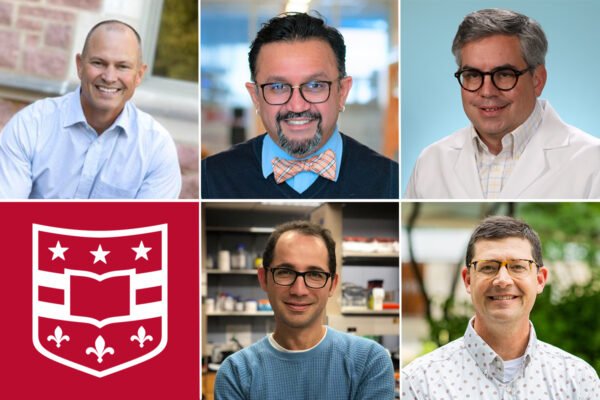
Five WashU faculty receive grants for innovative cancer research
The American Cancer Society and venture capital firm Yosemite have selected five WashU faculty to receive the inaugural ACS-Yosemite research grants.

US earns D- on latest youth physical activity report card — again
The U.S.’ D- grade for children and youth physical activity offers an opportunity to address the problem of insufficient physical activity, said Elizabeth Dodson, research assistant professor in the Brown School and a member of the Report Card Research Advisory Committee.
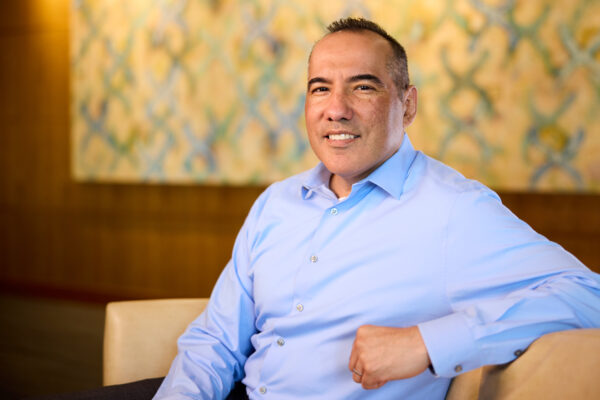
Garcia named fellow of American Chemical Society
Benjamin Garcia, the Raymond H. Wittcoff Distinguished Professor and head of the Department of Biochemistry and Molecular Biophysics at WashU Medicine, has been named an American Chemical Society fellow, one of 37 in this year’s class of fellows.

WashU researchers use genetics to find psychopathology risks
Researchers at Washington University are identifying behavioral, environmental and neural factors through which genetic risk for mental health problems is expressed in youth.
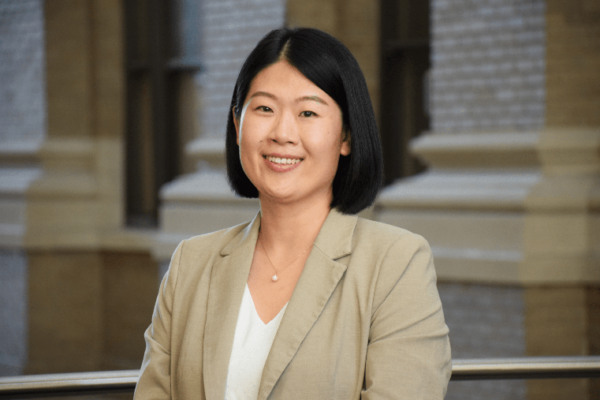
Zhang receives doctoral dissertation award
Linying Zhang, an assistant professor of biostatistics at WashU Medicine, received the American Medical Informatics Association 2024 Edward H. Shortliffe Doctoral Dissertation Award honorable mention.
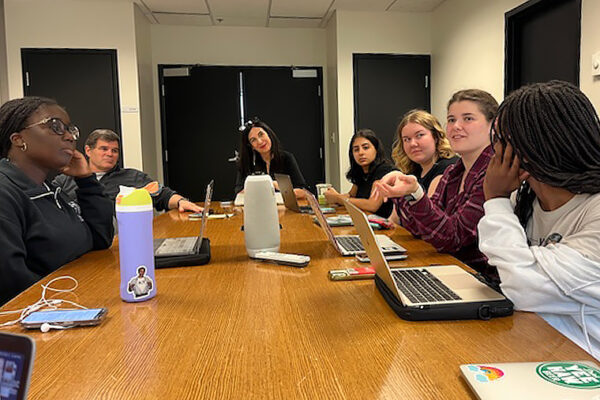
Arts & Sciences kicks off Public Health & Society program
WashU officially will launch the Program in Public Health & Society — including a major and minor — at a celebratory event Monday, Oct. 21. The program, in Arts & Sciences, offers a distinctive interdisciplinary approach to public health.

Creating healthier futures: The science behind public health
The Prevention Research Center is tackling health disparities with evidence-based solutions that improve outcomes in underserved communities. From expanding Brazil’s “Academia da Saude” to over 1,000 cities, to training 4,000 public health professionals worldwide, the center is driving lasting improvements.
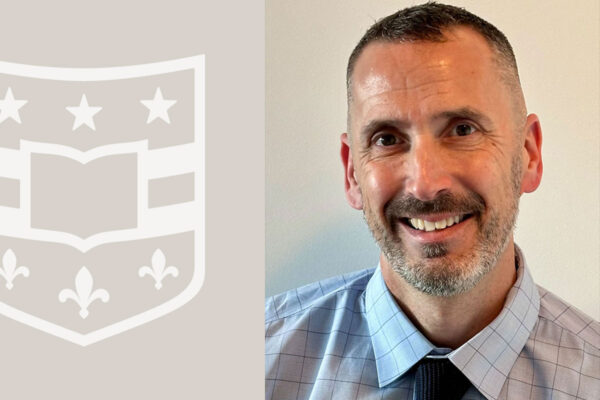
Nickolas to lead Division of Bone and Mineral Diseases
Thomas Nickolas, MD, a respected clinical nephrologist and researcher focused on kidney disease and bone health, has been named the next director of the Division of Bone and Mineral Diseases in the Department of Medicine at Washington University School of Medicine in St. Louis.

Falling for fall prevention
Through low-cost, personalized home modifications, occupational therapist Susy Stark helps elderly residents stay safe and independent.
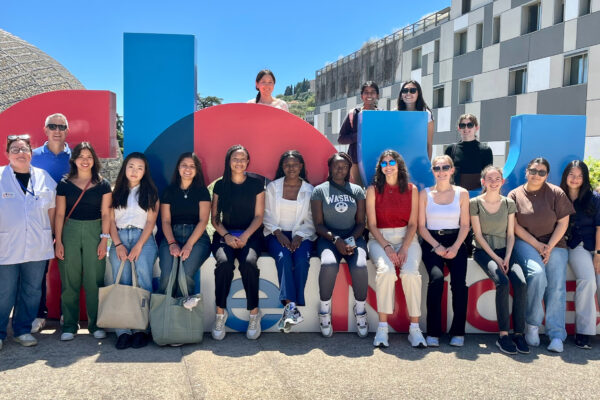
Learning the French way to better health
After a pandemic pause, WashU undergrads were back at Hôpital Pasteur on the French Riviera over the summer, learning why the French live healthier and longer than anyone else in the industrialized world.
Older Stories