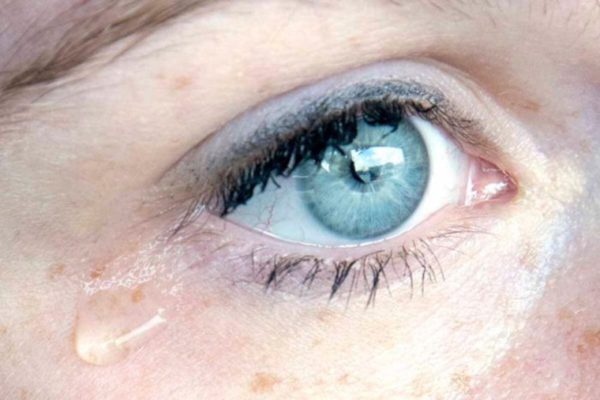
Evidence of Zika virus found in tears
Researchers have found that Zika virus can live in eyes and have identified genetic material from the virus in tears, according to a study from the School of Medicine. The research, in mice, helps explain why some Zika patients develop eye disease, including a condition that can lead to permanent vision loss.

Even with genetic predisposition for lung cancer, quitting smoking reduces risk
Quitting smoking improves health and lowers odds of developing lung cancer. But a new study led by the School of Medicine shows that even among smokers with a genetic predisposition to smoking heavily and developing lung cancer at a young age, the benefits of quitting are significant.
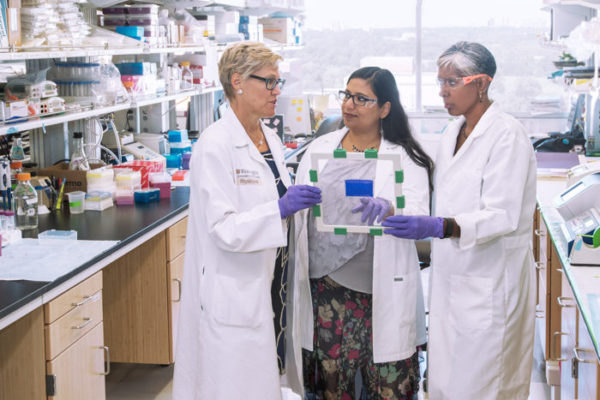
New center focuses on women’s and men’s reproductive health
A new center at Washington University School of Medicine in St. Louis aims to bring together a cadre of faculty members to conduct basic, translational and clinical research focused on reproductive health.
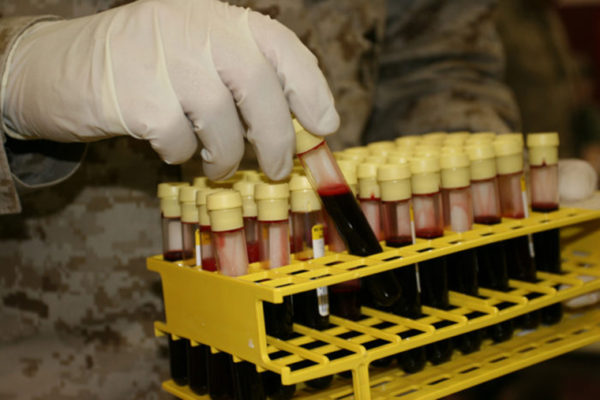
Why ‘O’ blood types may be more likely to die of cholera
People with blood type O often get more severely ill from cholera than people of other blood types. New research from Washington University School of Medicine in St. Louis may explain why.

Center for Diabetes Translation Research gets $3.7 million grant
The Center for Diabetes Translation Research, led by Debra Haire-Joshu, the Joyce Wood Professor at the Brown School, has been awarded $3.7 million to continue five years of funding by the National Institute for Diabetes and Digestive and Kidney Diseases, a National Institutes of Health institute.

Excess weight linked to 8 more cancer types
An international team of researchers, including Washington University School of Medicine in St. Louis, has identified eight additional types of cancer linked to excess weight and obesity: stomach, liver, gall bladder, pancreas, ovary, meningioma (a type of brain tumor), thyroid cancer and the blood cancer multiple myeloma. Limiting weight gain over the decades could help to reduce the risk of these cancers, the data suggest.
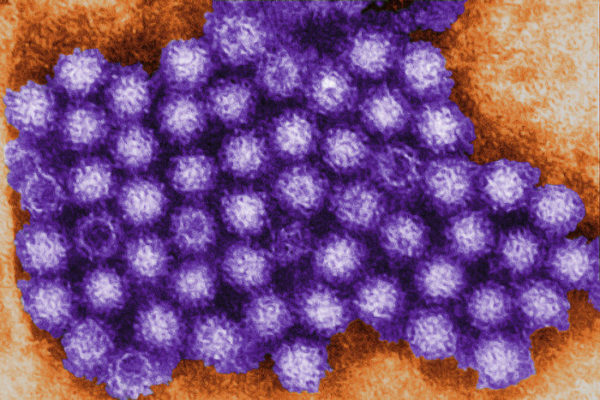
New clues found to how ‘cruise-ship’ virus gets inside cells
Researchers at Washington University School of Medicine in St. Louis have identified the protein that norovirus uses to invade cells. The discovery, in mice, provides new ways to study a virus notoriously hard to work with and may lead to treatments or a vaccine.

Acetaminophen does not worsen children’s asthma symptoms
But a new study in young children with asthma — co-authored by the School of Medicine’s Leonard B. Bacharier, MD — compared acetaminophen to ibuprofen. It showed no difference in the severity of asthma symptoms between the two medications.

Long-term exposure to female scent changes courtship behavior in male mice
A kind of neuron found only in male mice and that detects a pheromone in female urine has been identified by researchers at the School of Medicine. But the sex difference is not hard-wired. By manipulating the mice’s living conditions and exposing male mice to female scents for long periods of time, the scientists showed that males lost these neurons and their interest in courting females.
$10.4 million awarded for pancreatic cancer research
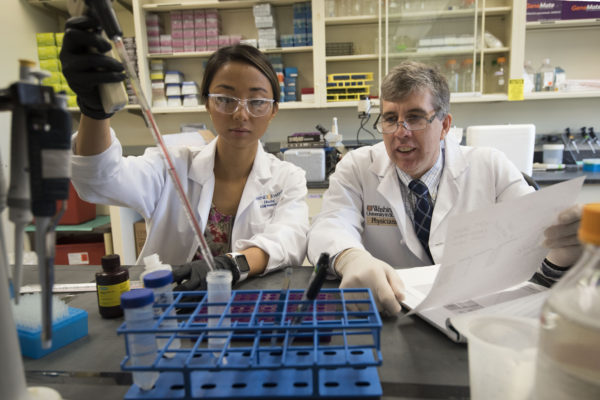
The National Cancer Institute (NCI) has awarded a $10.4 million, five-year grant to Washington University researchers and physicians at Siteman Cancer Center to lead a national group of experts in collaborative pancreatic cancer research.
Older Stories