
Alleviating human suffering
Longtime supporters of the medical school, Debra and George Couch are focused now on helping advance discoveries through precision medicine.
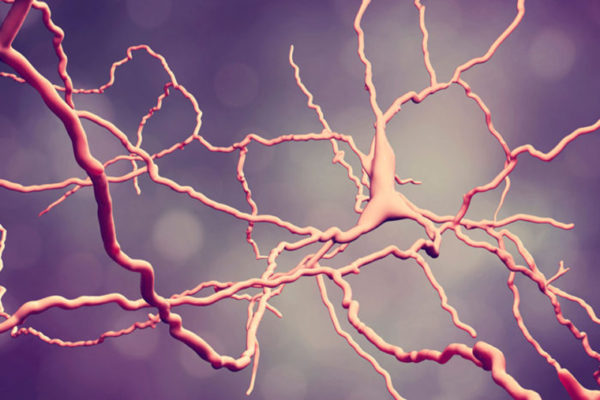
Drugs that suppress immune system may protect against Parkinson’s
Parkinson’s disease is caused by the injury or death of brain cells known as dopaminergic neurons. A new School of Medicine study shows that people who take drugs that suppress the immune system are less likely to develop the disease, which is characterized by difficulty with movement.
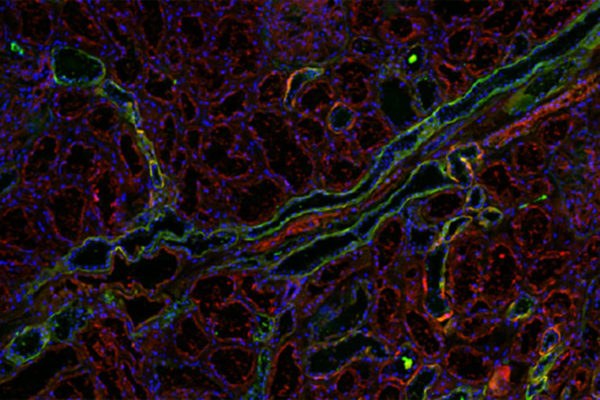
Decoy molecules target E. coli to treat UTIs in mice
School of Medicine researchers report they found a way to treat urinary tract infections without using antibiotics, at least in mice. The scientists are working on an alternative that would prevent bacteria from causing disease.

Pursuing a precision paradigm
Why move from current standards of patient care to a more personalized approach to treatment? Experts at the School of Medicine describe today’s medical landscape as they plan for the care — and cures — of the future.
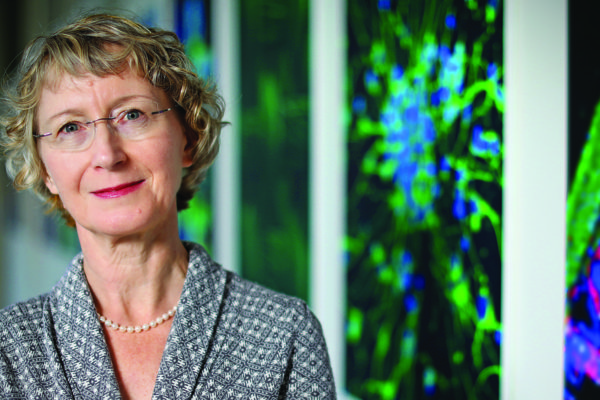
Building the foundation for discovery
The School of Medicine is building the necessary infrastructure through centers and institutes to allow research that is more efficient and cost-effective, and that encourages high risks leading possibly to key breakthroughs.

Undaunted explorer
Timothy Ley, MD, has been investigating leukemia, particularly acute myeloid leukemia (AML), for decades. His research team now knows the mutations they need to go after aggressively, the nature of the mutations that need to be targeted and why patients relapse.
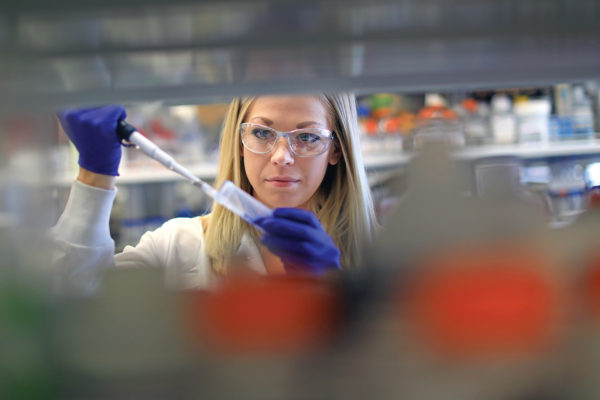
A promising future
At Washington University, training the next generation of leaders in translational medicine is a key focus. Here, Cheryl Leyns and Phat Huynh share stories of working in the lab of David Holtzman, MD, researching pathologies of Alzheimer’s disease.

Three Questions with Ira Kodner on Frankenstein and medical ethics
For Ira Kodner, MD, emeritus professor of surgery, Frankenstein has many ethical lessons for young scientists, physicians and society at large.
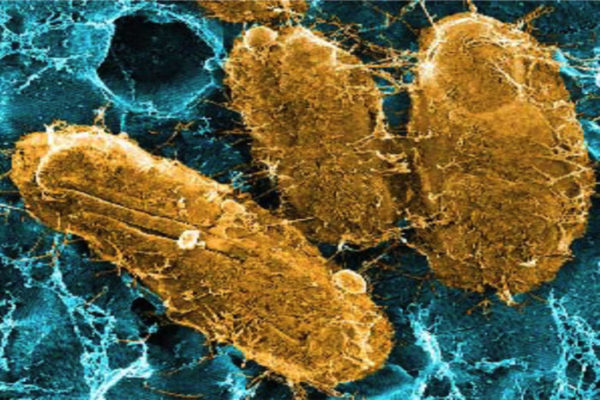
Researchers identify protein critical in causing chronic UTIs
Researchers have identified a potential way to prevent chronic urinary tract infections (UTIs). Their research points to a key protein that bacteria use to latch onto the bladder and cause UTIs, according to scientists at Washington University School of Medicine in St. Louis. Vaccinating mice against the protein reduces the ability of bacteria to cause severe disease.
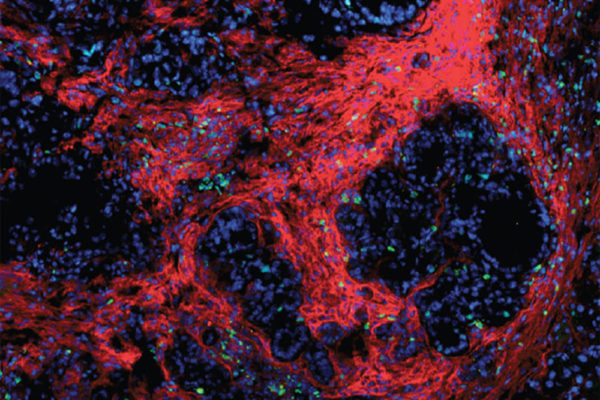
Immune-based therapy in mice shows promise against pancreatic cancer
A new School of Medicine study in mice has shown that immunotherapy against pancreatic cancer can be effective when given in conjunction with drugs that break up the fibrous tissue in these tumors.
Older Stories