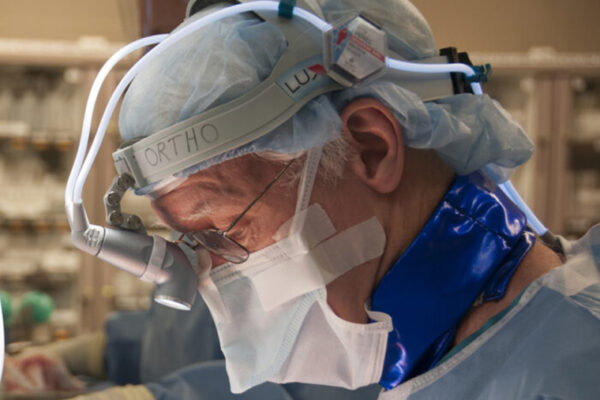
For adult scoliosis, surgery, other treatments are viable options
A School of Medicine study of adults with lumbar scoliosis and found that the most important factor in determining whether to do surgery is the extent of a patient’s disability due to his or her spinal deformity, as well as how much that disability interferes with day-to-day life.

Less anesthesia during surgery doesn’t prevent post-op delirium
One in four older adults experiences delirium after surgery. However, School of Medicine researchers have found that closely monitoring brain activity and minimizing anesthesia if needed has no significant effect on the occurrence of delirium.

WashU Expert: New Trump drug policy proposal ambitious, but is it feasible?
The Trump Administration released a proposed rule Jan. 31 that could alter the way many drugs are priced and paid for among Medicare and Medicaid plans. The proposed regulation would eliminate the regulatory safe harbor for rebates as they exist today, said Rachel Sachs, an expert on drug policy and pricing at Washington University in St. Louis.
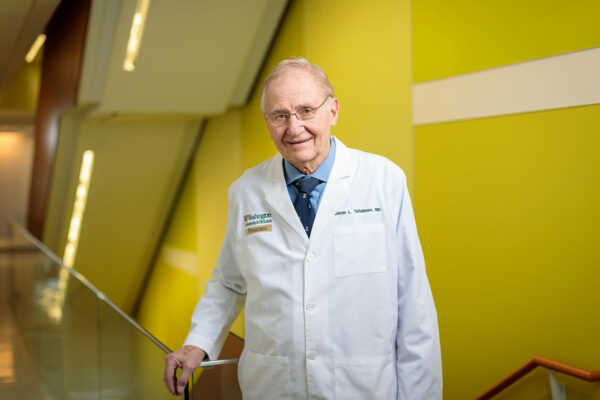
Teitelbaum awarded 2019 King Faisal International Prize in Medicine
The School of Medicine’s Steven Teitelbaum, MD, has been awarded the King Faisal International Prize in Medicine for his work on bone biology. The award recognizes scientists whose work has major benefits for humanity.
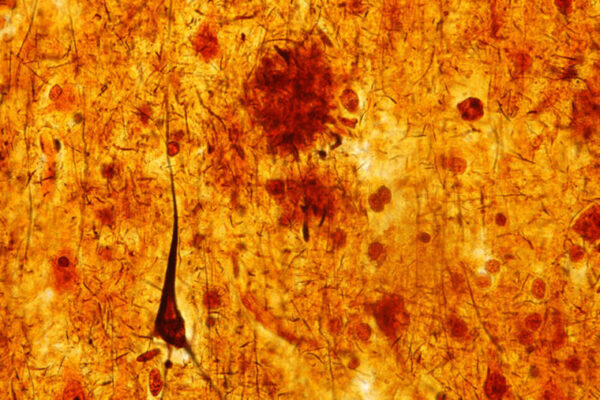
Sleep deprivation accelerates Alzheimer’s brain damage
A study in mice and people from the School of Medicine shows that sleep deprivation causes tau levels to rise and tau tangles to spread through the brain, accelerating Alzheimer’s brain damage.
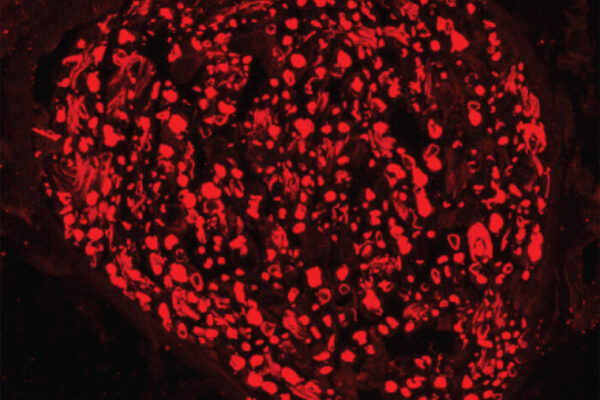
Gene therapy blocks peripheral nerve damage in mice
In a new study from the School of Medicine, scientists have blocked the destruction of nerve axons in mice, a step toward helping patients with various neurodegenerative disorders.

New strategy may curtail spread of antibiotic resistance
In studying a bacterium that causes disease in hospitalized people, researchers at the School of Medicine have figured out a key step in the transmission of antibiotic resistance from one bacterium to another. Their insight suggests a new strategy for stopping the spread of antibiotic resistance.
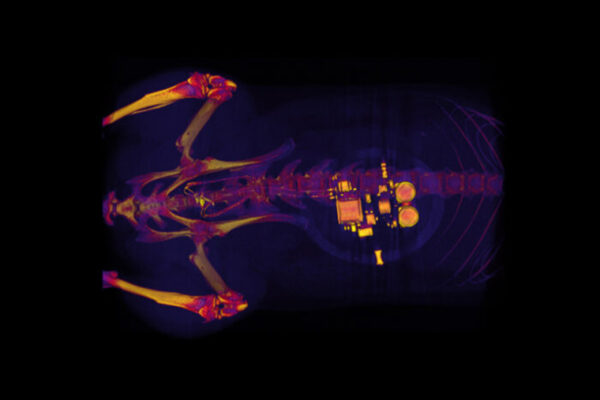
Tiny, implantable device uses light to treat bladder problems
A team of neuroscientists and engineers, including some at the School of Medicine, has developed a tiny, implantable device that has potential to help people with bladder problems bypass the need for medication or electronic stimulators.
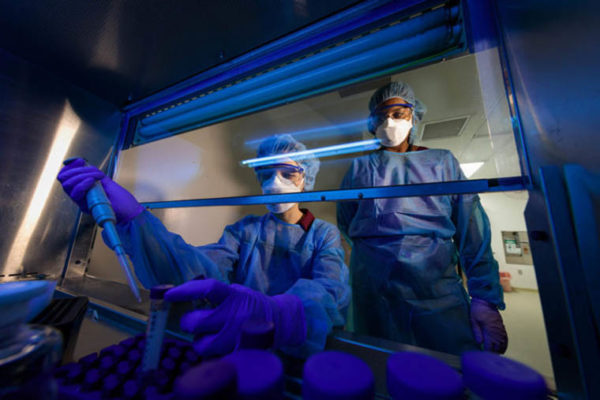
Why some TB bacteria prove deadly
Researchers at the School of Medicine have found that the same mutation that gives tuberculosis bacteria drug resistance also elicits a weaker immune response. The findings are published in Nature Microbiology.
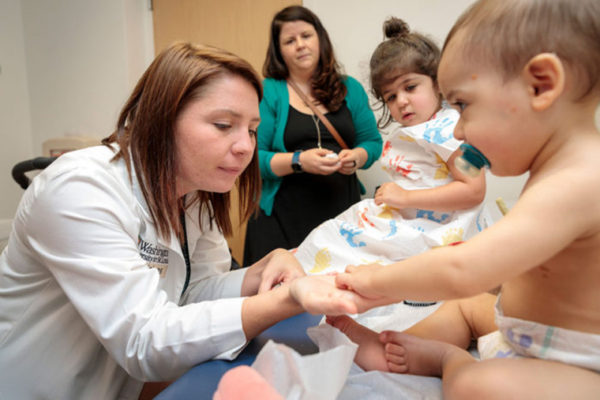
Brain tumors occur often in kids with common genetic syndrome
A new School of Medicine study shows that children born with neurofibromatosis (NF1), a common genetic syndrome, are much more likely to have brain tumors than previously thought.
Older Stories