
NIH funds centers to improve, diversify reference human genome
The National Institutes of Health (NIH) will provide $29.5 million to Washington University School of Medicine in St. Louis and collaborating institutions to improve the accuracy and diversity of the reference human genome sequence. The aim is to better reflect the spectrum of human diversity and make the reference genome a more useful research tool.

For hospitalized patients with fungal infections, specialists save lives
Fungal bloodstream infections are responsible for the deaths of more than 10,000 people every year. New research from the School of Medicine shows that the death rate can be reduced by 20% if infectious disease specialists oversee care of such patients.
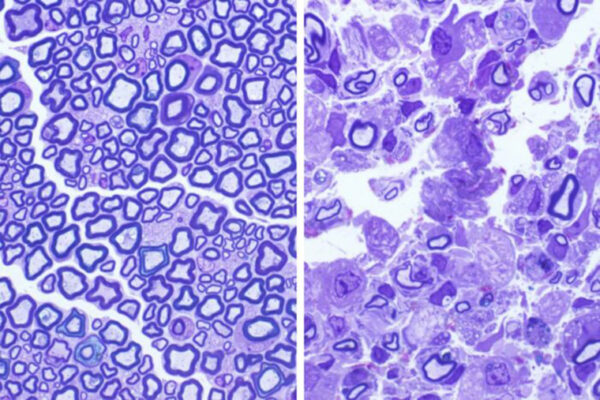
Cause of rare, fatal disorder in young children pinpointed
Scientists at the School of Medicine have pinpointed the precise cause of Krabbe disease, a neurodegenerative condition that usually causes death by age 3.

Radiation therapy effective against deadly heart rhythm
A single high dose of radiation aimed at the heart significantly reduces episodes of a potentially deadly rapid heart rhythm, according to results of a phase one/two study at the School of Medicine.

Brown School researchers begin low-income smoker study
Brown School researchers at Washington University in St. Louis have begun work on a five-year, $3.9 million study that tests an innovative approach to help low-income smokers quit: helping people establish rules banning smoking inside their homes.

Vaccine against deadly superbug Klebsiella effective in mice
Researchers at the School of Medicine in St. Louis and the biotech startup VaxNewMo have developed a vaccine that is effective, in mice, against hypervirulent strains of Klebsiella that can cause life-threatening infections in healthy adults.

Why initial UTIs increase susceptibility to further infection
Researchers at the School of Medicine have discovered that an initial urinary tract infection (UTI) triggers changes to immune and other cells in the bladder that can prime the bladder to overreact to bacteria, worsening subsequent UTIs.

Children with mild asthma can use inhalers as needed
A new study from the School of Medicine finds that African American children with mild asthma can take their steroid inhalers as needed, based on symptoms, rather than at set times daily regardless of symptoms.

Finnish people’s unique genetic makeup offers clues to disease
A study of the genetics of the people of Finland, conducted in part by researchers at the School of Medicine, has revealed new clues to common diseases.

For malnourished children, new therapeutic food boosts gut microbes, healthy development
Researchers at the School of Medicine and the International Centre for Diarrhoeal Disease Research in Dhaka, Bangladesh, are developing a new approach to address childhood malnutrition. They are designing therapeutic foods aimed at repairing the gut microbiomes of malnourished children.
Older Stories