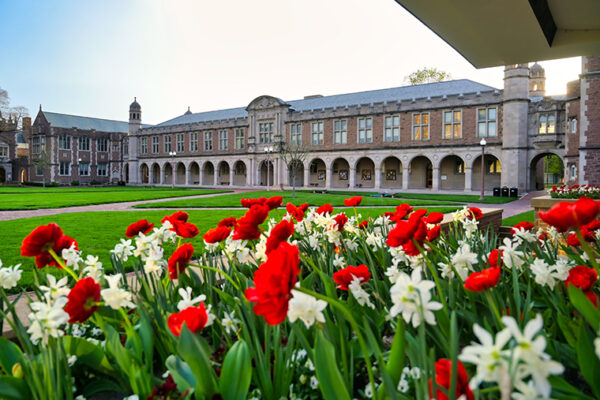
In-person summer programming suspended until at least Aug. 1
In yet another major change with the key focus on protecting the health and well-being of the Washington University community and the St. Louis region in light of the COVID-19 pandemic, the university has announced the suspension of all in-person summer programming, both on campus and internationally, until at least Aug. 1.

Juniors Eisner, Klapow awarded prestigious Truman Scholarship
Roommates and best friends Zach Eisner and Max Klapow, juniors at Washington University in St. Louis, have both won a Truman Scholarship, the premier graduate fellowship in the United States for those pursuing careers as public service leaders. Chancellor Andrew D. Martin surprised the students with the news on Zoom.
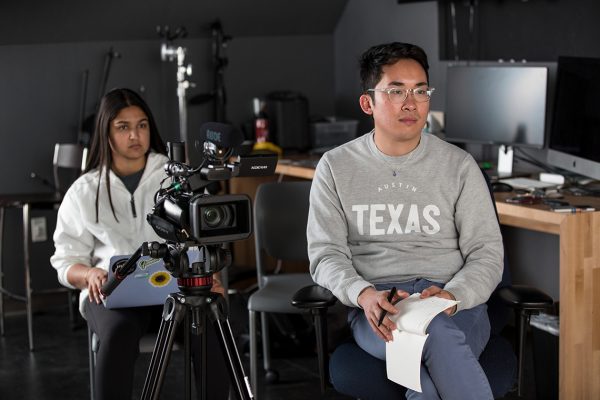
Video series ‘WashU Between the Lines’ launches in time of uncertainty
In the video series “WashU Between the Lines,″ students share honest, personal stories about their lives on campus. Students Shelly Gupta and Rory Mather, both subjects and co-creators of the series, hope the project will encourage students to get to know each other, as we say at Washington University, by name and by story. And not just the stories posted on Instagram or Facebook.
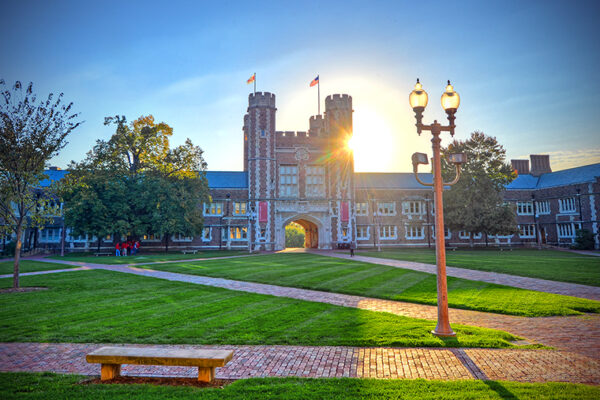
New fund created to help students and employees through COVID-19 crisis
Washington University has created the WashU Crisis Response Fund to provide support to students and employees facing financial hardships during the COVID-19 pandemic.
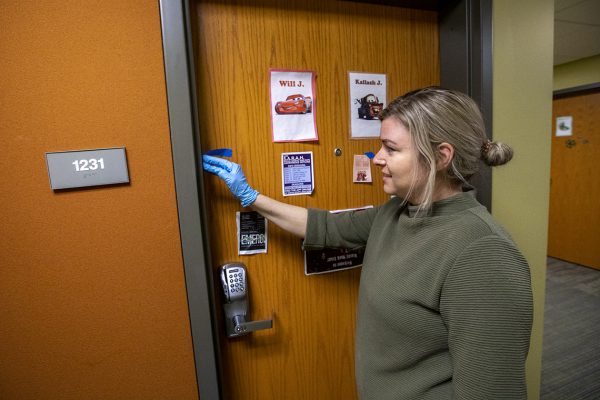
Residential life staff, campus volunteers unite to pack student belongings
The task was as Herculean as it was heartbreaking: Pack and ship some 2,000 boxes of books, computers, medications and other essentials to Washington University students across the globe.

Reaching students where they are
Campus life at Washington University in St. Louis has been upended in the wake of coronavirus, but the Habif Health and Wellness Center is doing everything it can to reach students and provide consultation and support.

2020-21 tuition, room, board, fees announced
Undergraduate tuition at Washington University in St. Louis will be $56,300 for the 2020-21 academic year — a $2,050 (3.8%) increase over the 2019-20 current academic tuition of $54,250, announced Amy B. Kweskin, vice chancellor for finance and chief financial officer.

Tuition-related frequently asked questions
Here are some Frequently Asked Questions — and answers — about tuition and Washington University in St. Louis’ financial resources.
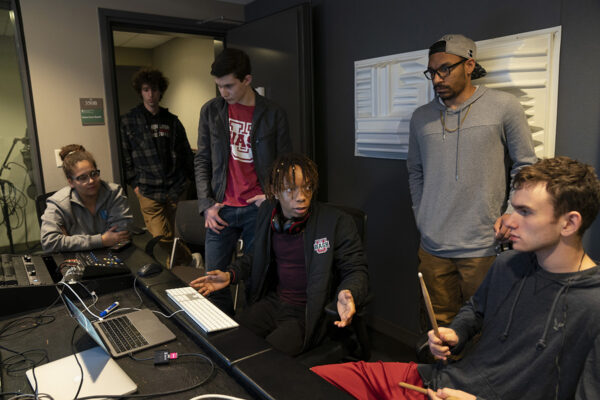
‘I Made This’: The story behind a student musician
In the debut of The Record’s new series, “I Made This,” senior J.T. Bridges shares the story behind his song “Discord,” which he recorded at the Harvey Media Center with the help of student group High Note Music Industry Collective. Like contemporary stars Daniel Caesar and Khalid, Bridges specializes in chill R&B with earnest lyrics and acoustic rhythms.

A ‘choose your own’ entrepreneurial adventure
A new fellowship for Washington University undergraduates further deepens the university’s commitment to educating and preparing the next generation of entrepreneurs. The program, offered by the Skandalaris Center for Interdisciplinary Innovation and Entrepreneurship, will directly connect students to, and immerse them in, the St. Louis startup scene.
Older Stories