
Invite consumers to pop-up, and pop goes the spending — offline and online
Two Washington University in St. Louis researchers, along with a former fellow Olin Business School faculty member and Alibaba officials, flipped the pop-up business model, and possibly more. The co-authors found that inviting potential customers via text message could increase buying with both a pop-up shop retailer and similar product vendors online … for weeks and months to come.
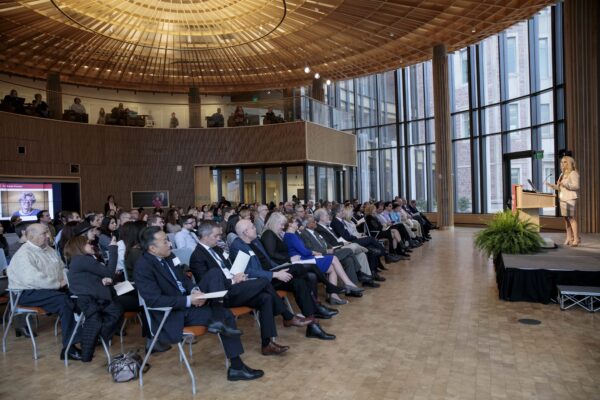
Social Policy Institute launches at Washington University
The newly formed Social Policy Institute at Washington University in St. Louis will bring together the best research evidence from across disciplines to solve real-world challenges. The institute launches Sept. 24.

Dishonest acts hurt one’s ability to read others’ emotions
Dishonest deeds diminish a person’s ability to read others’ emotions, or “interpersonal cognition,” finds a new study from four researchers, including one from the Olin Business School at Washington University in St. Louis. Another finding: dishonesty breeds “a vicious cycle.”
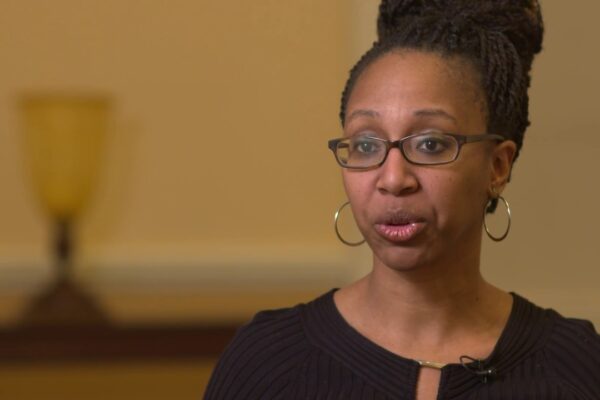
Unraveling complicated issues of inequality in workplaces, communities
Adia Harvey Wingfield’s new book exposes how hospitals, clinics and other institutions participate in “racial outsourcing,” relying heavily on black doctors, nurses, technicians and physician assistants to do “equity work”— extra labor that makes organizations more accessible to communities of color.

Self-managed teams lead to much lower pay for women
Researchers from Olin Business School studied self-managed teams, and found that they tend to create pay inequality. Women “consistently receive bargaining outcomes below their productivity level, while men are consistently overcompensated,” the researchers wrote.
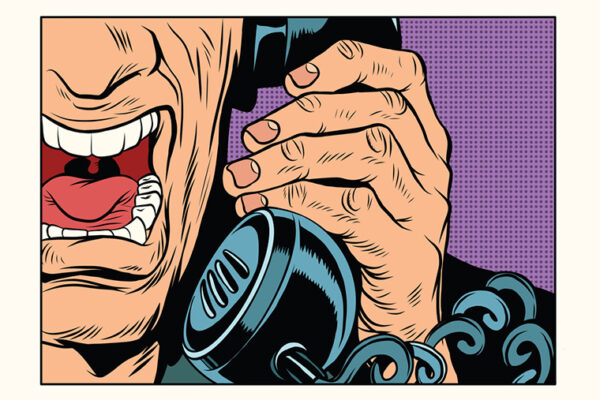
It doesn’t pay to play angry when negotiating
A new paper, authored by Washington University in St. Louis faculty and alumni from Olin Business School, reports findings from five different studies of subjects in a negotiation agreement. The takeaway: inorganic anger generally leaves parties of both parts feeling guilty, distrusted and needing to make amends afterward.

Your March Madness chances, or putting a quintillion into focus
You — as part of the 10 percent of the American population who participates in this form of technically illegal gambling — have a 1-in-9.2 quintillion chance of picking the perfect March Madness bracket, says a statistical expert from Washington University in St. Louis.

Performance-based pay linked to employee mental-health problems, study shows
In the first big-data study combining objective medical and compensation records with demographics, researchers at Washington University in St. Louis and Aarhus University in Denmark discovered once a company switches to a pay-for-performance process, the number of employees using anxiety and depression medication increased by 5.7 percent over an existing base rate of 5.2 percent.
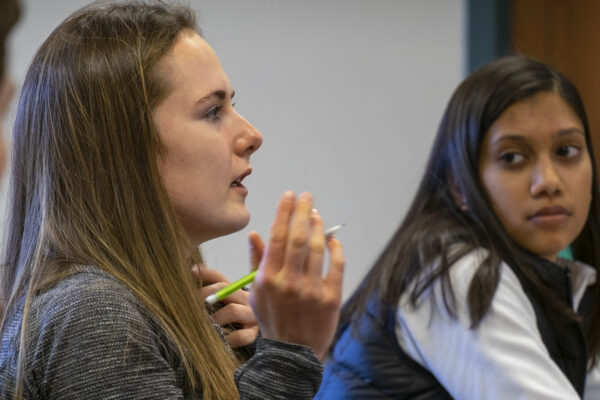
A new model for career planning
A growing number of first-year students are seeking career advice and resources early in their college careers. In response, the Career Center has launched a number of new career-readiness program specifically for first-year students. The center also collaborated with Arts & Sciences on a pilot program that combines career planning and academic advising.
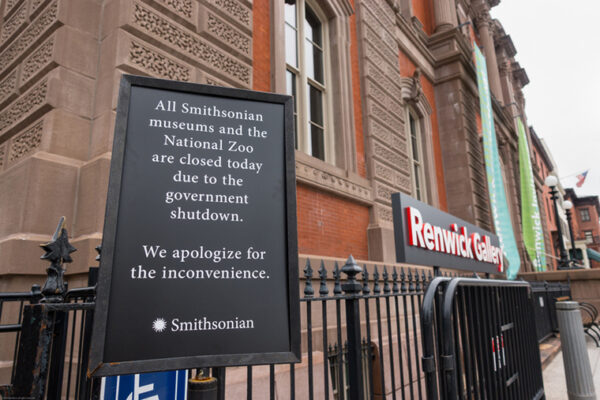
Federal workers to be less efficient upon return
When 800,000 government employees eventually return to work after a shutdown that started Dec. 22, expect them to work less efficiently — or, at minimum, feel less engaged and far less respected, says an expert in government leadership and organizational strategy at Olin Business School.
Older Stories