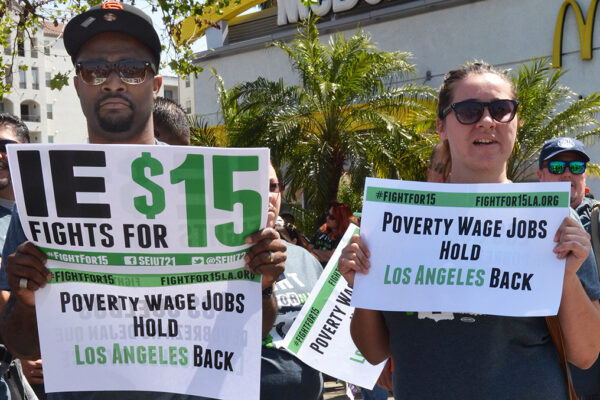
Minimum wage increases a mixed bag, but ‘not a good idea’ amid crisis
If the post-pandemic economic return includes minimum-wage increases across a few or many states, research led by Washington University in St. Louis scientists in the Olin Business School suggests that some positive and negative effects for U.S. workers follow in the two years after implementation.
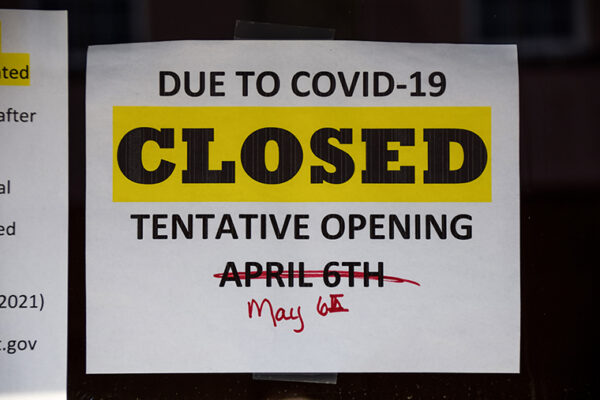
Ways to find business opportunity from crisis
The coronavirus pandemic has shattered and shuttered businesses. As businesses gradually continue to reopen across the United States, three Olin Business School experts at Washington University in St. Louis offer insights into potential opportunities that could help businesses to emerge from the economic storm.

Appointment helps strengthen university, Department of Defense ties
The U.S. Department of Defense’s National Security Innovation Network appointed Jake Laktas university program director for Washington University in St. Louis. He will work closely with faculty and students, connecting them with regional industry partners and forging collaborations.
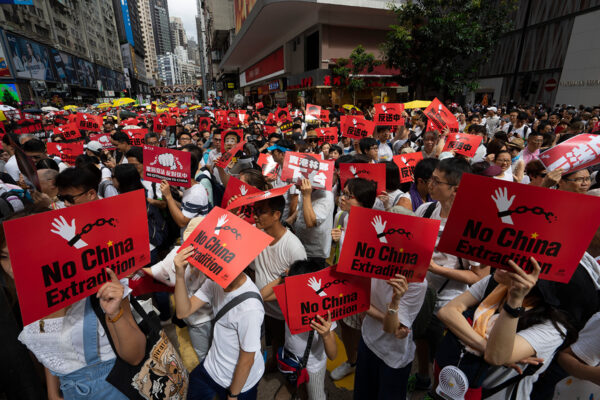
Protests haven’t hurt Hong Kong’s status as global financial center
A new paper by an East Asia and international business expert in the Olin Business School at Washington University in St. Louis finds that Hong Kong’s status as a leading global financial center is secure for multiple reasons, despite prolonged protesting.
China’s government will continue to support it;
Hong Kong’s financial networks possess extraordinary scale and sophistication;
and no viable alternative center has emerged to challenge Hong Kong as the Asia-Pacific leader.
Meyer, a senior lecturer in management, puts forth his arguments in “The Hong Kong protests will not undermine it as a leading global financial centre,” published online in April in Area Development and Policy.
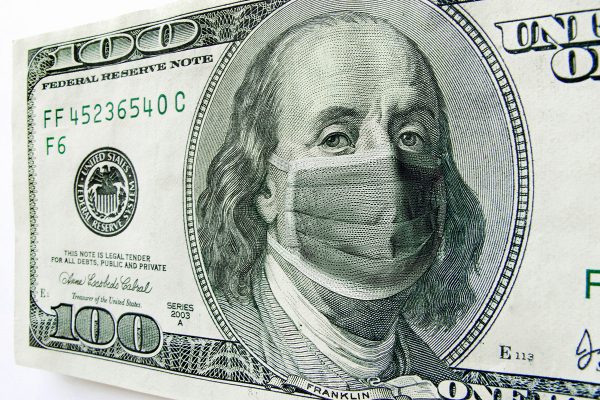
Federal package ‘not enough’
The $2 trillion plan to prop up a pandemic-reeling United States, amid the news that there were 3.3 million unemployment claims lodged in the previous week, is expected to pass the House on March 27. An array of Washington University in St. Louis experts offer perspectives on the plan.
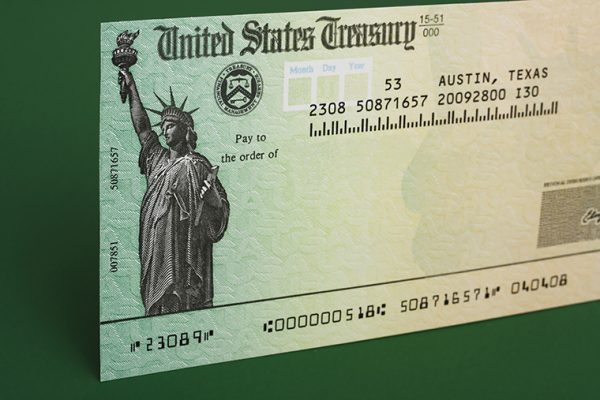
Handing out checks gives ‘no overall economic benefit’
The U.S. Senate, with significant prodding from the Trump administration, is working on a plan to directly provide cash assistance to millions of Americans amid the economic fallout from the COVID-19 pandemic. Experts in economics and finance from Washington University in St. Louis’ Olin Business School weigh in on how it could help housing and households and maybe pay some bills — but still not answer the problems at hand.
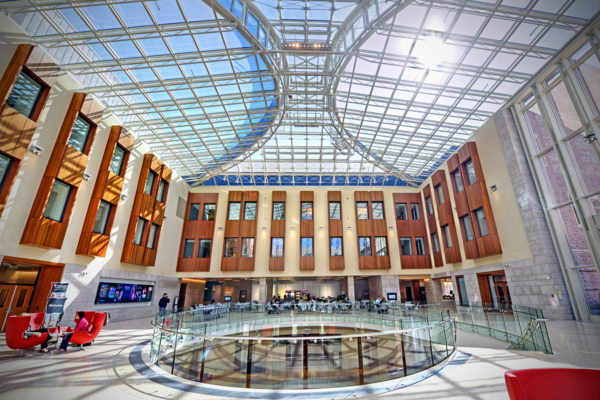
Olin faculty evaluate coronavirus on U.S. businesses, economy
Olin Business School faculty at Washington University in St. Louis offer perspectives on the economic, financial and everyday business reactions to the novel coronavirus outbreak.
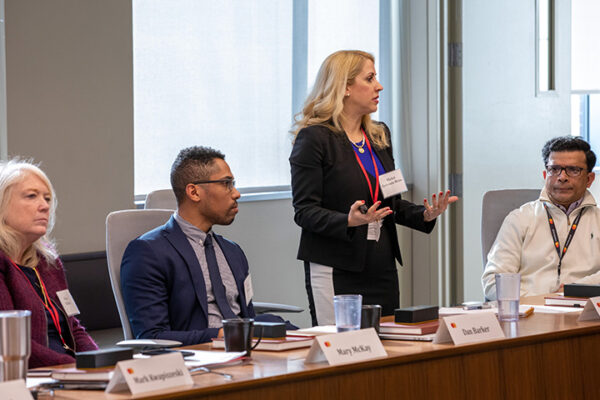
Mastercard awards Social Policy Institute $1.5 million grant
The Mastercard Impact Fund recently awarded the Social Policy Institute (SPI) at Washington University in St. Louis a three-year, $1.5 million grant. Mastercard’s founding partnership of the SPI will further strengthen the institute’s ability to use research and data science to impact social policy and to promote inclusive growth in the St. Louis community and beyond.

Recessions, like earthquakes, are impossible to predict confidently
Some economic observers continue to warn about signs of a potential U.S. recession. Glenn MacDonald, the John M. Olin Distinguished Professor of Economics and Strategy at Olin Business School at Washington University in St. Louis, says many signs aren’t particularly reliable — but keep an eye on housing starts.
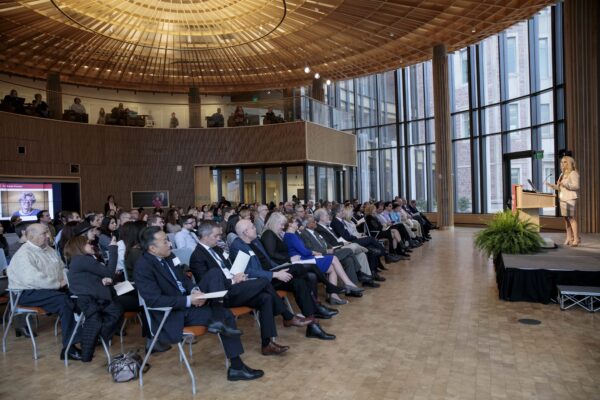
Social Policy Institute launches at Washington University
The newly formed Social Policy Institute at Washington University in St. Louis will bring together the best research evidence from across disciplines to solve real-world challenges. The institute launches Sept. 24.
Older Stories