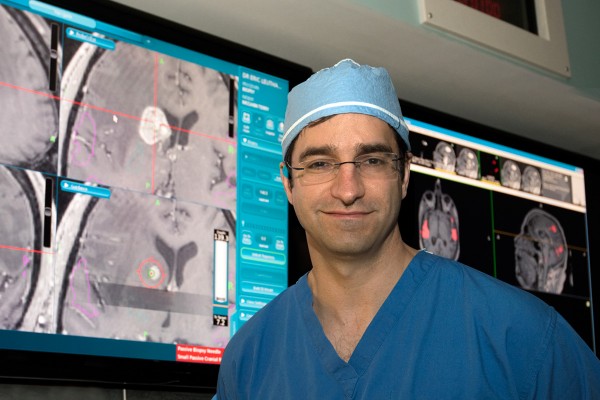
Laser surgery opens blood-brain barrier to chemotherapy
Using a laser probe, neurosurgeons at the Medicine have opened the brain’s protective cover, enabling them to deliver chemotherapy drugs to patients with a form of deadly brain cancer called glioblastoma.
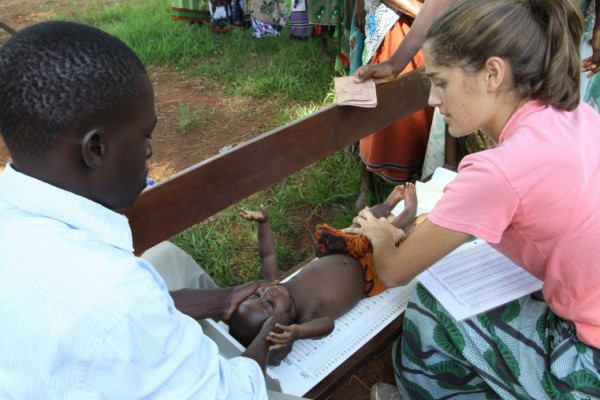
Dietary link to stunted growth identified
A team of researchers led by senior author Mark J. Manary, MD, at Washington University School of Medicine in St. Louis, has found that inadequate dietary intake of essential amino acids and the nutrient choline is linked to stunting. That knowledge may unlock the door to new approaches to treat the debilitating condition.
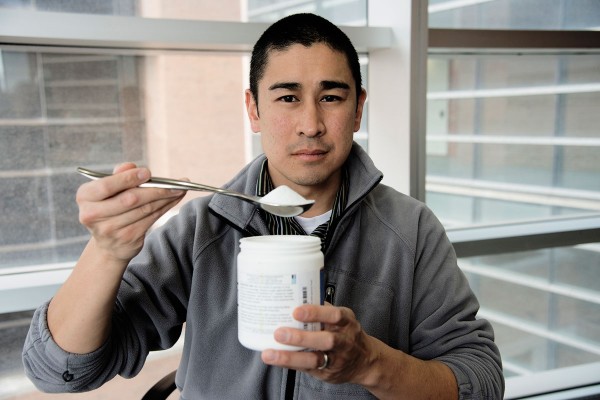
Natural sugar may treat fatty liver disease
New research from the School of Medicine shows that a natural sugar called trehalose prevents the sugar fructose — thought to be a major contributor to nonalcoholic fatty liver disease — from entering the liver and triggers a cellular housekeeping process that cleans up excess fat buildup inside liver cells.

Why 5 percent weight loss can be life-changing
For patients with obesity trying to lose weight, the greatest health benefits come from losing just 5 percent of their body weight, according to a new study at Washington University School of Medicine in St. Louis.

Breakthroughs in the fight against childhood malnutrition
Two new studies led by Washington University School of Medicine in St. Louis show that effects of gut bacteria reach far beyond the gastrointestinal tract. Manipulating the makeup of microbes in the gut has the potential to provide new ways to treat and ultimately help prevent childhood malnutrition.

What two entrepreneurs learned at an accelerator
Washington University in St. Louis alumni Andrew Hess and Philip Thomas, co-founders of a scheduling startup called Staffjoy, talk about what they learned participating in the Y Combinator Fellowship program.

Improving veterans’ radiation therapy
Washington University School of Medicine in St. Louis has been selected to lead national efforts to improve and standardize radiation therapy for veterans with cancer.

Rise in marijuana use not as high as previously reported
Research, from Washington University School of Medicine in St. Louis shows that the rate of pot use did not double from 2002 to 2013 — as had been reported in the fall — and that the rate of problems related to the drug remained steady.
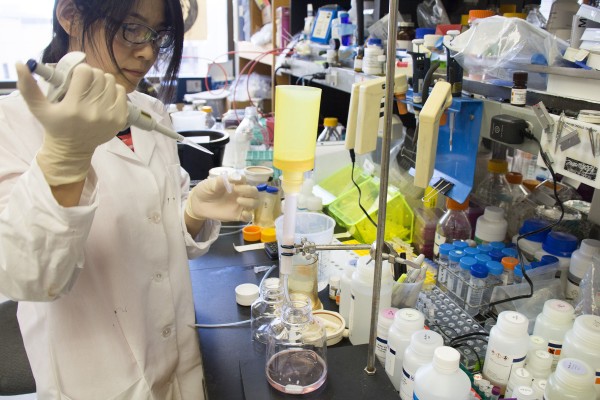
Fighting Zika: A team effort
Over the past seven months, two collaborating teams of scientists at Washington University School of Medicine – both focused on emerging infectious diseases – have redirected their efforts to concentrate on Zika virus.

New tool to prevent infection after C-section
A new study from Washington University School of Medicine in St. Louis offers strong guidance on the best way to reduce the infection risk. Rather than prepping patients with iodine-alcohol — a common antiseptic combination in C-sections — the research indicates that chlorhexidine-alcohol is significantly more effective.
View More Stories