
Persistent childhood asthma sets stage for COPD
Children with mild to moderate persistent asthma are at greater risk of developing chronic lung disease as young adults and, therefore, may require lifelong treatment even if their asthma symptoms subside for extended periods, according to a major national study co-led by researchers at the School of Medicine.
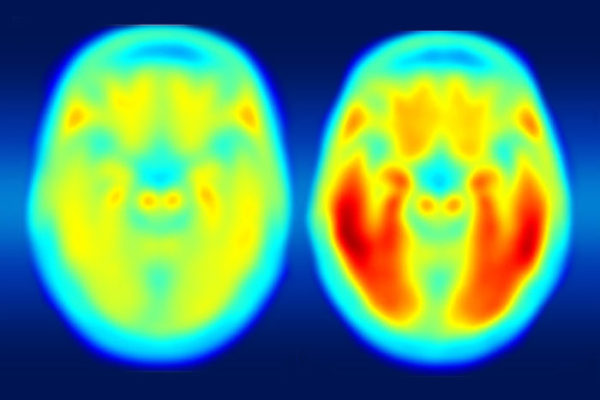
Brain imaging links Alzheimer’s decline to tau protein
Using a new imaging agent that binds to tau protein and makes it visible in positron emission tomography (PET) scans, scientists at Washington University School of Medicine in St. Louis have shown that measures of tau are better markers of the cognitive decline characteristic of Alzheimer’s than measures of amyloid beta seen in PET scans.

Studying hot spots of antibiotic resistance
Antibiotic-resistant bacteria most often are associated with hospitals and other health-care settings, but a new study from the School of Medicine indicates that chicken coops and sewage treatment plants also are hot spots of antibiotic resistance.

Class Acts 2016: Go out and change the world
Each year, Washington University in St. Louis highlights our graduating seniors and graduate students who are changing the world through research, service and innovation. Here are the 2016 Class Acts.
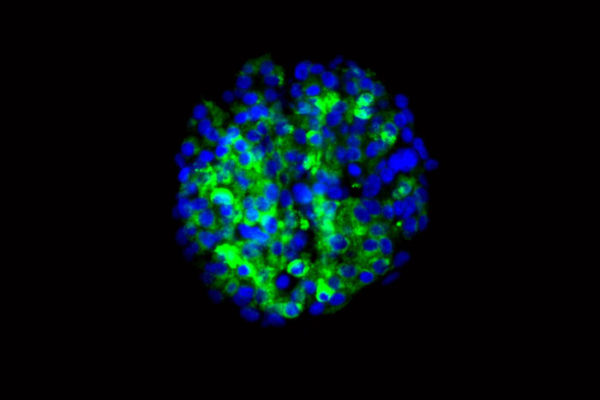
A step toward personalized diabetes treatments
Signaling a potential new approach to treating diabetes, researchers at Washington University School of Medicine in St. Louis and Harvard University have produced insulin-secreting cells from stem cells derived from patients with type 1 diabetes.

Making everyday decisions
Researchers at Washington University School of Medicine in St. Louis have found that some neurons in the orbitofrontal cortex assign value to options in everyday decision-making. The area’s neurons then can re-map to make different decisions when circumstances change.

Popular heartburn drugs may cause serious kidney damage
Extended use of drugs to treat heartburn, ulcers and acid reflux may lead to serious kidney damage, including kidney failure, according to a study by researchers at Washington University School of Medicine in St. Louis and Veterans Affairs St. Louis Health Care System.

High-fructose diet during pregnancy may harm placenta, restrict fetal growth
Consuming a high-fructose diet during pregnancy may cause defects in the placenta and restrict fetal growth, potentially increasing a baby’s risk for metabolic health problems later in life, according to research in mice and people by a team at Washington University School of Medicine in St. Louis.

Newborn screening test developed for rare, deadly neurological disorder
A study led by Washington University School of Medicine in St. Louis describes a newborn screening test that identifies infants with Niemann-Pick type C, an often fatal condition in which cholesterol builds up and eventually destroys brain cells. Early detection may save lives and improve prospects for managing the disease.
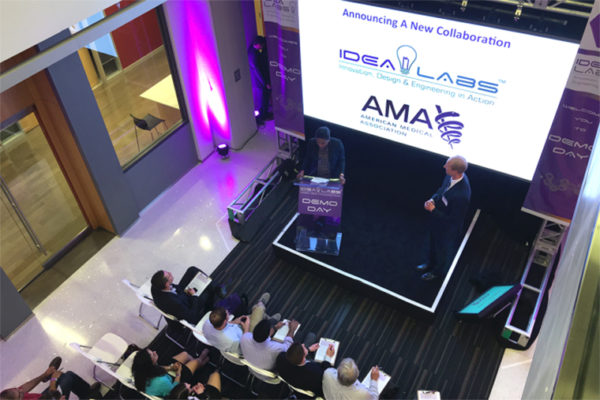
American Medical Association to collaborate with IDEA Labs
IDEA Labs, a student-run bioengineering and design incubator started at Washington University in St. Louis, will expand its national reach through a partnership with the American Medical Association. The collaboration is aimed at supporting cutting-edge medical technology development from the next generation of young entrepreneurs.
View More Stories