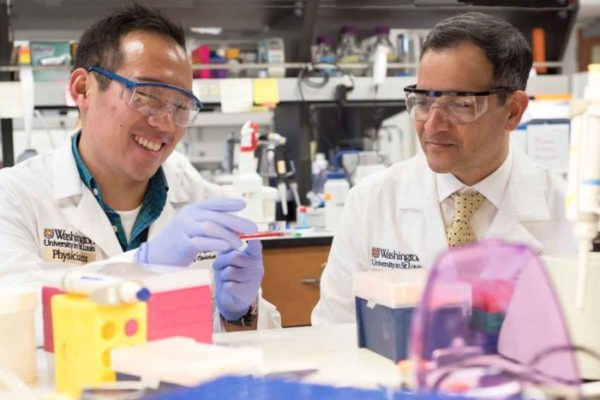
Culprit identified as a major cause of vision loss
Researchers at Washington University School of Medicine in St. Louis have identified a pathway involved in harming rods and cones in the retina and have found a way to halt that damage.
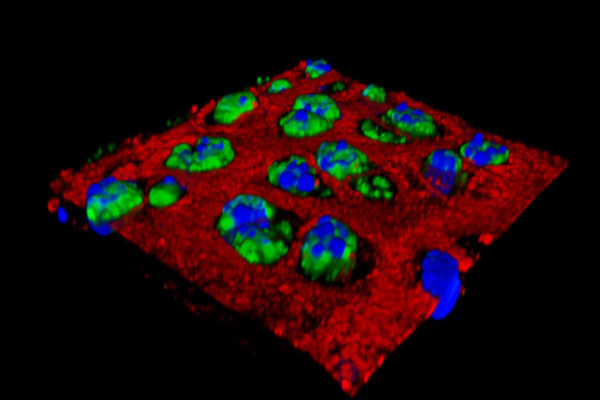
Nanoparticle injections may be future of osteoarthritis treatment
Researchers at Washington University School of Medicine in St. Louis have shown in mice that they can inject nanoparticles into an injured joint suffering from osteoarthritis and suppress inflammation immediately following an injury, reducing the destruction of cartilage.
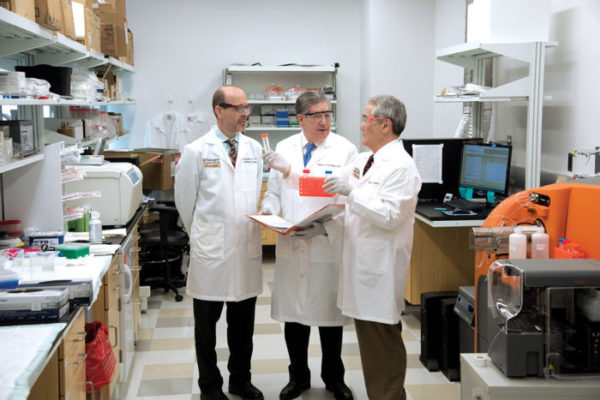
$10 million gift creates Bursky Center for Human Immunology and Immunotherapy
Washington University School of Medicine in St. Louis has received a $10 million gift to support research that harnesses the immune system to fight cancer, infectious diseases, and disorders caused by autoimmunity and immune deficiencies. The gift from Andrew M. and Jane M. Bursky will advance cutting-edge work at the newly named Andrew M. and Jane M. Bursky Center for Human Immunology and Immunotherapy Programs.
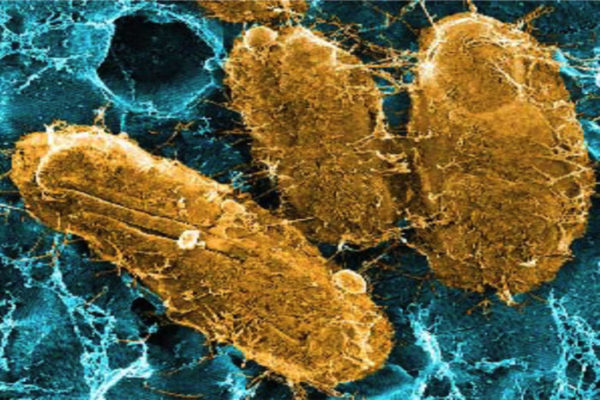
Researchers identify protein critical in causing chronic UTIs
Researchers have identified a potential way to prevent chronic urinary tract infections (UTIs). Their research points to a key protein that bacteria use to latch onto the bladder and cause UTIs, according to scientists at Washington University School of Medicine in St. Louis. Vaccinating mice against the protein reduces the ability of bacteria to cause severe disease.

Academic, corporate, political leaders gather in Brisbane to address global challenges
University leadership from around the globe will meet at The University of Queensland from Sept. 22-25 to focus on how research universities can join forces to tackle the critical problems of the 21st century. The event is the sixth McDonnell International Scholars Academy Symposium.

New explanation offered for symptoms of fragile X syndrome
Researchers at Washington University School of Medicine in St. Louis have found another possible explanation for some of the symptoms of fragile X syndrome. The study, published Sept. 20 in Cell Reports, provides a new way of looking at the underlying causes of the syndrome and suggests new targets for treatment.
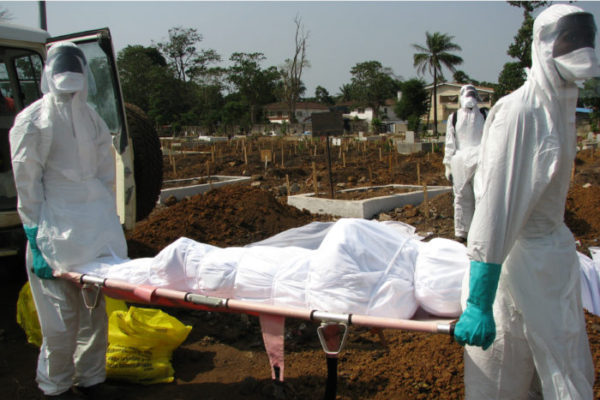
Ebola focus of $13 million grant
A $13 million grant to study how the Ebola virus replicates has been awarded to a team led by Gaya Amarasinghe, associate professor of pathology and immunology at Washington University School of Medicine in St. Louis.

Med school study examines firearms in the home
A survey of parents in Missouri and Illinois reveals that about half of the children in the families queried spent time in homes that have firearms. However, few reported talking about gun safety with their children’s pediatricians.
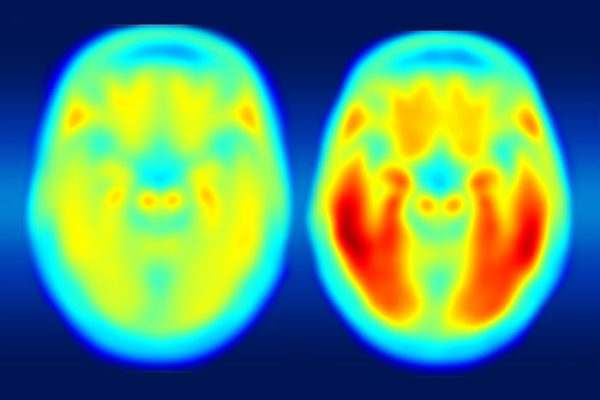
Consortium to investigate tau buildup in Alzheimer’s disease
Washington University School of Medicine in St. Louis will collaborate with the pharmaceutical companies AbbVie, Biogen, and Eli Lilly & Co. to investigate the buildup and clearance of tau protein in the brains of patients with Alzheimer’s disease.
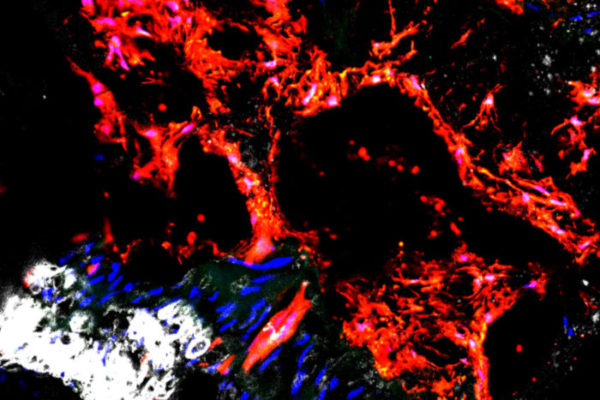
Scientists find culprit responsible for calcified blood vessels in kidney disease
Scientists have implicated a type of stem cell in the calcification of blood vessels that is common in patients with chronic kidney disease. The study, led by researchers at Washington University School of Medicine in St. Louis, appeared Sept. 8 in the journal Cell Stem Cell.
View More Stories