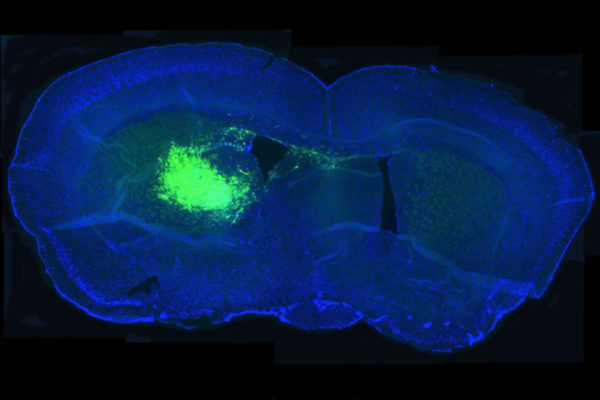
Gene linked to metabolism drives deadly brain cancer
While a particular metabolic pathway shows potential to slow down the aging process, new research indicates a downside: That same pathway may drive brain cancer. The pathway, known as the nicotinamide adenine dinucleotide (NAD+) pathway, is overactive in a deadly form of brain cancer known as glioblastoma, according to a study by researchers at Washington University School of Medicine in St. Louis.

Hard-to-treat depression in seniors focus of $13.5 million study
Researchers at Washington University School of Medicine in St. Louis are launching a study aimed at identifying effective treatment methods for seniors with depression that does not respond to standard medications.

Washington People: Henry Schvey
Henry Schvey is a steadfast presence in the Performing Arts Department in Arts & Sciences at Washington University in St. Louis, having directed more than 25 plays in his nearly 30-year tenure, in addition to teaching and writing. Now, a new memoir is adding to his body of work in the place he calls home.
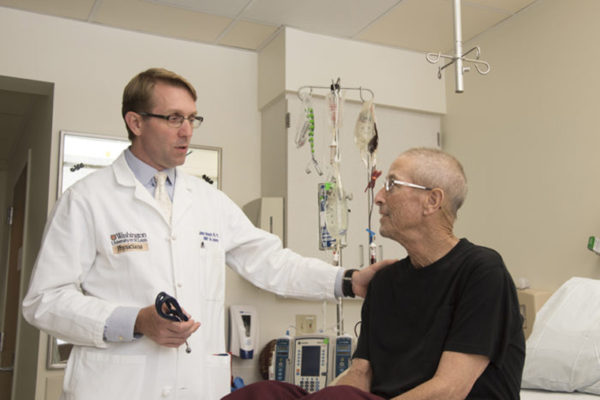
New research findings on most lethal type of leukemia
Patients with the most lethal form of acute myeloid leukemia (AML) – based on genetic profiles of their cancers – typically survive for only four to six months after diagnosis, even with aggressive chemotherapy. But new research led by the School of Medicine indicates that such patients, paradoxically, may live longer if they receive a milder chemotherapy drug.
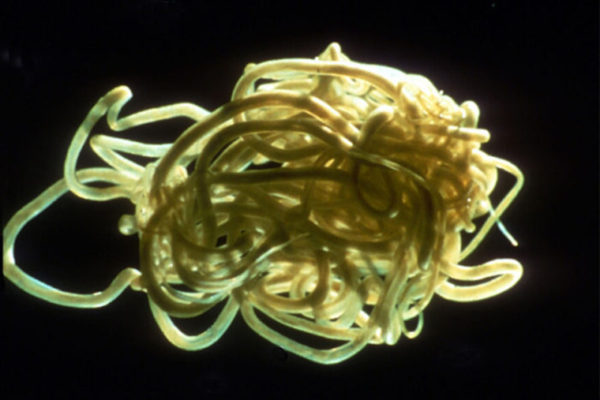
Study sheds light on parasite that causes river blindness
The parasite that causes river blindness infects about 37 million people in parts of Africa and Latin America, causing blindness and other major eye and skin diseases in about 5 million of them. A study from the School of Medicine sheds light on the genetic makeup of the parasite, a step toward the goal of eradication.
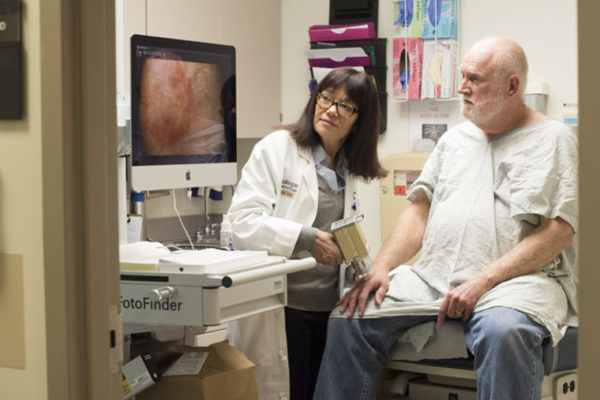
New topical immunotherapy effective against early skin cancer
A combination of two topical drugs that have been in use for years triggers a robust immune response against precancerous skin lesions, according to a new study. The research, from the School of Medicine and Harvard Medical School, shows that the therapy activates the immune system’s T cells, which then attack the abnormal skin cells. The study was published Nov. 21 in The Journal of Clinical Investigation.
AAAS names three faculty as 2016 fellows
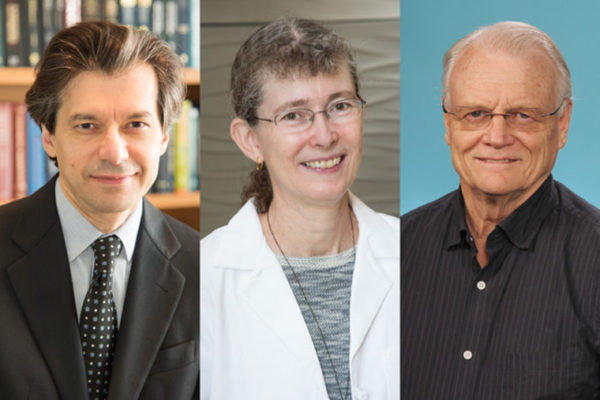
Three School of Medicine faculty members are among 391 new fellows selected by the American Association for the Advancement of Science (AAAS), the world’s largest general scientific society. Azad Bonni, Phyllis I. Hanson and Gary D. Stormo will receive the highest honor awarded by AAAS.
Researchers launch first clinical trial for Wolfram syndrome
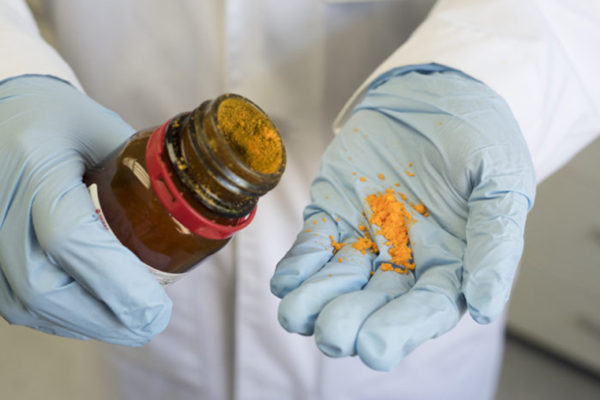
Researchers at Washington University School of Medicine in St. Louis are launching a new clinical trial to assess the safety of a drug treatment for patients with the rare disease Wolfram syndrome.
New technique aids search for genetic roots of disease
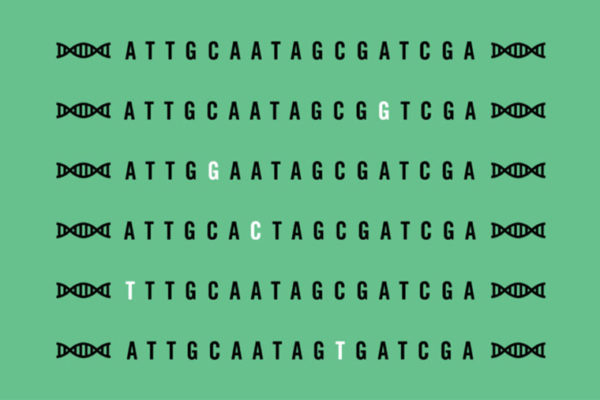
Researchers at the School of Medicine have developed a new technique to cheaply and rapidly create myriad sets of DNA fragments that detail all possible genetic variants in a particular stretch of DNA. By studying such DNA fragments, scientists can more easily distinguish between genetic variants linked to disease and those that are innocuous.
Antibody protects developing fetus from Zika virus in mouse study
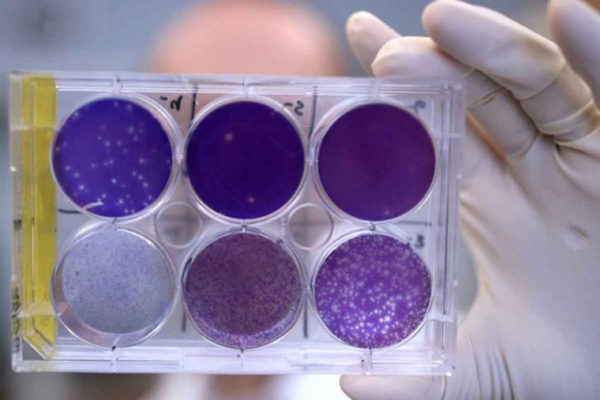
Researchers at Washington University School of Medicine in St. Louis and Vanderbilt University School of Medicine have identified a human antibody that prevents — in pregnant mice — the fetus from becoming infected with the Zika virus. The antibody also protects adult mice from Zika disease.
View More Stories