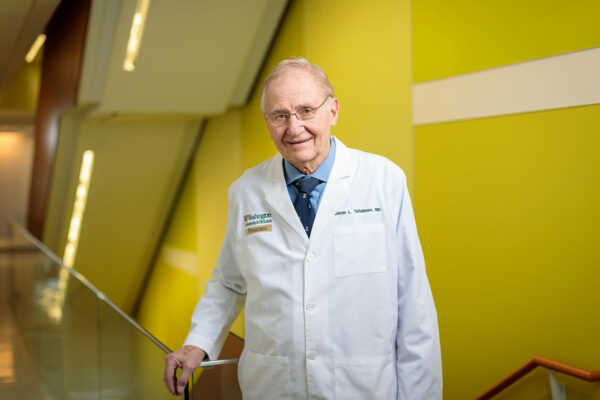
Teitelbaum awarded 2019 King Faisal International Prize in Medicine
The School of Medicine’s Steven Teitelbaum, MD, has been awarded the King Faisal International Prize in Medicine for his work on bone biology. The award recognizes scientists whose work has major benefits for humanity.
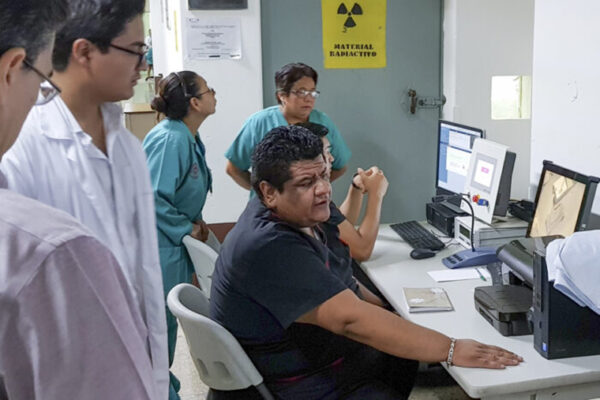
Modernizing radiation therapy in Guatemala
With the help of a grant from the U.S. Agency for International Development, an international team that includes scientists from the School of Medicine is poised to improve cancer care in Guatemala with new state-of-the-art radiation therapy equipment.
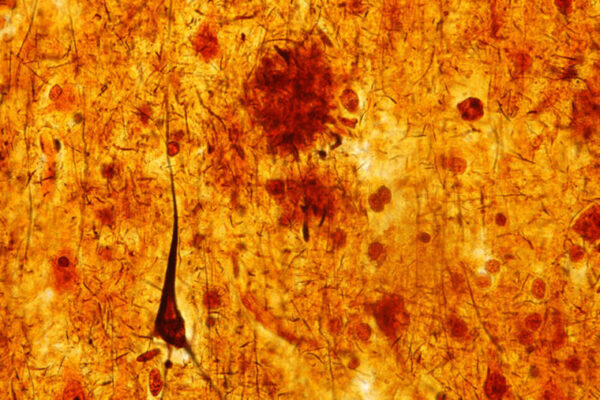
Sleep deprivation accelerates Alzheimer’s brain damage
A study in mice and people from the School of Medicine shows that sleep deprivation causes tau levels to rise and tau tangles to spread through the brain, accelerating Alzheimer’s brain damage.
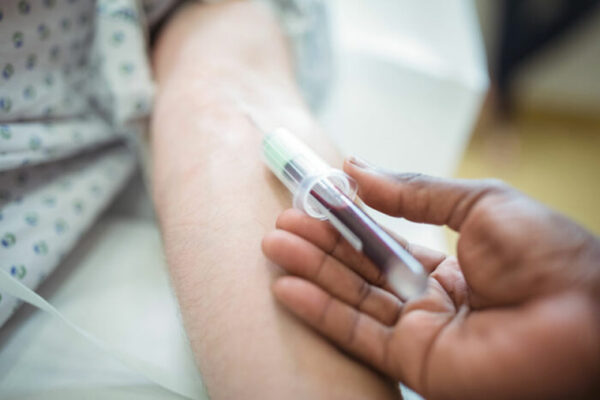
Blood test detects Alzheimer’s damage before symptoms
A simple blood test reliably detects signs of brain damage in people on the path to developing Alzheimer’s disease – even before they show signs of confusion and memory loss, according to a new study from the School of Medicine and the German Center for Neurodegenerative Diseases.
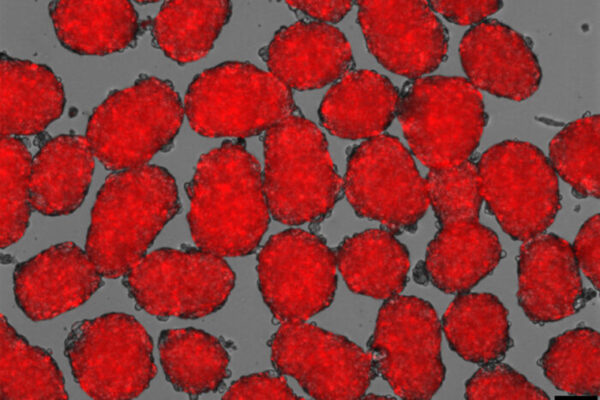
New hope for stem cell approach to treating diabetes
By tweaking the recipe for coaxing human stem cells into insulin-secreting beta cells, a team of researchers at the School of Medicine has shown that the resulting cells are more responsive to fluctuating glucose levels in the blood. The finding may lead to a new approach to treating diabetes.
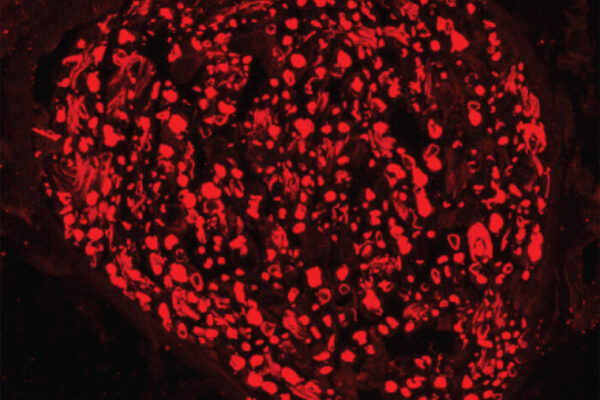
Gene therapy blocks peripheral nerve damage in mice
In a new study from the School of Medicine, scientists have blocked the destruction of nerve axons in mice, a step toward helping patients with various neurodegenerative disorders.

New strategy may curtail spread of antibiotic resistance
In studying a bacterium that causes disease in hospitalized people, researchers at the School of Medicine have figured out a key step in the transmission of antibiotic resistance from one bacterium to another. Their insight suggests a new strategy for stopping the spread of antibiotic resistance.
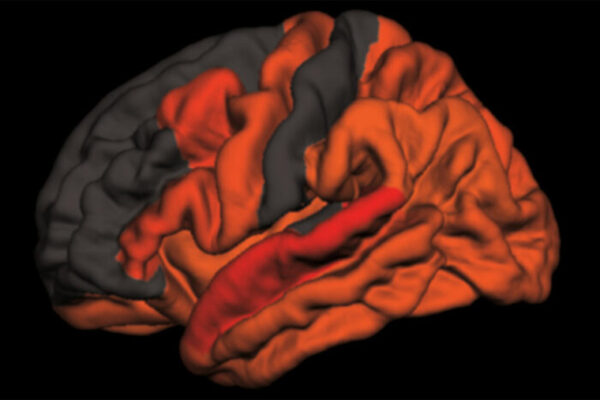
Decreased deep sleep linked to early signs of Alzheimer’s disease
A new study from the School of Medicine has found that decreased deep sleep is associated with early signs of Alzheimer’s disease.

$9 million supports deep dive into breast, pancreatic cancers
The School of Medicine has received a $9 million grant from the National Institutes of Health (NIH) to study the life histories of breast and pancreatic cancers. The grant is part of the NIH’s Human Tumor Atlas Network, a large-scale effort to better understand tumors.

Mice sleeping fitfully provide clues to insomnia
Researchers at the School of Medicine — working with mice with sleep problems similar to those experienced by people with the genetic disease neurofibromatosis type 1 (NF1) — believe the animals will help shed light on insomnia linked to NF1 or other factors.
View More Stories