
The sharing economy’s effect on business
New research from Washington University in St. Louis’ Olin Business school shows that the rising tide of product sharing can indeed lift all economic ships, including those of the product manufacturers, or firms.
Faculty team awarded $1.25 million to study ‘swimming cells’
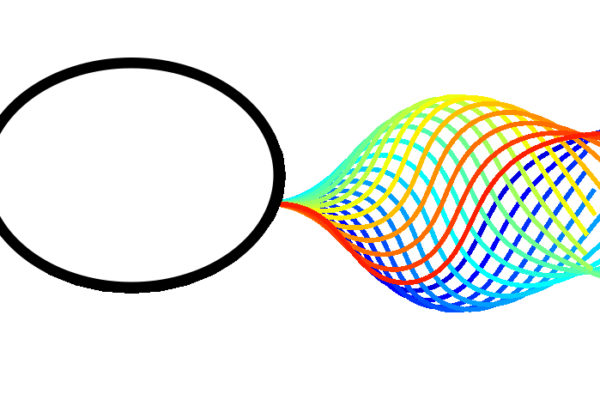
They are the tiny motors present in many of the human body’s most complex systems: cilia and flagella move liquids such as cerebrospinal fluid and mucus past the cell surface, and throughout the body. Both are of vital importance to human health, but how they actually move remains a mystery. A team from Washington University in St. Louis has been awarded a 5-year, $1.25 million grant to study the mechanics of these tiny organelles.
Fighting crime at the intersection of science and social justice
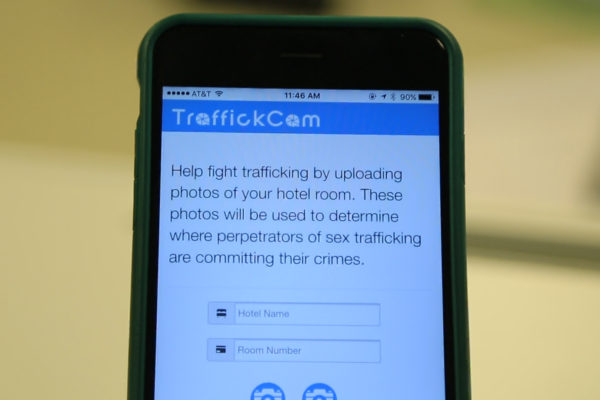
Researchers from Washington University in St. Louis are using science and engineering to fight the heinous crime of sex trafficking. By targeting places where the crimes usually occur, the high-tech approach is as simple as snapping photos on your cellphone and uploading them to a database.
Olin announces new graduate degree track
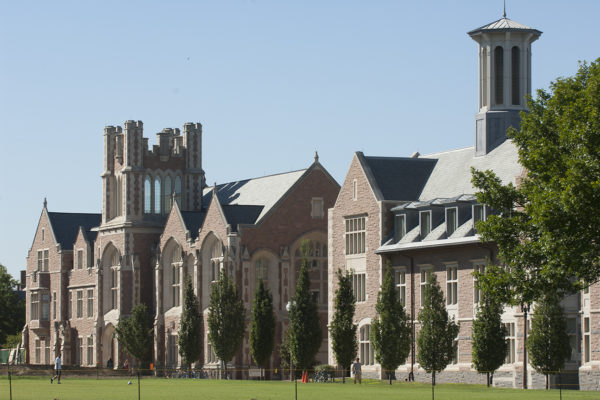
Washington University in St. Louis has announced a new degree track at Olin Business School: Wealth and Asset Management, to be offered as part of the Masters of Finance degree.
Elfenbein installed as John K. and Ellen A. Wallace Distinguished Professor
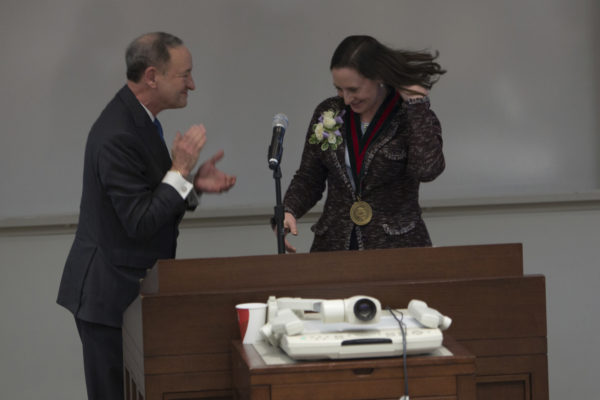
Hillary Anger Elfenbein, professor of organizational behavior in Olin Business School at Washington University in St. Louis, has been installed as the John K. and Ellen A. Wallace Distinguished Professor.
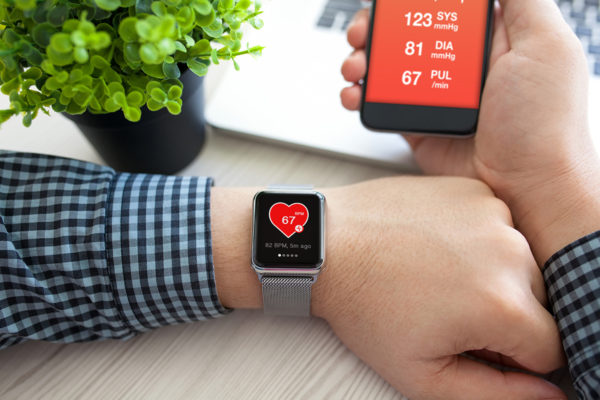
Working well by being well
Nearly 90 percent of companies in the United States use some form of employee wellness program – from gym memberships to health screenings to flu shots – all designed to improve health. A study currently under review and co-authored by a faculty member at Washington University in St. Louis empirically tested how these programs affect worker productivity. The research paired individual medical data from employees taking part in a work-based wellness program to their productivity rates over time.

Buying high vs. bargain hunting
New research from Olin Business School presents a new framework that might make it a bit easier for businesses as they navigate product pricing and discounts: it all boils down to the buyer’s search.
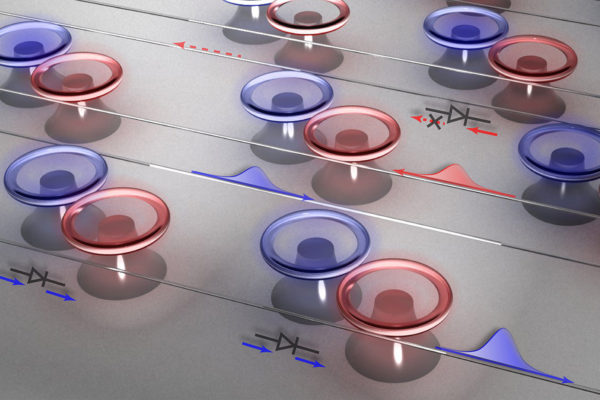
Breaking the laws of science
Lan Yang, the Edwin H. & Florence G. Skinner Professor of Electrical and Systems Engineering in the School of Engineering & Applied Science, is the principal investigator of a four-year, $2 million grant from the National Science Foundation (NSF) in which she will oversee the takedown of two venerable physical laws: time-reversal symmetry and reciprocity.

Student team wins $10,000 for Alzheimer’s diagnostic tool
Memento, an interdisciplinary team of Washington University in St. Louis undergraduate, graduate and medical students, has won $10,000 in a national competition for their mobile app designed to help diagnose Alzheimer’s disease more quickly.

Engineering a better biofuel
The often-maligned E. coli bacteria has powerhouse potential: in the lab, it has the ability to crank out fuels, pharmaceuticals and other useful products at a rapid rate. A team from the School of Engineering & Applied Science at Washington University in St. Louis has discovered a new way to remove a major stumbling block in the process, and boost biofuel production from E. coli.
View More Stories