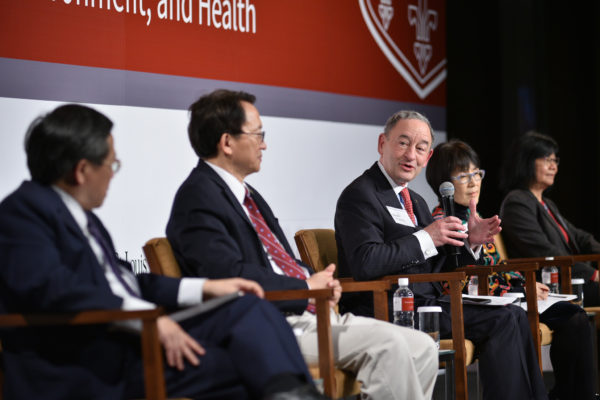
Global collaborations, holistic solutions
In an effort to boost conversation and collaborative options regarding energy choices and their many impacts, Washington University in St. Louis recently held two international forums to address the challenges. The forums also allowed the university to interface with its McDonnell Academy partner institutions.
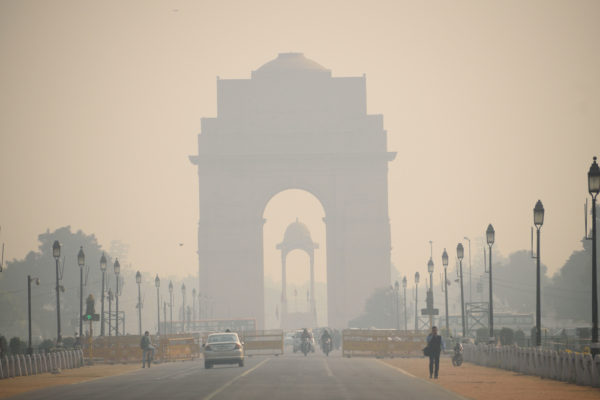
Researchers discover higher environmental impact from cookstove emissions
Millions of Asian families use cookstoves and often fuel them with cheap biofuels to prepare food. But the smoke emitted from these cookstoves has a definite, detrimental environmental impact, particularly in India. New research from Washington University in St. Louis offers a clearer picture of the topic’s true scope.
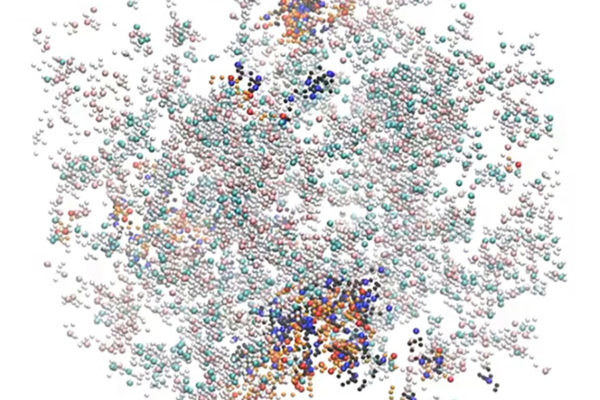
Uncovering the design principles of cellular compartments
Membraneless organelles are tiny droplets inside a single cell, thought to regulate everything from division, to movement, to its very destruction. New research from engineers at Washington University in St. Louis uncovers the principles underlying the formation and organization of membraneless organelles.
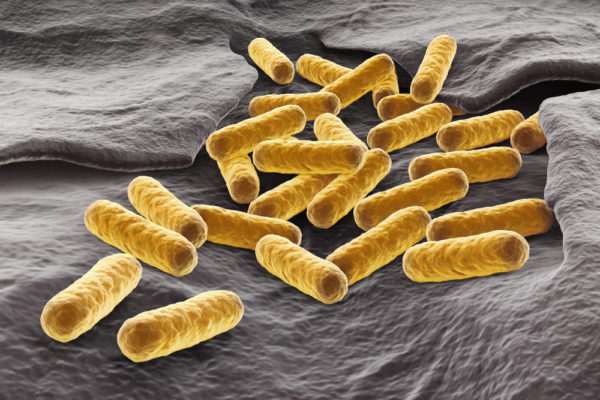
New pathways, better biofuels
New research from an engineer at Washington University in St. Louis stitches together the best bits of several different bacteria–including a virulent pathogen–to synthesize a new biofuel product.
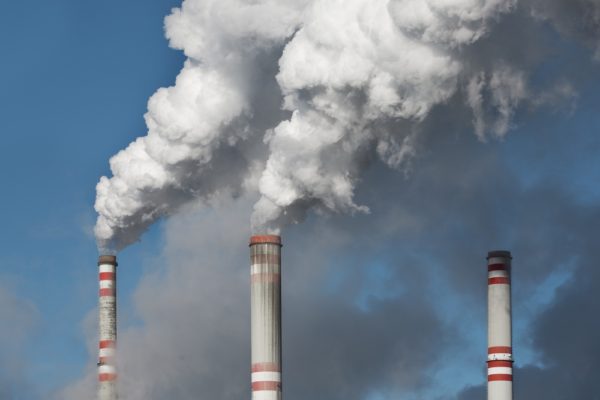
WashU Expert: Energy alliances must be holistic, realistic
In reaction to multiple countries — including Canada, the United Kingdom, France and Italy — announcing at the United Nations climate talks that they’re unifying to phase out coal-generated power by 2030, an environmental engineer at Washington University in St. Louis warned that a “mix of energy sources” is vital for the near future.
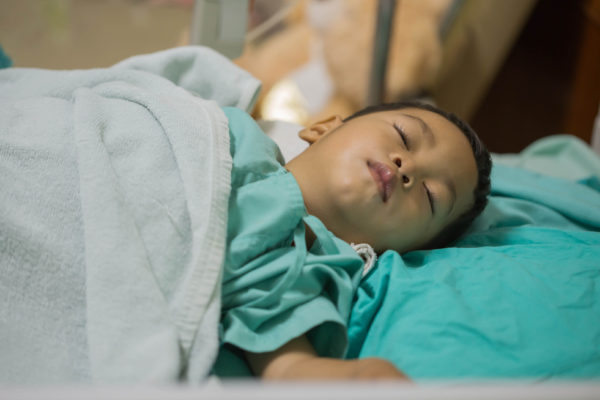
Research team developing new pediatric neuroimaging technology
A team of scientists at Washington University in St. Louis is developing a new way to look inside the brains of the littlest patients — a technique that will provide precise measurements without requiring children to stay perfectly still or the use of ionizing radiation.
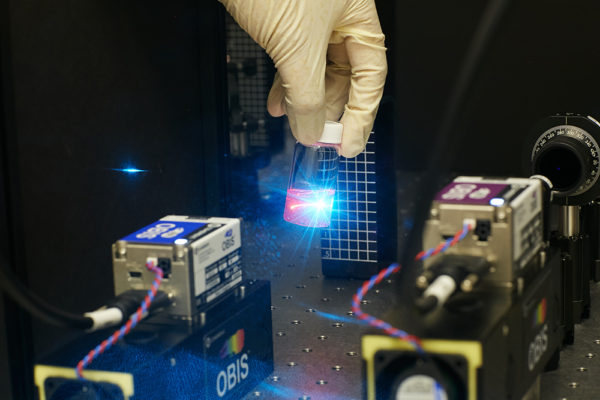
Pushing the imaging envelope
An engineer at Washington University in St. Louis plans to push the envelope of microscopic imaging, to better visualize the molecules involved in Alzheimer’s disease.
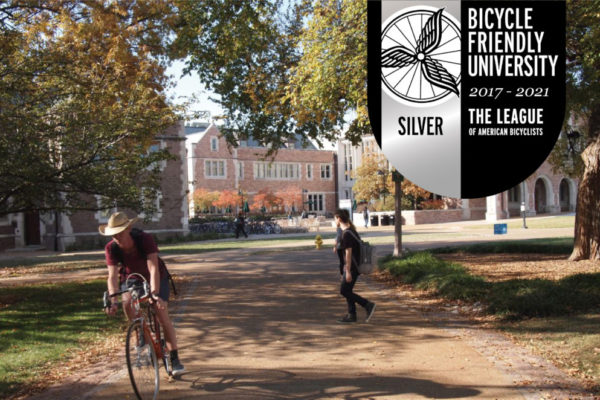
Washington University named a Silver Bicycle Friendly University
The League of American Bicyclists has officially recognized Washington University in St. Louis with a Silver Bicycle Friendly University award, joining 54 other colleges and universities from across the country.
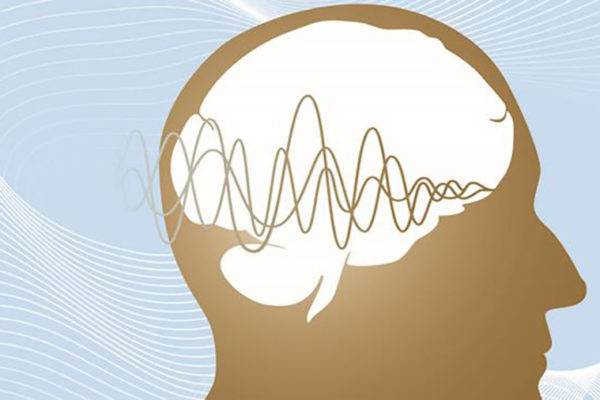
Bear or chipmunk? Engineer finds how brain encodes sounds
When you are out in the woods and hear a cracking sound, your brain needs to process quickly whether the sound is coming from, say, a bear or a chipmunk. In new research published in PLoS Biology, a biomedical engineer at Washington University in St. Louis has a new interpretation for an old observation, debunking an established theory in the process.

Geneoscopy, Strayos win 2017 Global Impact Award
Two new Global Impact Award (GIA) winners recently were selected at Washington University in St. Louis. The $50,000 award will be split evenly between Geneoscopy and Strayos.
View More Stories