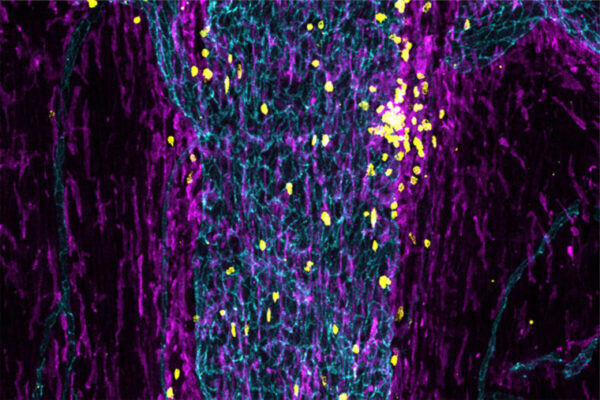
How does the immune system keep tabs on the brain?
Researchers at Washington University School of Medicine have found that immune cells stationed in such sinuses monitor the brain and initiate an immune response if they detect a problem.
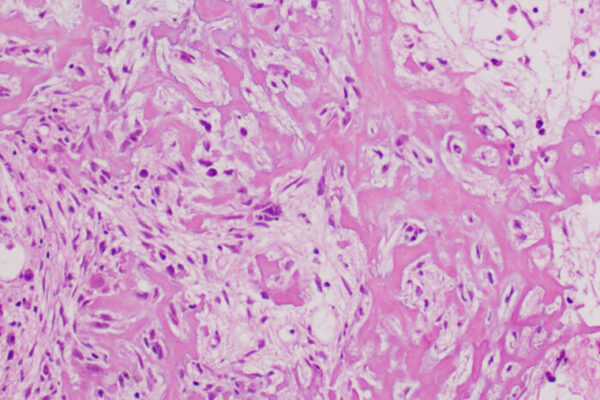
Nixing bone cancer fuel supply offers new treatment approach, mouse study suggests
A new study from Washington University School of Medicine suggests that a two-drug combination targeting a tumor’s energy sources could be as effective and less toxic than methotrexate, a long-used chemotherapy drug often given in high doses to treat osteosarcoma, a bone cancer.

Imaging agent may help gauge kidney health
Researchers at Washington University School of Medicine have developed an imaging agent that could help refine assessments of kidney health, potentially salvaging some otherwise discarded donor kidneys.
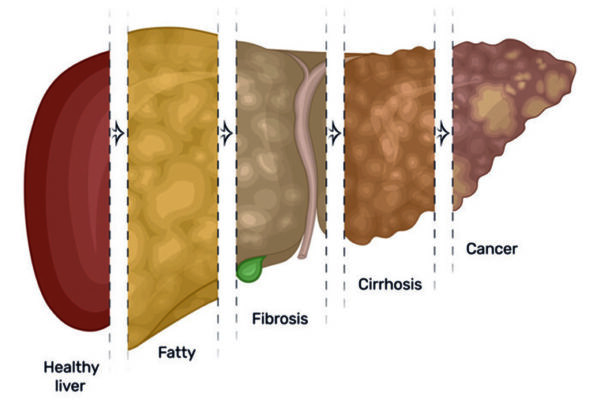
Study reveals links between fatty liver disease, liver cancer
Researchers at Washington University School of Medicine in St. Louis have found that a protein involved in regulating lipid levels in the liver and blood also promotes development and progression of fatty liver disease and liver cancer in mice.
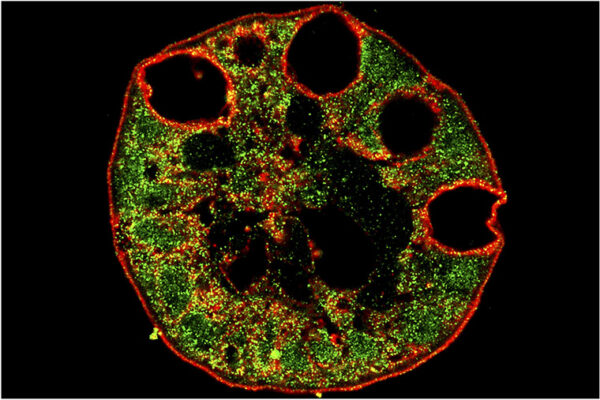
For some, GI tract may be vulnerable to COVID-19 infection
Researchers at Washington University School of Medicine in St. Louis have found that patients with Barrett’s esophagus may be vulnerable to coronavirus infection from what they swallow.
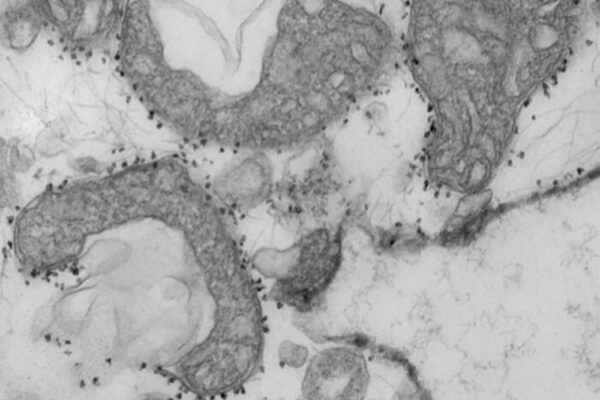
Rapid blood test identifies COVID-19 patients at high risk of severe disease
A new study from Washington University School of Medicine in St. Louis suggests that measuring mitochondrial DNA in the blood of patients with COVID-19 can help predict which patients are at highest risk of severe disease, requiring more intensive care.
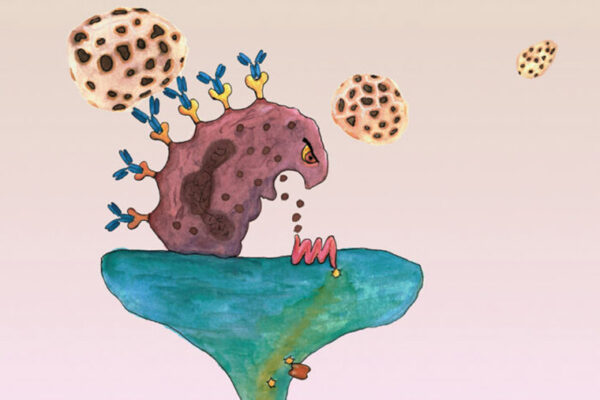
Acute itching in eczema patients linked to environmental allergens
New School of Medicine research indicates that allergens in the environment often are to blame for episodes of acute itch in eczema patients. Researchers found the itch signals are being carried to the brain along a previously unrecognized pathway that current drugs don’t target.
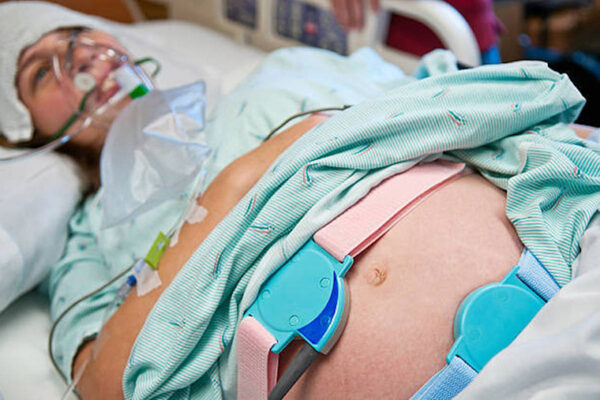
For moms, oxygen during childbirth often unnecessary
Researchers at Washington University School of Medicine have found that there is no benefit in providing supplemental oxygen to mothers during labor and delivery, a decades-long and common practice. Infants born to women who received supplemental oxygen fared no better or no worse than those born to women who had similar labor experiences but breathed room air.
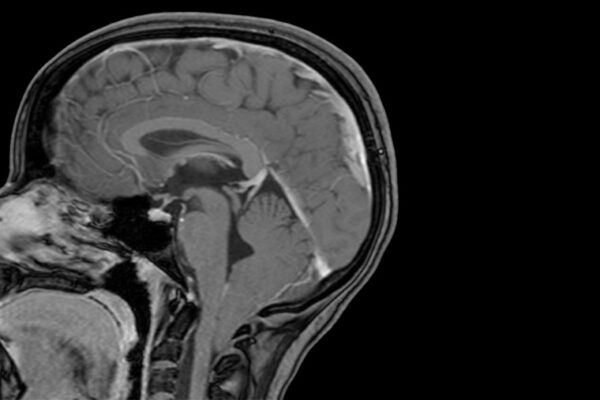
Common brain malformation traced to its genetic roots
Researchers at Washington University School of Medicine have shown that Chiari 1 malformation can be caused by variations in two genes linked to brain development and that children with large heads are at increased risk of developing the condition.
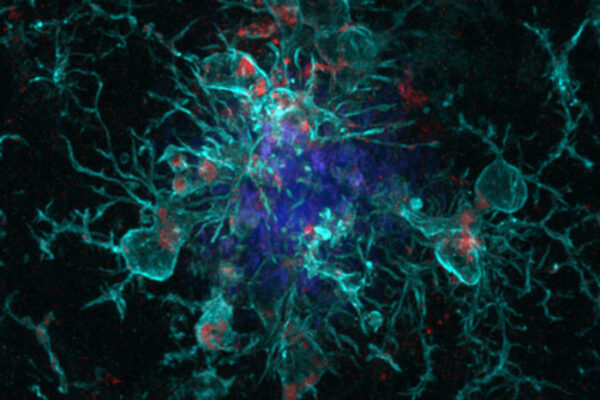
Protein involved in removing Alzheimer’s buildup linked to circadian rhythm
Researchers at Washington University School of Medicine have discovered a protein that links the amyloid-removal process to the circadian clock. The protein, YKL-40, could help explain why people with Alzheimer’s frequently suffer from sleep disturbances — and provide a new target for Alzheimer’s therapies.
View More Stories