
The Record
Friday, May 1, 2026
Top stories
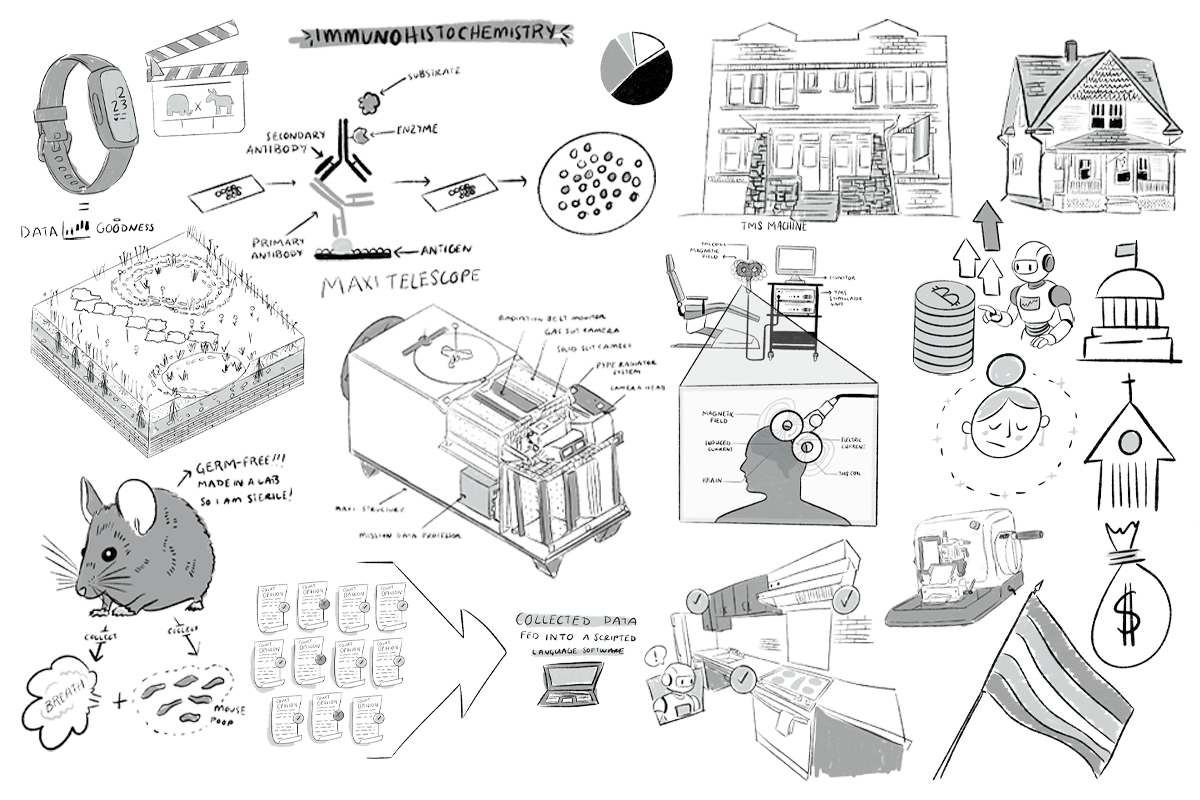
The Class of 2026: Student researchers create knowledge
WashU Class Acts spotlights graduates who have engaged in meaningful research at WashU. They have created knowledge and mastered research skills — especially important at a time of funding cuts and public skepticism.

WashU Expert on SCOTUS decision’s impact on political power
The Supreme Court this week struck down a voting map in Louisiana, creating a path for other states to redraw congressional maps. The result may be disastrous for racial minority political power in the U.S., says WashU Law’s Travis Crum.

WashU, Sodexo partner with Operation Food Search
WashU and Sodexo teamed up to make it easy for students to donate extra meal points to help feed children in the St. Louis area this summer.
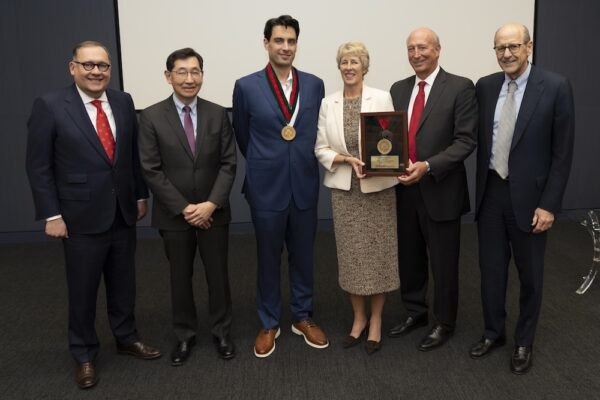
Dosenbach named inaugural Holtzman Professor of Neurology
Nico Dosenbach, MD, PhD, is internationally recognized for his research in precision brain mapping and discovery of the network within the brain that links cognition with movement.
Events
|
MAY 2 |
Kemper Interlude: cello in the galleries2:30–4:30 p.m. Saturday, May 2 |
|
MAY 4 |
Readings, reflections on Larry Ward’s poetryNoon–1:30 p.m. Monday, May 4 |

Social Post of the WeekWell, that was WILD!
|


WashU in the News
Push for raw milk intensifies across the US, despite illness outbreaks and scientists’ warnings
The Associated Press | ABC News
Trump’s NASA administrator wants to bring back Pluto as a planet in our solar system
The Independent (U.K.)
What are the long-term effects of ‘storm fatigue’ and severe weather?
KMOX News radio | Audacy
From Xerox machines to AI, WashU’s Carmon Colangelo mixes old and new technologies in his artwork
st. louis public radio
Campus and community news
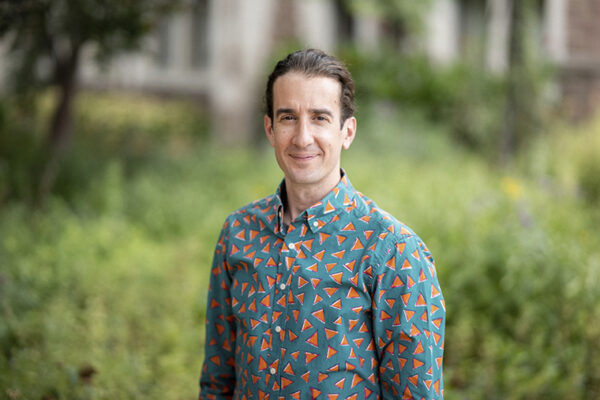
Researchers including WashU’s Keith Hengen have won $2.7 million from the National Institutes of Health (NIH) for a five-year investigation into the power of sleep to prevent, delay and diminish Alzheimer’s and other neurodegenerative diseases.
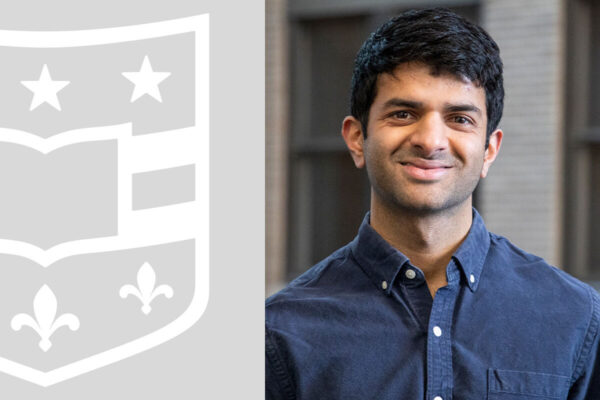
WashU Medicine researchers led by Ryan Raut show that it’s possible to accurately predict the state of brain activity by tracking variations in an animal’s pupil dilation, suggesting that brain circuits are more dynamic than we thought.
|
Who Knew WashU? Question: As St. Louis approaches the one-year anniversary of the devastating tornado, a WashU Public Exchange project is working to support our neighbors. What’s the group doing? Answer: A) The project, CLEAN STL, is working to test soil and air in homes and parks for contamination from tornado debris. Learn more online. Congrats to this week’s winner, Dena O’Brien, a staff member at Siteman Cancer Center in St. Peters, who will receive an “I Knew WashU” prize! |