It can be lonely at the top of any organization. The lack of peer support, combined with the unique pressures and responsibilities, can leave business leaders feeling isolated and lonely.
The Center for Experiential Learning at Olin Business School is aiming to change that — training students to be effective leaders and providing essential support along the way by partnering with Olin’s Bauer Leadership Center.
“Leadership in the Trenches,” a one-and-a-half-credit class, is offered to CEL practicum leaders and provides students with formal classroom instruction, personalized, one-on-one ICF (International Coaching Federation) leadership coaching and the opportunity to share their experiences and challenges with peers.
“One of the common misconceptions about leadership is that it’s a skill that you only get through experience,” says Erik Dane, professor of organizational behavior at Olin and the course instructor. “In reality, leadership is a skill that you have to develop and work on just like any other skill. Classroom work, working with a coach and individual reflection are all good ways to develop this skill set.”
Real-world experience
The Center for Experiential Learning (CEL) provides graduate and undergraduate students from across campus the opportunity to learn valuable business skills while working on real-world projects.
“In reality, leadership is a skill that you have to develop and work on just like any other skill. Classroom work, working with a coach and individual reflection are all good ways to develop this skill set.”
Erik Dane
The practicum program — one of the CEL’s core offerings — is a 14-week, team-based consulting project. Working in groups of four-to-six students, participants are immersed in real-world critical thinking and problem-solving for corporate and nonprofit companies of every size and sector.
Guided by Olin faculty, student teams work closely with organizations to understand the unique challenges local companies face. Past clients have included Laughing Bear Bakery in the Tower Grove South neighborhood and a local startup called Carma that connects vehicle owners with quality repair shops. Through in-depth research and analysis, the teams deliver practical, strategic recommendations and insights that can be immediately applied to address the businesses’ needs.
Practicum team leaders are responsible for managing, organizing and motivating team members. They also manage the client relationship and work directly with the faculty advisor and the CEL. It’s a big job. For many student leaders, it’s also their first formal leadership role.
Overcoming challenges together
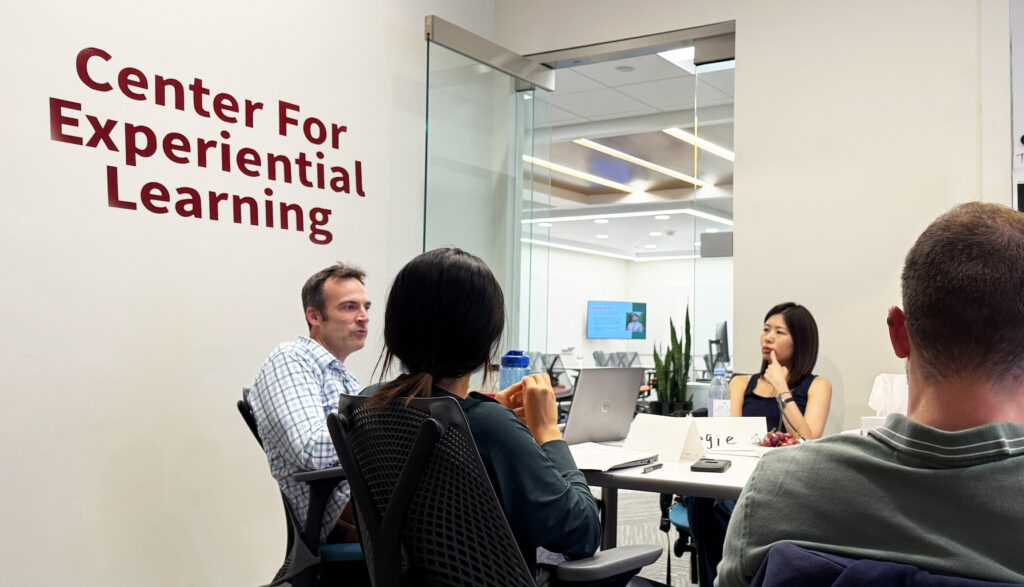
One night in October, eight student leaders of the fall 2025 “Leadership in the Trenches” course gathered around a conference room table for their third and final session. Through their conversations, some common themes emerged.
Unlike previous semesters, when team dynamics might have been the overriding issue, students leaders expressed frustration with clients who did not supply needed data in a timely fashion or put up roadblocks to their work. The group discussed possible workarounds: were there other sources for the data needed in these projects? They also discussed why the client may be slow to respond. Could it be a lack of trust or concerns about confidentiality/privacy?
In another example, Aisha Oduola, an MBA student, said her group solicited input from a client to interpret the data they received, which Dane said was a good, strategic move. Not only was it smart to use the client’s expertise and knowledge of their business to interpret the data, but this could also help build trust with the client, he told the group.
Preparing tomorrow’s leaders
Later in the evening, the conversation turned to giving and receiving feedback, and the reactions student leaders may encounter when giving feedback. The group also discussed the Bauer Leadership Competency Model and conducted self-assessments to diagnose their own strengths and weaknesses.
Through his role as a group leader, Gabriel Theodoro, an MBA student, says he’s become more comfortable speaking with a group.
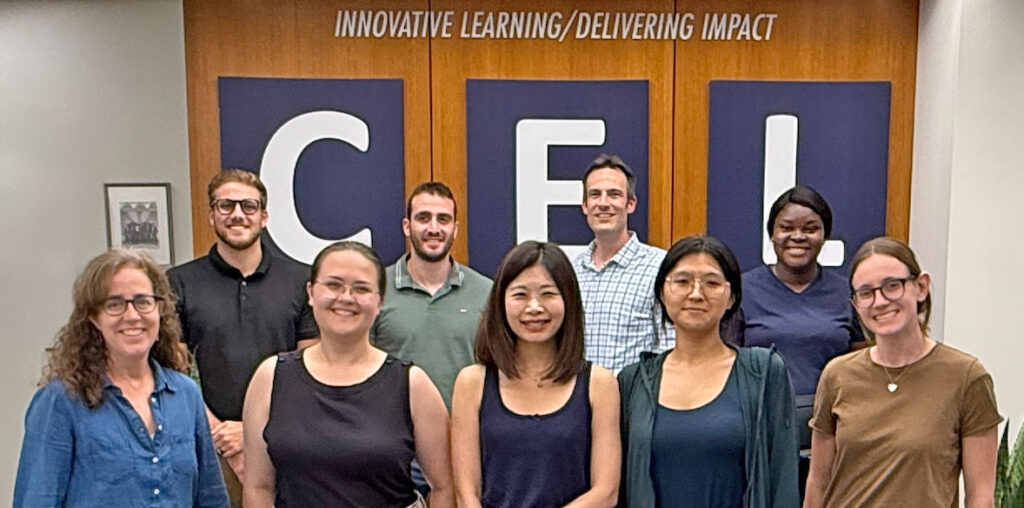
“One of the things that I discovered about myself as a leader is that I try to lighten the mood when things are tense,” Theodoro says. “I’m typically shy and prefer to avoid difficult conversations, but being a group leader has forced me to get out of his comfort zone and to develop as a leader.”
“There are always going to be frustrations, but that’s where the growth comes from. That’s what you’ll remember.”
Erik Dane
Not all group leaders have dreams of becoming managers or even working in business after graduation. That’s the case for Heather Elaine Anderson, a senior majoring in drama and anthropology. She signed up for the CEL practicum after receiving an email from Tim Solberg, academic director of Olin’s Business of the Arts program. Coincidentally, Anderson had spent her summer interning for the client — the St. Louis Shakespeare Festival — which is how she found herself volunteering to be the group leader.
“I realized that I haven’t always been able to see myself as the person in charge, making unilateral choices,” she says. “Through this experience, I’ve had to learn how to be assertive and comfortable in this role, and to balance that with being collaborative. I’ve also discovered that I love helping people working toward a vision or long-term goal.”
Dane tells the students as the night wraps up that leadership can be challenging — it comes with a lot of responsibility and accountability. But it also has its rewards, he says.
“There are always going to be frustrations, but that’s where the growth comes from. That’s what you’ll remember,” Dane says. “There’s a reason why WashU is doubling down on leadership,” he adds. “More than ever, leadership skills are critical.”