
The Record
Wednesday, Oct. 7, 2026
Top stories
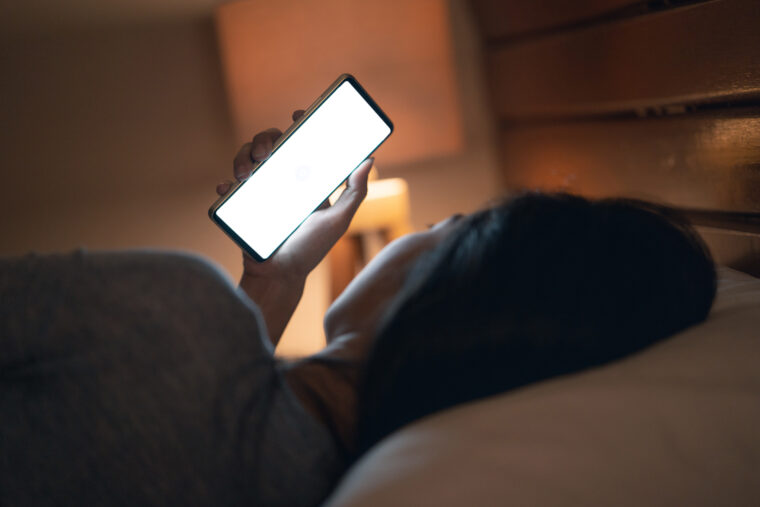
How technology is reshaping violence, and what can be done
WashU Bursky Public Health researchers examine how digital technology and generative AI are changing violence — and how decades of research can help shape effective responses.
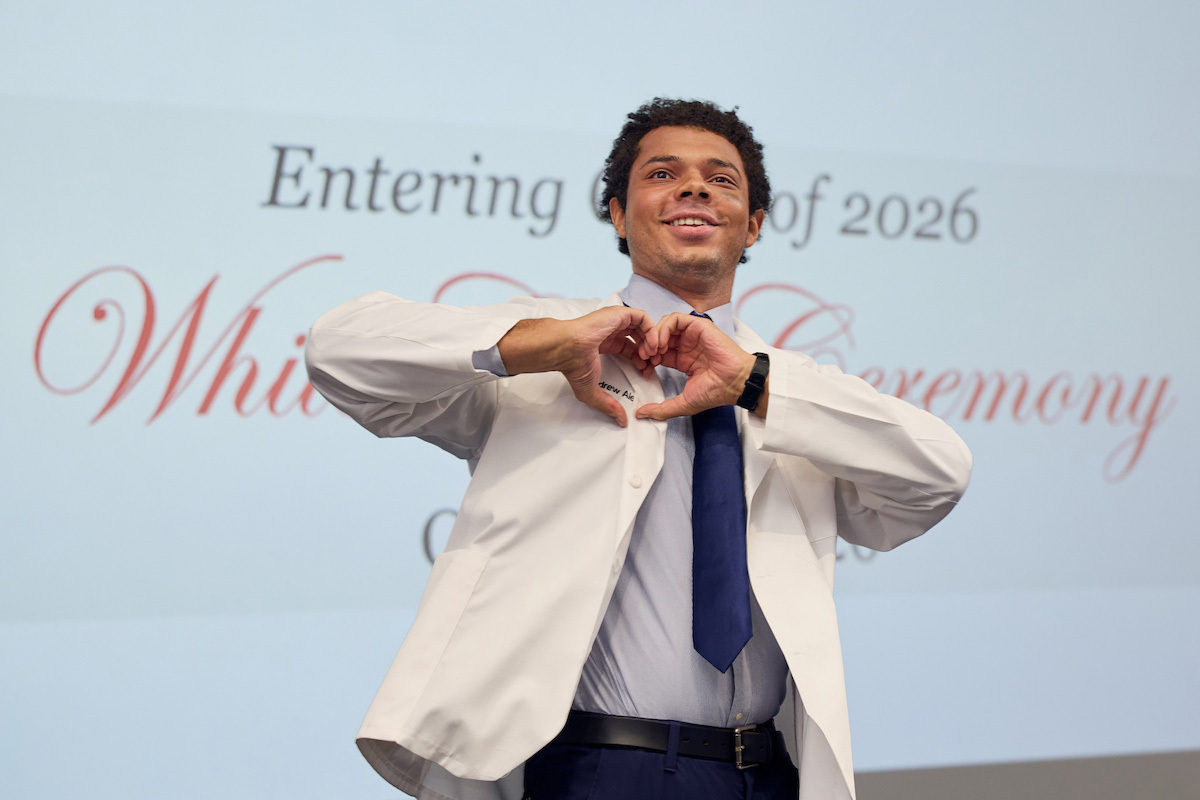
‘It’s up to us to be advocates, healers, make connections’
First-year WashU Medicine MD and MD/PhD students received their white coats at a ceremony Oct. 2. Other ceremonies recognized incoming students studying physical therapy, occupational therapy and audiology.

Illustrator Mary Engelbreit donates collection to WashU Libraries
Beloved illustrator Mary Engelbreit has donated 120 original illustrations and related materials to WashU Libraries. The collection highlights her whimsical style, business acumen and activism. A public exhibition is planned for July.

WashU Expert on how book bans limit children’s understanding
Book bans erase more than stories. They can erase histories and threaten students’ identities, says the Brown School’s Sheretta Butler-Barnes.
Events
|
OCT 7 |
‘Live Like a Citizen’ with Eric Liu7–8:30 p.m. Wednesday, Oct. 7 |
|
OCT 8 |
Enola Proctor Lecture: Beth McGinty on policy implementation research9–10:30 a.m. Thursday, Oct. 8 |
|
OCT 8 |
Gaylyn Studlar Lecture: Samantha Noelle Sheppard on ‘Was she seeking cinema?’4 p.m. Thursday, Oct. 8 |
WashU in the News
Trump Accounts’ extraordinary expansion puts individual stocks into kids’ holdings
The wall street journal
Opinion: The ‘God gap’ is narrowing in Texas
The New York Times
Kelvin wave incoming: Why the US should care
Straight Arrow News
Concerns about Flock continue in Missouri, despite governor’s order
St. Louis Magazine
Campus and community news
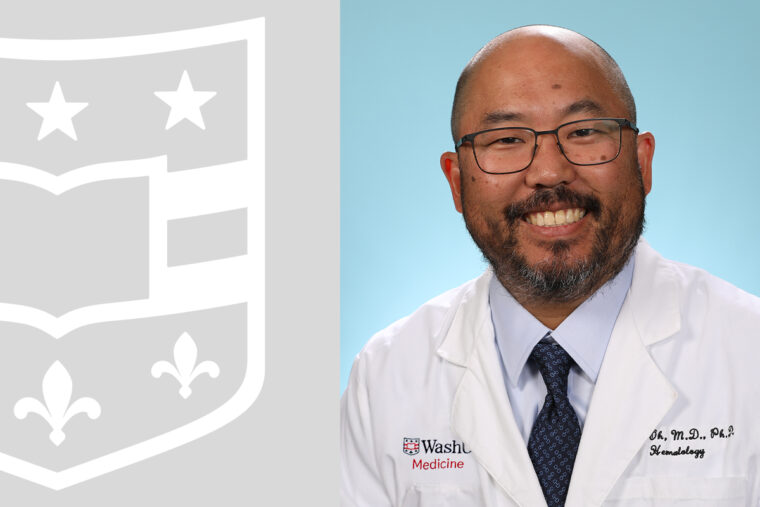
WashU Medicine researchers led by Stephen Oh, MD, PhD, have identified a promising approach to treat myeloproliferative neoplasms, a group of chronic blood cancers, by interfering with a protein that drives inflammation.
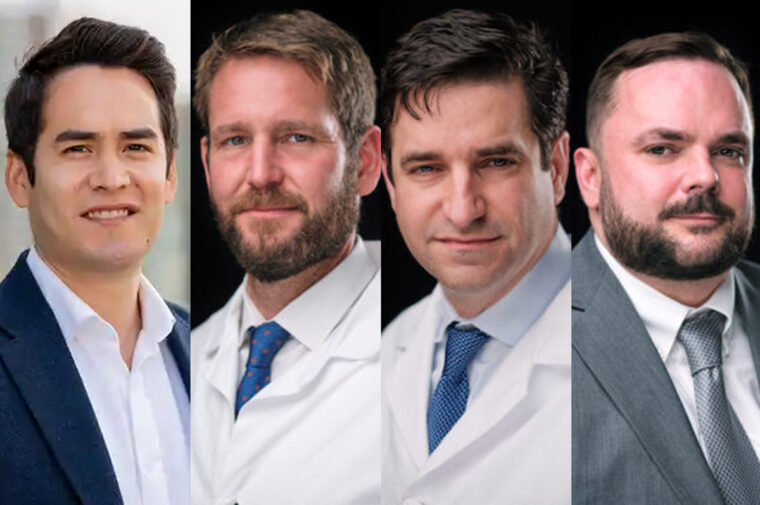
Biomedical engineer Ismael Seáñez (left), and collaborators from WashU Medicine, will study the effects of delivering transcutaneous spinal cord stimulation only when a person intends to move with funding from the Craig S. Neilsen Foundation.