
The Record
Friday, Feb. 27, 2026
Top stories
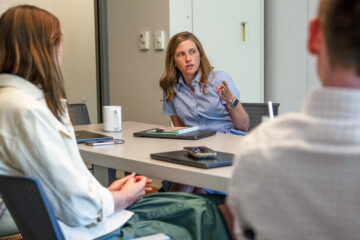
Centering children’s voices in health research
WashU public health researcher Sara Malone, collaborating with international pediatric scientists, urges fellow researchers to include qualitative approaches in their work to reveal how children experience care — and why it succeeds or fails.

New WashU Medicine program to train data specialists
The master’s program in biomedical data science and artificial intelligence is one of few such programs in the U.S. It offers a flexible curriculum, part-time enrollment and evening classes to accommodate working students.
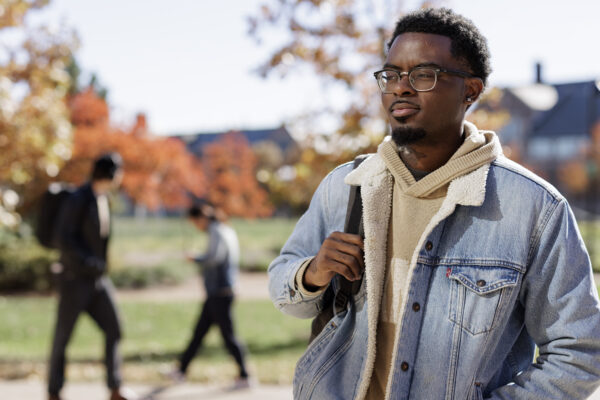
Defying gravity
WashU student Jordan Hughes, a junior in Arts & Sciences, has had a remarkable journey to reach this point, including surviving a driveby shooting as a child. Learn more about his talents, perseverance and future aspirations.
Events
|
FEB 27 |
‘Looking Back Toward the Future’ panel discussion, exhibit opening5:30 p.m. Friday, Feb. 27 |
|
FEB 28 |
WashU men’s basketball vs. University of Chicago1 p.m. Saturday, Feb. 28 |
|
FEB 28 |
Jali: African Students Association Fashion Show7 p.m. Saturday, Feb. 28 |
WashU in the News
Heart disease and stroke projected to rise significantly in women in the next 25 years
NBC News
New ADHD research challenges former assumptions; why it matters
Education Week
WashU to absorb St. Louis College of Pharmacy, open new school
St. Louis post-dispatch
WashU artists use music to amplify the climate change conversation
St. louis public radio
Campus and community news
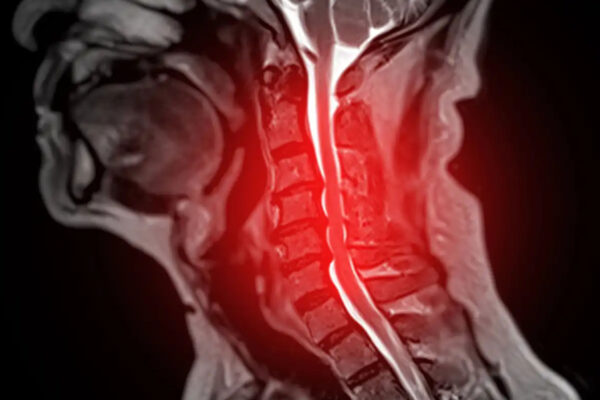
A mutlidisciplinary team of machine learning researchers at WashU used artificial intelligence to help with early detection of spinal cord disease.

WashU has been named to the National Academy of Inventors’ Top 100 Worldwide Universities granted U.S. utility patents in 2025. The university is #49 on the list, with 70 total patents.
Perspectives
Genetic testing for cancer is becoming more common
Graham A. Colditz, MD, DrPH, at WashU Medicine, writes an article about advances in genetic testing for cancer risk and how knowing your risk levels can help guide prevention and health efforts.
the st. louis american